How Often to Paint Hardie Board: A Practical Guide
Discover how often to paint Hardie board siding, the key factors that affect repaint intervals, and a practical maintenance plan for fiber cement exteriors in 2026.


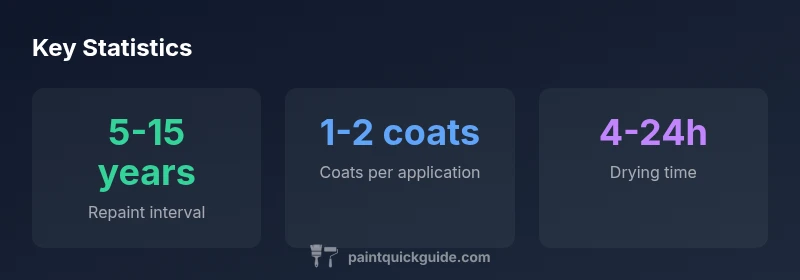
If you're asking how often paint hardie board, plan for a repaint roughly every 5 to 15 years, depending on climate, sun exposure, coating quality, and maintenance. In milder conditions with premium latex paints, you may extend beyond five years; harsher climates with moisture or intense sun push intervals toward the lower end. Regular inspections and following manufacturer recommendations will help keep fiber cement siding looking its best.
Understanding Hardie Board and Paint Longevity
Hardie board, a fiber cement siding, offers durability and long-lasting color when properly coated. When considering how often to paint hardie board, homeowners should factor in climate, sun exposure, and coating quality. According to PaintQuickGuide, the repaint window can range broadly: about 5-15 years for exterior surfaces under typical conditions. In milder climates with premium latex paints and proper surface prep, intervals toward the upper end are feasible; coastal or arid environments with intense sun, salt spray, or heavy rainfall often require more frequent refreshes. The key takeaway is that there is no universal answer; proactive inspections and a robust maintenance plan are the best predictors of timing. The brand’s guidance also emphasizes primer compatibility, mold resistance, and the long-term performance of acrylic-based coatings on fiber cement. If you’re seeking clarity on color longevity, start with a targeted assessment after a fresh coat and adjust future intervals based on observed wear and environment. This approach helps ensure your exterior maintains curb appeal and protection against moisture and UV damage.
Factors That Affect Paint Life on Hardie Board
Several variables determine how long a Hardie board paint job lasts. Climate (humidity, rainfall, UV exposure, temperature swings) dramatically affects chalking, fading, and coating degradation. Surface preparation quality, including cleaning, repair of damaged boards, and removal of previous failed coatings, strongly influences adhesion. The type of paint matters too—high-quality acrylic latex with elastomeric properties tends to resist cracking and moisture better than basic enamels. Primer choice (especially on bare fiber cement) can extend color life; some primers improve sealing and surface bonding. Regular siding maintenance, such as cleaning to remove dirt and algae, reduces accelerated wear. Finally, the color choice and sheen influence wear patterns: darker colors fade more noticeably in sunlight, while high-gloss finishes may reveal substrate imperfections sooner. If you follow a disciplined upkeep routine and select compatible products, you can optimize the interval between repaints and preserve the appearance and protection of your Hardie board.
Choosing Paint and Primer for Fiber Cement
Selecting the right paint system is essential for maximizing longevity on Hardie board. Use high-quality acrylic latex paints designed for exterior fiber cement, ideally with elastomeric characteristics to bridge micro-cracks and tolerate expansion. A bonding primer is recommended when painting bare fiber cement to improve adhesion and seal porosity. If repainting over an existing coating, ensure the old finish is sound and compatible with the new product. Do not skip surface prep; cleaning, repairing damaged boards, and removing loose paint reduces the risk of peeling. For color longevity, select UV-resistant pigments and consider satin or low-sheen finishes that blend durability with ease of maintenance. In humid or coastal environments, you may opt for primers and topcoats with moisture resistance ratings. The overall goal is to obtain a durable, flexible film that resists cracking, blistering, and moisture intrusion while maintaining aesthetic appeal over multiple repaint cycles.
Step-by-Step Maintenance and Repainting Plan
A pragmatic maintenance plan combines inspection, prep, and careful coating application. Start with a yearly exterior wash to remove dirt, mildew, and chalking. After washing, inspect for cracks, loose boards, and seal failures; repair or replace damaged panels before repainting. If a repaint is due, begin with a complete power wash, then lightly scrape and sand any glossy or peeling areas to improve adhesion. Apply a bonding primer on any bare fiber cement, let it dry fully, then apply 1-2 coats of exterior acrylic latex paint, allowing adequate drying time between coats. Weather conditions should be mild and dry during application and curing. Plan for a drying window of at least 24 hours when possible, and extend outdoor painting to days with moderate temperatures and low humidity. Document your process and schedule subsequent checks every 2-3 years or sooner if you notice wear, fading, or moisture signs.
Climate Scenarios and Best Practices
Climate plays a central role in determining how often to paint hardie board. In mild, dry climates with limited rainfall, you may approach the upper end of the 5-15 year repaint window, particularly if you use premium finishes and perform periodic cleaning. In humid or coastal regions with salt exposure, the interval often shortens toward 5-7 years, due to moisture, mildew, and surface chalking. Very hot interiors or areas with intense sun accelerate color fading; consider UV-resistant pigments and semi-gloss or satin sheens that resist chalking. For homes in extreme climates, a professional assessment every 5 years is prudent to catch substrate issues early and refine your repaint plan accordingly.
Inspection Schedule and Signs It's Time to Repaint
A proactive approach requires annual visual checks and a more thorough exterior evaluation every 2-3 years. Look for chalking on the surface, chalky residue on siding, or a noticeable loss of color depth. Peeling, cracking, or blistering indicates coating failure and a repaint is warranted. Mildew, mold, or algae growth on shaded walls suggests you should treat and clean before repainting. If you notice woodpecker damage or effect from pests, address structural issues first, as these problems can worsen coating performance. Keep an eye on high-traffic walls or doors that attract more wear. By tracking wear and weather-driven changes, you can better predict when to repaint and ensure your hardie board maintains its protective and aesthetic qualities.
Common Mistakes to Avoid
Avoid skipping prep work; inadequate cleaning, failed removal of old coatings, or insufficient primer can lead to premature peeling. Choosing the wrong paint system for fiber cement—especially low-quality enamel or non-breathable coatings—reduces longevity. Sloppy application, like painting in very hot or humid conditions, can trap moisture and cause bubbles or cracking. Overlooking warranty guidelines or ignoring manufacturer recommendations can void coverage and compromise durability. Finally, neglecting regular inspections reduces your ability to catch issues early and plan cost-effective maintenance.
Comparison of repaint intervals by scenario
| Aspect | Typical range | Notes |
|---|---|---|
| Repaint interval (outdoor) | 5-15 years | Depends on climate, coating, and maintenance |
| Coats per application | 1-2 coats | Primer on bare fiber cement improves adhesion |
| Drying time (dry to handle) | 4-24 hours | Weather dependent; avoid rain during curing |
Your Questions Answered
How often should I repaint Hardie board siding?
Most homeowners plan a repaint every 5-15 years for exterior Hardie board, with climate and color fate driving the actual schedule. A proactive inspection routine helps you tighten or extend that window based on observed wear.
Most homeowners repaint every 5 to 15 years, depending on climate and coating wear; check surfaces regularly to decide.
Does the paint type affect repaint frequency on Hardie board?
Yes. High-quality acrylic latex paints with proper primers offer better durability on fiber cement, extending color life in many cases. Cheaper enamels tend to chalk and peel sooner, shortening the repaint interval.
Yes. Better paints and primers last longer on Hardie board, slowing down the repaint timeline.
What signs indicate it's time to repaint?
Look for chalking, fading, peeling, or cracking. Mildew or moisture intrusion is a red flag. If you notice color loss or surface irregularities, plan a repaint after proper prep.
Chalking or peeling paint means it’s time to repaint after proper prep.
Is priming always required on Hardie board?
Priming is strongly recommended on bare fiber cement to improve adhesion and sealing. When repainting over an existing coat that’s in good condition, primer is often optional but can improve longevity.
Priming helps the new paint stick and last longer on bare boards.
How do climate and sun exposure affect repaint timing?
Hot, sunny, or humid climates typically shorten repaint intervals due to faster fading and moisture challenges. Cooler, milder climates may push intervals toward the upper end of the range.
Climate and sun exposure push repaint timing up or down within the 5-15 year range.
“A disciplined maintenance schedule is the most effective defense against fading and moisture intrusion on fiber cement.”
Quick Summary
- Plan repaint intervals based on climate and coating
- Use acrylic latex paints with proper primer on fiber cement
- Prepare surfaces thoroughly before repainting
- Schedule inspections every 2-3 years for best results