Do You Need to Paint Hardie Board? A Practical Guide
Learn whether you must paint Hardie board siding, plus prep, primers, paints, and step-by-step guidance for a durable exterior finish.


According to PaintQuickGuide, you typically paint Hardie board exterior siding unless the product is factory-painted. Painting protects the fiber cement, seals joints, and preserves color, while letting you refresh curb appeal over time. For new installs, priming is essential; factory-painted boards may not require immediate repainting but still benefit from a fresh topcoat. The PaintQuickGuide Team emphasizes proper prep and a durable exterior finish for longevity.
Do you need to paint Hardie board? What the rule of thumb says
Deciding whether to paint Hardie board siding starts with understanding the product and your goals. Factory-painted boards may already carry color that lasts several years, but weathering, sun exposure, and moisture will eventually require a refresh. For most homeowners, painting is part of routine exterior maintenance, not a one-time decision. The PaintQuickGuide Team notes that proper prep, compatible primers, and durable exterior paint are the keys to long-lasting color. If you’re starting a new project, plan for priming and at least one topcoat; if you’re refreshing an older surface, cleaning and resealing with fresh paint will improve appearance and protect the boards from moisture. In short, yes—paint is usually part of keeping Hardie board looking good—and the exact approach depends on your siding’s current finish and local climate.
Factory-painted Hardie board vs unpainted
Hardie board is available in two broad finish types: factory-painted and unpainted (or primed only). Factory-painted siding comes with color baked into a durable finish, which can reduce prep time and give you faster results. However, factory coats can fade or chip over time, especially in harsh sun or coastal conditions, so you should expect repaints on schedule. Unpainted or primed boards, by contrast, require a full prep sequence—cleaning, sanding, priming, and several coats of exterior paint—to achieve a lasting, even look. In either case, choose a high-quality exterior acrylic latex system and follow the manufacturer’s recommendations for curing times and recoat windows. PaintQuickGuide guidance suggests verifying the current finish before planning maintenance.
Surface prep for painting Hardie board
Preparation is the most important step in a long-lasting paint job. Begin by removing dirt, chalk, and loose edges with a stiff brush or power washer on a gentle setting. Allow the surface to dry completely before priming; fiber cement should be dry to touch before applying primer, which can take 24 hours or more depending on weather. Inspect for cracks or damage, and repair with a compatible caulk or filler. Sand rough areas lightly to create a tooth for the new paint, but avoid deep gouges that telegraph through the finish. After cleaning and repairs, wipe the surface with a damp rag and let it dry again before priming.
Priming and choosing primers
Priming is essential on bare or heavily weathered fiber cement. Use a bonding primer designed for glossy or dense surfaces, then apply a high-quality exterior acrylic latex primer if you will be applying light or bright colors. If you’re painting over a factory-painted surface, you may be able to skip priming in some cases, but a light scuff and a compatible primer will improve adhesion and color uniformity. Always follow the primer’s cure time before applying paint. The right primer helps block tannins and resin migration and creates a uniform base for two or more coats.
Paint types and finish options for fiber cement
Choose an exterior acrylic latex paint labeled for fiber cement or masonry. These paints resist cracking and peeling better on hard surfaces than interior grades. For most homes, a satin or eggshell finish offers a balanced look and easy maintenance; a higher-sheen paint may look sharper but can show imperfections more easily. Two coats are commonly recommended to achieve even color and durability, with a final coat sealed for UV resistance. Check color-fastness tests and ensure the product is compatible with the primer you used. Your color choice affects aesthetics, heat absorption, and fading rates over time.
Application steps: masking to finish
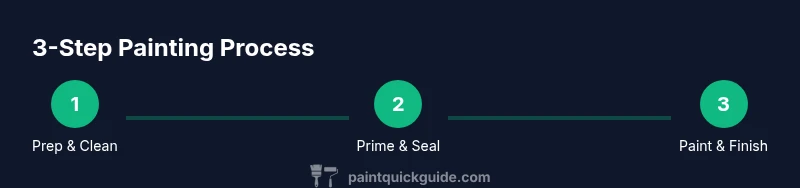
Follow a clear, step-by-step process to ensure even coverage and long life. Start by masking windows, trim, and landscaping; protect porous textures with drop cloths. Apply primer where required, then immediately apply the first coat of exterior paint using long, even strokes to minimize lap marks. Allow appropriate drying times between coats—temperatures outside the recommended range can increase cure times. Apply a second coat for depth and coverage, then inspect for missed spots and touch up promptly. Always work in dry, mild weather and avoid painting in direct sunlight or high humidity.
Maintenance, cleaning, and repaint intervals
A well-executed paint job on Hardie board will last several years, depending on climate and exposure. Routine cleaning with a soft brush and mild detergent prevents dirt buildup that can trap moisture and degrade color. Inspect annually for cracks, caulking gaps, and peeling edges, and address issues promptly to prevent water intrusion. When you notice fading or cracking, plan a repaint in a mild weather window rather than waiting for a peak sun. With proper maintenance, you’ll preserve your siding’s appearance and protection, and you’ll avoid costly repairs caused by moisture intrusion.
Cost considerations and timing
Material costs for exterior fiber cement paint systems fall into a mid-range category, while labor varies with climate, project size, and crew efficiency. A typical plan should include surface prep, priming, and at least two coats of paint, plus caulking and minor repairs. If your siding spans a large area or has intricate details, budget more time for masking and cleanup. The exact costs depend on paint quality, color choices, and access, but a well-executed job yields durable results that extend the life of your Hardie board. Plan for seasonal scheduling and permits if required by your region.
Tools & Materials
- Exterior acrylic latex primer(Bonding primer for bare fiber cement or unprimed surfaces)
- Exterior acrylic latex paint(2 coats recommended; choose color and finish)
- Caulk (paintable exterior)(For joints and gaps)
- Caulking gun(For applying sealant)
- Painter's tape(For clean edges)
- Drop cloths/plastic sheeting(Protect plants and surfaces)
- Stiff-bristled brush(For cleaning and prep)
- Roller frame with 3/8-inch nap roller(For even exterior coverage)
- Paint trays(For holding paint during application)
- Sandpaper (120–220 grit)(Lightly scuff bare areas)
- Power washer or garden hose(Gentle setting to clean surface)
- Respirator or dust mask(Protect from dust and fumes)
- Ladder or scaffolding(Safe access to siding)
- Mild detergent/degreaSer(For cleaning if needed)
Steps
Estimated time: Estimated total time: 1-2 days (depending on climate, area size, and drying times)
- 1
Prepare the area and protect surroundings
Clear the project area, cover plants and assets with drop cloths, and lay masking tape along windows and trim. This protects nearby surfaces from splashes and makes cleanup easier. Have your tools ready to maintain a smooth workflow.
Tip: Pro tip: Use masking paper or extra plastic to shield vents and outlets close to the work zone. - 2
Clean and inspect the siding
Power wash or scrub to remove dirt, mildew, and chalk. Let the siding dry completely before priming. Inspect for cracks, bulges, or damaged boards and note where repairs are needed.
Tip: Pro tip: Check moisture levels with a simple touch test—if it feels damp, wait longer before proceeding. - 3
Repair and caulk as needed
Fill cracks and gaps with compatible filler, then caulk seams between panels and around windows. Allow filler and caulk to cure fully before painting.
Tip: Pro tip: Use painter’s caulk with good UV resistance to prevent early cracking. - 4
Prime bare or repaired areas
Apply a bonding primer to bare fiber cement or repaired sections. If the entire surface is already primed, you may skip priming but ensure good adhesion before painting.
Tip: Pro tip: Lightly scuff glossy surfaces before priming to improve adhesion. - 5
Apply the first coat of paint
Roll or brush on the first coat using smooth, even strokes in long passes to reduce lap marks. Work in small sections and maintain a wet edge to avoid color inconsistencies.
Tip: Pro tip: Start at the bottom and work upward to catch drips as you go. - 6
Apply a second coat and finish inspection
After the first coat dries, apply a second coat for depth and even color. Inspect for missed spots and touch up as needed. Ensure all edges are uniform and protected from moisture ingress.
Tip: Pro tip: Don’t rush to coat; verify cure times between coats for best adhesion.
Your Questions Answered
Do I need to prime before painting Hardie board?
Yes. Prime bare or repaired fiber cement surfaces to ensure adhesion and uniform color. If the surface is already primed or painted, you may be able to proceed with minimal prep, but scuffing and a compatible primer can improve results.
Yes. Prime bare or repaired fiber cement surfaces to ensure adhesion and color uniformity.
Can you paint over factory-painted Hardie board without priming?
If the existing paint is sound and you’ve cleaned and lightly scuffed the surface, you may repaint without priming. For best results, follow the manufacturer’s recommendations and consider a light primer if adhesion or color shift is a concern.
If the existing paint is sound, you can repaint with proper cleaning and light scuffing; priming may still help with adhesion.
What paints are best for fiber cement siding?
Exterior acrylic latex paints labeled for fiber cement or masonry are recommended for durability and flexibility. They resist cracking and peeling better than interior paints, especially when paired with a proper primer.
Exterior acrylic latex paints, labeled for fiber cement, are best for durability and adhesion.
How long does painting Hardie board typically take?
Project duration varies with area size and weather. Plan for prep, priming, and two coats, plus drying time between steps. A smaller home may take a couple of days, while larger jobs or challenging depths could stretch longer.
Time varies, but expect a few days for prep, coats, and drying; larger areas take longer.
Are there safety considerations when cutting or sanding fiber cement?
Yes. Always wear a respirator, eye protection, and protective clothing. Use wet-cut methods when possible and avoid creating silica dust; follow local regulations for dust management.
Yes—protect yourself with a respirator and goggles, and use wet-cut methods when feasible.
Should I hire a pro or DIY the Hardie board paint job?
DIY is feasible for smaller areas or color refreshes, but a professional ensures proper prep, coating thickness, and even finish on large or complex exteriors. Consider experience, accessibility, and safety when deciding.
DIY can work for small jobs, but pros handle prep, coating, and tough areas for a consistent finish.
Watch Video
Quick Summary
- Confirm factory finish or bare surface before painting.
- Prep thoroughly: clean, dry, and repair to ensure adhesion.
- Use compatible primer and exterior acrylic latex paint with two coats.
- Paint in mild weather for best cure and color depth.
- Maintain and inspect regularly to extend Hardie board life.