Sip N Paint Studio: Step-by-Step Launch Guide
Learn how to start and grow a sip n paint studio with practical tips on space, safety, supplies, pricing, and marketing to launch engaging painting nights. This PaintQuickGuide primer covers setup, session formats, and guest experience for a thriving studio.


You’ll learn how to set up and manage a sip n paint studio: select a suitable space, source affordable supplies, structure session formats, and price for profitability. This guide also covers safety considerations, marketing tactics, and sample workflows so you can run engaging painting events that attract repeat guests. Whether you’re starting small or expanding to workshops, this primer gets you off to a confident start.
What is a sip n paint studio?
A sip n paint studio is a social painting experience where guests enjoy a beverage while following a guided art project. The concept blends creative expression with a relaxed, social vibe and step-by-step instruction. For homeowners and aspiring studio owners, it offers a scalable model: you can run weekly weekend sessions or host private events. According to PaintQuickGuide, a well-run studio combines a clear structure with a warm ambiance, strong safety practices, and reliable supplies to keep guests returning. The core idea is simple: provide easy-to-follow art instruction, a friendly host, and a comfortable environment. The practical upside is predictable demand: people want a low-stakes, social activity that yields a tangible finished piece. In what follows, we’ll cover setup, formats, and practical tips to get your sip n paint studio off the ground and thriving.
Benefits of a well-run sip n paint studio
When everything aligns, a well-run sip n paint studio offers benefits you can measure in guest satisfaction and repeat bookings. Guests get to explore creativity without the pressure of perfect technique, since the instructor guides each brush stroke. The social format encourages conversation and bonding, making it attractive for date nights, friend groups, or team-building events. From a business perspective, the model scales with class size and price points, and it benefits from low equipment costs per attendee when you reuse canvases and brushes. A well-managed operation also fosters word-of-mouth referrals and online reviews, critical in local markets. For the owner, steady cash flow and predictable demand support reinvestment in better materials, décor, and marketing. PaintQuickGuide emphasizes reliability, safety, and guest experience as central pillars of success.
Designing the space: layout, safety, and vibe
Your studio layout should balance seating, working space, and clear traffic flow. Plan for individual painting stations with stable tables, comfortable chairs, and accessible water sources. Adequate ventilation and spill protection are essential, especially if alcohol is served. Use warm lighting and a clean, uncluttered backdrop to help guests focus on their artwork. Create a friendly host presence, with signage that explains steps and safety rules. For safety, maintain separate areas for drying and cleanup, keep a first-aid kit accessible, and have a simple emergency plan in place. Remember to respect local regulations for beverage service and age verification. A cohesive vibe—music, decor, and a small gallery display—helps guests feel pampered and accomplished.
Session formats: drop-in, guided, private events
Drop-in sessions give guests flexibility, while guided format provides a structured, instructor-led experience with a predetermined artwork. Private events cater to parties, corporate team-building, or celebrations. For each format, prepare a standard template: a welcome script, a step-by-step painting plan, and a time-boxed schedule. A sample 2-hour session might include 15 minutes for setup, 75 minutes for painting with guided prompts, and 30 minutes for cleanup and socializing. If you run multiple formats, maintain consistent pricing bands and calendar blocks to simplify booking for both staff and guests. Consistency builds trust and reduces guest confusion.
Sourcing supplies on a budget
Starting out, you can minimize upfront costs by buying in bundles, choosing versatile supplies, and reusing canvases where appropriate. Look for acrylic sets with core colors, a mid-range brush assortment, and durable palettes. Consider bulk purchases from local suppliers or art schools that upgrade to higher-grade materials as you grow. Label everything and maintain an organized backstock to avoid last-minute shortages. Build a rotating inventory so you can offer themed events without buying new palettes every week. Prioritize safety and quality: cheaper brushes shed hairs and cheap paints can suffer from uneven coverage, which hurts guest confidence. PaintQuickGuide recommends a phased procurement approach to balance cash flow and guest expectations.
Staffing and guest experience
Even a small studio benefits from friendly, consistent hosts who can guide guests through each step. Hire or train staff to assertively manage time, handle materials, and address questions. A good host speaks clearly, demonstrates basic techniques, and keeps sessions on schedule without rushing artists. Guest experience hinges on organization: have waivers ready, assign a dedicated station for new arrivals, and ensure water and clean-up stations are always stocked. A warm greeting, helpful tips, and a sense of pride in each finished piece leave guests eager to return. If you offer loyalty programs or seasonal events, communicate these perks early to secure repeat visits.
Pricing structure and profitability considerations
Your pricing should cover materials, labor, space, and business overhead, plus a margin for growth. Start with a transparent base price and add-ons such as premium canvases, framing, or extended sessions for advanced artists. Calculate cost per seat by evaluating material costs, staff time, and venue rental. Consider tiered pricing for private events versus public sessions. Flexible packages—like family-night bundles or corporate team-building options—can broaden your audience. Keep a close watch on attendance and supply costs to adjust pricing or menus as needed. The profitability mindset is about balancing guest value with realistic margins and future investments.
Marketing strategies that work locally
Local marketing thrives on personal relationships and word-of-mouth channels. Build partnerships with nearby cafes, libraries, and community centers to host sample mini-sessions or demos. Create a simple website or event page with clear scheduling, pricing, and a gallery of example artworks. Encourage guests to post photos with a branded hashtag, and collect testimonials after events. Run targeted social media ads for your neighborhood and offer limited-time promos to entice first-timers. Email newsletters and loyalty programs can help convert first-time guests into regular attendees. A well-timed seasonal schedule—holidays, back-to-school, and summer camps—can boost demand when families look for local activities.
Launch checklist and first-quarter plan
Before opening your doors, complete a 4-week pre-launch plan: secure the venue, finalize the menu of core sessions, and set up booking software. In Week 1, train staff, assemble supplies, and run a dry run with friends to refine timing and flow. Week 2, launch a soft invitation campaign and test pricing structures. Week 3, publish events publicly, gather early bookings, and adjust as needed. Week 4, celebrate the launch with a grand opening event and gather participant feedback. A quarterly plan helps you stay on track, measure results, and iterate on formats, pricing, and guest experience.
Common mistakes and how to avoid them
Avoid overcomplicating formats; start with a simple, repeatable session. Don’t underestimate the importance of a solid safety plan, including waivers and clear beverage policies. Inadequate inventory or disorganized stations lead to frustrating experiences and slower turnarounds. Failing to collect feedback can stall growth, so build a quick survey into each session. Finally, ignore local regulations about alcohol and age restrictions—compliance is essential for sustainable operation. Learn from early sessions and adjust quickly to improve guest satisfaction.
Case study snapshot: from idea to regular evenings
PaintQuickGuide recently analyzed a small-town sip n paint concept that started with one weekly session and grew to multiple weekend slots within six months. The owners invested in reliable canvases, a handful of brushes, and a simple online booking process, and built a welcoming host script. The local community responded with enthusiastic attendance and repeat bookings, proving that consistent quality and warm hospitality can transform a casual event into a regular evening destination. While every market is different, the core lessons—clear formats, predictable pricing, and a memorable guest experience—translate to most neighborhoods.
Authority sources
Official guidelines and safety standards can help you run a compliant and safe studio. Refer to:
- OSHA: General Safety and Health Regulations (osha.gov)
- U.S. Small Business Administration: Starting and managing a business (sba.gov)
- CDC: Hygiene and sanitation practices (cdc.gov)
Authority sources (continued)
For more governance and compliance, consult local jurisdiction websites and your insurer for activity-specific requirements.
Tools & Materials
- Tables and chairs(Enough seating for all guests; allocate space for artist stations.)
- Pre-stretched canvases or painting panels(One per guest, plus a few spares.)
- Acrylic or mixed-media paint set (12–24 colors)(Primary colors plus basics; consider skin tones.)
- Paint palettes or disposable plates(One per guest, plus extras for mixing.)
- Assorted brushes and sponges(Varied sizes; include 3–4 brush sizes.)
- Water cups and paper towels(For brush cleaning and spills.)
- Table covers and aprons(Protect surfaces and clothing.)
- Drop cloths or plastic sheeting(Floor protection and easy cleanup.)
- Disposable cups for beverages(If serving drinks; check for leaks.)
- Gloves and sanitizing wipes(Optional for hygiene-conscious environments.)
- PA system or Bluetooth speaker(Background music and announcements.)
- Sample art templates and projector or printed guides(Help guests follow along.)
Steps
Estimated time: Total session time: 90-180 minutes
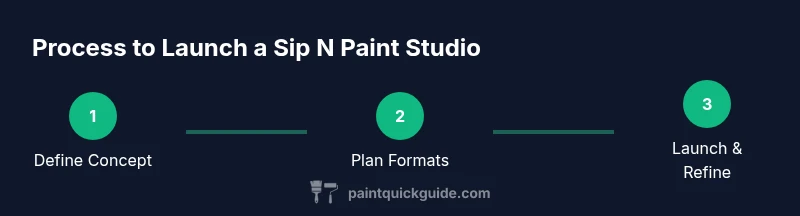
- 1
Define concept and audience
Decide on the studio format (family-friendly, adults-only, corporate, etc.) and identify your target guests (couples, friends groups, beginners). Clarify the level of instruction you’ll provide and the typical session length. This upfront clarity guides everything from pricing to marketing, and helps you tailor art templates and templates to guests’ expectations.
Tip: State your format and audience in a single sentence on your booking page to avoid confusion. - 2
Choose venue and confirm licensing requirements
Select a location that aligns with your brand and has adequate space, parking, and accessibility. Check local laws on alcohol service, occupancy limits, and event permits. If needed, consult a local attorney or business advisor to ensure compliance.
Tip: Document beverage policies and age-verification rules in a simple, guest-facing sign. - 3
Design session formats and craft schedule
Create 2–3 core formats (drop-in, guided, private) and draft a 120-minute template for each with timed segments for setup, painting, and cleanup. Prepare script prompts and visual templates for step-by-step guidance.
Tip: Include a built-in buffer for late arrivals or questions. - 4
Source supplies and inventory management
Acquire core art supplies, confirm supplier delivery timelines, and label all items. Set up a repeatable restock plan and track inventory to avoid stockouts during sessions.
Tip: Use an inventory spreadsheet with minimum thresholds. - 5
Set pricing and packages
Establish base pricing that covers materials, labor, and space, plus add-ons (premium canvases, extended sessions, private events). Create clear value statements for guests choosing each option.
Tip: Offer a simple bundle for first-time guests to encourage trial. - 6
Create waivers and safety policies
Draft guest waivers covering liability, alcohol policies, and allergy disclosures. Ensure staff understand emergency procedures, first-aid basics, and contact protocols.
Tip: Keep waivers accessible at check-in and require parent/guardian consent for minors. - 7
Build marketing plan and launch promotions
Develop a local marketing plan with partnerships, social media, and a simple website. Prepare a soft launch with limited bookings to test flow and gather feedback.
Tip: Offer a ‘friends-and-family’ promo to seed your initial bookings. - 8
Prepare day-of operations and checklists
Create a pre-session checklist for staff, including setup timing, material counts, and station assignments. Assign roles so guests receive consistent guidance.
Tip: Label stations with guest names or numbers for faster onboarding. - 9
Host the first session and guide participants
Welcome guests, give a brief overview, demonstrate essential techniques, and walk the group through each brushstroke. Maintain a calm pace and offer positive reinforcement.
Tip: Have a ‘finish-and-share’ moment where guests show their work to the group. - 10
Collect feedback and refine
After each session, solicit feedback via quick forms or verbal questions. Use insights to refine formats, inventory, and pacing for future events.
Tip: Implement changes in the next session to show guests you listen.
Your Questions Answered
What is a sip n paint studio?
A sip n paint studio combines social painting with guided instruction and a relaxed beverage-friendly environment. Guests follow an instructor to create a finished artwork, while enjoying a casual, social experience. The concept scales from small workshops to larger classes, and success relies on clear formats and guest-focused service.
A sip n paint studio is a social painting experience with guided instruction and drinks; guests create art in a relaxed setting.
Is alcohol allowed at these events?
Alcohol policies vary by location. Always verify local laws, venue rules, and age restrictions, and ensure responsible service. If alcohol isn’t allowed, you can offer non-alcoholic beverages and still provide a fun paint experience.
Alcohol rules differ by place—check local laws and venue policies before serving drinks.
What equipment do I need to start with beginners?
Begin with a basic kit: canvases, a starter acrylic paint set, a brush assortment, palettes, water cups, paper towels, and table covers. Add sample templates and a simple art project to guide first-timers.
Start with canvases, paints, brushes, water, towels, and simple templates.
How should I price sessions for profitability?
Pricing should cover material costs, labor, space, and overhead while remaining attractive to guests. Start with a clear base price and add-ons for premium canvases, private events, or extended sessions. Monitor attendance and adjust as needed.
Set a clear base price and optional add-ons, and adjust based on demand and costs.
How can I market to locals effectively?
Partner with local businesses, libraries, and community centers; offer free mini-sessions to attract interest. Use social media targeting the neighborhood, feature guest testimonials, and maintain an easy online booking flow.
Team up with nearby businesses and use local social ads to reach nearby residents.
What are common startup mistakes to avoid?
Avoid overcomplicating formats, neglecting safety waivers, and underestimating inventory needs. Don’t skip feedback collection, and ensure you comply with alcohol and age restrictions from day one.
Don’t overcomplicate formats, ignore safety, or skip gathering guest feedback.
Watch Video
Quick Summary
- Define a repeatable session format and target audience
- Prioritize safety, waivers, and clear beverage policies
- Source reliable, budget-friendly supplies and maintain inventory
- Market locally and build partnerships to fill calendars
- Track costs vs. revenue and adjust pricing as you grow