Paint and Sip Chicago: Your Practical How-To Guide
Discover practical tips for Paint and Sip Chicago events, from studio selection to at-home setups, budgeting, safety, and a step-by-step workflow. A PaintQuickGuide tutorial to help homeowners and DIY enthusiasts plan engaging, affordable sessions.


Goal: Host or join a Paint and Sip Chicago session that is enjoyable, affordable, and safe. This quick answer outlines how to pick a studio or at‑home setup, estimate costs, and prepare supplies without stress. You’ll learn essential safety steps, decor and seating tips, and a simple, repeatable workflow for successful events.
What is Paint and Sip Chicago? Overview
In Chicago, paint and sip chicago experiences blend accessible art instruction with socializing over wine or non-alcoholic drinks. Whether you join a local studio or host an at‑home session, the format centers on step-by-step guidance and a guided painting project. According to PaintQuickGuide, paint and sip chicago venues often highlight local art scenes, beginner-friendly instruction, and flexible scheduling to fit busy city life. The approach is designed for beginners and casual painters who want a social, low-pressure creative outlet. Expect friendly instructors, provided materials, and a city‑driven knack for themed projects—from Chicago skyline silhouettes to seasonal landscapes.
As you explore options, remember that quality varies by venue, so consider class size, seating comfort, ventilation, and the emotional vibe of the space. Paint and Sip Chicago events can be a family-friendly activity, a date night, or a team-building exercise for coworkers. This guide delves into planning, budgeting, and optimizing the experience for both beginners and seasoned hobbyists.
Planning Your Paint and Sip Chicago Experience
Planning a Paint and Sip Chicago session begins with choosing between a studio or an at‑home setup. Studio experiences often include a guided lesson, all materials, and a social atmosphere that suits groups and beginners. At‑home options provide flexibility, allow for personal playlists, and enable budgeting control by supplying your own paints or using rental kits. In either case, determine group size, preferred dates, and accessibility needs early. Chicago venues vary in capacity, cancellation policies, and safety guidelines, so read the studio’s terms before booking. From a budgeting perspective, plan for per‑person fees and any add-ons like alcohol, snacks, or specialty canvases.
PaintQuickGuide analysis shows that Chicago sessions commonly price per participant with moderate variability by neighborhood, studio size, and project complexity. If you’re coordinating a private event, ask about private tables, instructor-to-student ratios, and whether you can customize a subject. Regardless of format, lock in a date, confirm materials included, and communicate any dietary or accessibility needs to ensure a smooth experience for all participants.
Choosing the Right Studio or At-Home Setup
The right choice depends on your goals, budget, and comfort level with painting. Studio options typically offer structured instruction, ready-to-paint canvases, pre‑measured paints, brushes, and an easel or table setup. If you prefer a DIY vibe, at‑home kits can replicate the process with minimal setup: a clear workspace, drop cloths, basic brushes, and quality acrylics. When evaluating studios, look for a clear teaching method (step-by-step guidance, demonstrated technique, and friendly pacing), a clean environment with good ventilation, and reliable materials. For home sessions, ensure you have enough table space, proper lighting, and accessible seating. The theme quality matters too—select projects that match your skill level and interests.
If you’re painting with kids or teens, check age restrictions and safety rules for the venue or kit provider. Always confirm what’s included (canvas size, brushes, palette, easel) and what you must supply yourself.
Essential Supplies and Budgeting
Understanding what you need helps you budget effectively for a Paint and Sip Chicago session. Studio events usually include canvases, paints, brushes, and aprons; check if they provide easels and disposable palettes. For home setups, plan a basic kit: acrylic paints in primary colors, brushes of varying sizes, a blank canvas, water cups, paper towels, painter’s tape, a protective drop cloth, and a smock or apron. Compare prices between kits from reputable vendors to keep costs predictable. When budgeting, factor in optional extras like a starter set of premium paints, specialty canvases, or a themed guide. In Chicago, many venues offer different project levels, so choose a project that matches both your skill and budget.
To reduce waste, reuse palettes and wash brushes promptly, but never mix paints on the canvas. Proper disposal of used materials is essential for safety and environmental responsibility.
Step-by-Step Workflow Overview
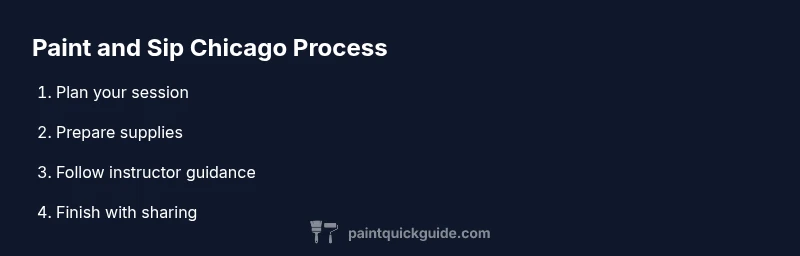
Most Paint and Sip Chicago sessions follow a familiar workflow: introduction and setup, subject demonstration, painting blocks, and finishing touches with a short clean‑up period. In either format, expect the instructor to guide color selection, hold up example layers, and provide tips on brush technique and perspective. The session typically moves from a light sketch to layered color blocks, with adjustments based on participants’ pace. Social breaks and photos are common, providing opportunities to share progress and learn from others. If you’re hosting at home, structure the schedule to keep momentum and ensure everyone completes a version they’re proud of.
A typical 90‑to‑120 minute format often includes a quick intro, 60–75 minutes of painting, and a 10–15 minute wind‑down. Always allocate extra time for setup, demonstrations, and cleanup in case your group is larger than expected.
Safety, Etiquette, and Accessibility
Safety is essential in any painting activity. Ensure good ventilation, keep liquids away from electronics, and use non-toxic paints suitable for indoor use, especially when children are present. In studio settings, follow the instructor’s safety guidelines and respect shared equipment. Accessibility matters: confirm seating options, step-by-step assistance, and any role accommodations so everyone can participate. For events that involve alcohol, have non-alcoholic options available and monitor intake to maintain a comfortable, inclusive atmosphere. Finally, maintain polite etiquette—listen to the instructor, share materials, and encourage teammates who may be shy.
Tips for Great Photos and Social Sharing
A Paint and Sip Chicago night shines on social media when you plan ahead. Keep your subject simple yet meaningful, snap progress shots at key milestones, and capture a few candid moments of group interaction. Good lighting helps – position your setup near natural light or use a neutral, diffuse lamp. Use the final piece as a focal point in your photo and consider a quick before/after comparison to showcase progress. If you’re posting online, include a few craft-friendly hashtags and a friendly caption that describes your journey, not just the finished product.
Authority sources
To explore safety standards and best practices for painting activities, consult credible sources:
- https://www.osha.gov
- https://www.epa.gov/lead
- https://www.cdc.gov
Tools & Materials
- Canvas or painting surface(Pre-stretched canvas or canvas board; choose size (16x20)
Steps
Estimated time: 1.5–2.5 hours
- 1
Choose format
Decide whether you’ll attend a local studio or host at home. Consider group size, budget, and preference for structured instruction versus flexible, self-guided projects.
Tip: Select a project appropriate for the skill level of all participants. - 2
Set up workspace
Clear a stable table, cover with a drop cloth, arrange lighting, and position mirrors or photo references within easy view for all participants.
Tip: Test lighting before the class starts to avoid color distortion. - 3
Gather materials
Collect paints, brushes, canvases, water cups, paper towels, and palettes. If you’re hosting, confirm what the venue provides.
Tip: Label colors on palettes to minimize confusion during painting. - 4
Sketch lightly
Begin with a faint pencil outline or a simple guideline to map composition before applying color.
Tip: Keep lines very light; they should be easily covered by paint. - 5
Block in colors
Fill large areas with base colors, focusing on shape and composition rather than detail.
Tip: Work from large areas to fine details to maintain visual balance. - 6
Add details and finishing touches
Layer contrasting colors, refine edges, and adjust highlights to bring depth to the piece.
Tip: Don’t overwork; small adjustments often yield stronger results. - 7
Clean up and reflect
Wipe brushes, rinse pallets, and take a quick photo of the finished piece for social sharing.
Tip: Share a quick before/after photo to engage your audience.
Your Questions Answered
What is a paint and sip Chicago session like?
A typical session blends guided painting with socializing over drinks. An instructor leads you through a project step by step, usually providing all materials. You’ll finish with a keepsake and new painting skills.
Most sessions are guided painting events with a social vibe, and they provide all the basic supplies.
Are alcohol-free options available?
Yes. Many studios offer non-alcoholic beverages or allow you to BYO. Check with the venue about their policies and any added fees.
Most venues have non-alcoholic options or policies on BYO.
Can beginners participate with kids or teens?
Yes, many studios offer family-friendly sessions suitable for beginners and teens. Verify age restrictions and choose a kid-friendly project.
There are often family-friendly options; just verify age rules first.
Do I need my own supplies for a home session?
For home setups, you’ll need basic paints, brushes, and a surface. Some kits include everything you need; confirm with the vendor.
If you’re painting at home, you’ll usually need to gather paints and brushes, or order a kit that includes them.
What should I expect to pay per person?
Pricing varies by studio and project, but expect a per-person fee that covers materials and instruction. In Chicago, costs can fluctuate with neighborhood and demand.
Prices vary by venue and project; most include materials and instruction.
Watch Video
Quick Summary
- Plan the format and budget before booking
- Choose a project suitable for all participants
- Prepare a clean workspace and proper lighting
- Work in clear color steps from base to detail
- Capture progress with photos for social sharing