Paint and Sip Class Guide: Learn to Paint Together
A practical, step-by-step guide to selecting, attending, and thriving in a paint and sip class. Learn expectations, packing lists, and tips to maximize creativity and social fun.


Paint and sip class is a guided, social painting session where participants create a themed canvas while enjoying light beverages. An instructor demonstrates essential techniques, supplies are provided, and you leave with your own finished artwork. These sessions are beginner-friendly, encourage creativity, and pair art with relaxed social time. No prior painting experience is required, and most venues offer simple instruction and a casual pace.
What is a paint and sip class?
A paint and sip class is a guided, social painting experience that combines basic art instruction with a relaxed, convivial atmosphere. Participants follow an instructor’s step-by-step demo while choosing colors, mixing tones, and applying brushwork to a provided canvas. Most venues provide paints, brushes, canvases, and aprons, and many serve light beverages to create a low-pressure, friendly environment. The format is intentionally beginner-friendly: you don’t need prior art training to participate, and mistakes are seen as part of the process.
In practice, you’ll typically start with a brief demonstration of a simple technique—perhaps how to load a brush, mix a sky gradient, or create a central focal point. Then you’ll reproduce the technique on your own canvas, often with guided prompts and occasional tips from the instructor. The social component is a core part of the experience: you’ll chat with neighbors, share progress, and enjoy a casual, non-judgmental setting. For many people, it’s as much about the experience as the finished painting. A quality paint and sip class blends accessible art instruction with an opportunity to socialize, destress, and build confidence in your creative choices. According to PaintQuickGuide, these sessions are designed to lower barriers to entry for new painters while providing a structured path to a satisfying finished piece.
Who should consider a paint and sip class?
A paint and sip class is ideal for beginners who want to explore painting without committing to a formal course, as well as for friends, couples, and coworkers looking for a relaxed social activity. It’s also popular with anyone who enjoys structured guidance but prefers a casual pace. Parents often seek kid-friendly or family-friendly sessions, while local studios host date nights or team-building evenings. If you’re curious about color mixing, brush control, or composition, this format provides practical, hands-on practice in a supportive setting. Even experienced hobbyists use these classes to try new styles or media in a low-stakes environment. In short, a paint and sip class suits anyone who wants art education, social interaction, and a fun, low-pressure creative outlet.
Benefits and potential drawbacks of paint and sip classes
People frequently report several benefits: hands-on technique coaching, social interaction, and a built-in structure that helps beginners finish a canvas. The social component makes the activity feel approachable and less intimidating than a solo painting session, while the instructor’s guidance helps novices avoid common missteps. From a practical perspective, most classes provide all essential supplies, which lowers the barrier to starting a painting project at home. On the flip side, potential drawbacks include cost, variable quality between venues, and a time commitment that may not suit every schedule. It’s also possible to leave with a painting that doesn’t match your personal expectations, which is normal for beginners. PaintQuickGuide Analysis, 2026 indicates that attendees value clear demonstrations and a friendly atmosphere as top drivers of satisfaction.
How to choose the right paint and sip class
Start by identifying your goals: do you want a quick, social outing or a longer, studio-style experience? Check the instructor’s credentials and the class size—smaller groups usually mean more personalized feedback. Confirm what’s included: some venues supply canvases, paints, and brushes, while others require you to bring your own. Look for beginner-friendly options with step-by-step demos and a relaxed pace. Consider the location and timing, including weekend sessions for families or after-work options for professionals. Finally, verify the cancellation policy and whether beverages are allowed; many studios offer drinks, but policies vary by location.
What to bring and what’s included in a typical session
A typical paint and sip class includes a pre-stretched canvas, a basic acrylic paint set, brushes in several sizes, a water cup, a palette or mix plate, and a smock or apron. Some venues provide a simple snack and water; others sell beverages on-site. You usually receive a seat at a shared table, with a demonstration from the instructor and a practiced step-by-step plan. If you have dietary restrictions or prefer non-alcoholic beverages, choose a class that clarifies its offerings. It’s a good idea to bring a small tote for carrying your finished artwork and a notepad for notes on color mixing or technique.
A typical class experience: step-by-step overview
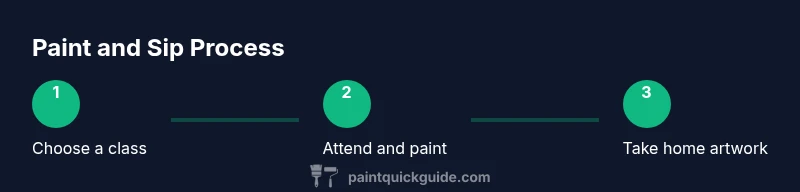
A typical session lasts about 90 minutes to 2 hours. Steps often occur in this flow: Welcome and setup; Demonstration of a simple technique; Guided painting with prompts; Individual painting time; Feedback and adjustments; Finishing touches; Cleanup and take-home. The instructor will guide you through color mixing and brushwork, advising on pressure and stroke technique. Expect opportunities to chat with others, share progress, and receive encouragement. If you’re nervous, remember that everyone is there to have fun and learn, not to judge your painting against a masterwork.
AUTHORITY SOURCES
For further reading on studio art classes, consider these reputable sources:
- https://www.arts.gov
- https://extension.psu.edu
- https://www.metmuseum.org
These bases provide context on arts education, accessibility in creative activities, and general best practices for teaching beginners in a group setting.
Safety, etiquette, and accessibility considerations
When attending any painting class, be mindful of safety: use water-based acrylics to minimize fumes, avoid solvent-heavy paints, and ensure good ventilation. Follow studio etiquette, such as arriving on time, keeping noise levels reasonable during demonstrations, and cleaning up after yourself. If you have mobility or visual accommodations, contact the venue in advance to request a seating arrangement or alternative prompts. Accessibility varies by location, so verify if you need wheelchair access, amplified instruction, or materials in braille or large-print formats. Being prepared helps everyone enjoy the session and reduces potential frustrations.
Tools & Materials
- Acrylic paints (assorted colors)(Basic set of 12-24 colors recommended)
- Paint brushes (assorted sizes)(Include flat and round brushes; nylon bristles work well)
- Canvas or painting paper(Pre-stretched canvas or canvas board (typical sizes: 11x14 or 16x20))
- Palettes or painting plates(Paper plate palettes are fine for beginners)
- Water cup(For rinsing brushes between colors)
- Rags/paper towels(Blotting and cleanup during the session)
- Apron or old clothes(Protection against spills)
- Mini easel (optional)(Helpful for tabletop display or comfort)
- Palette knife (optional)(For texture and layering effects)
- Printed image or reference (optional)(If you want to follow a specific design)
Steps
Estimated time: 1.5-2 hours
- 1
Find and book a class
Search local studios or online platforms for a beginner-friendly session. Compare dates, pricing, and whether materials are included. Complete the booking through the studio portal and note the cancellation policy.
Tip: Choose a class with a flexible reschedule option in case plans change. - 2
Review inclusions before arrival
Check what’s provided (canvas, paints, brushes) and what you should bring. Note the class length and the expected pace to prepare mentally and physically.
Tip: If you have dietary needs or drink preferences, verify beverage policy ahead of time. - 3
Arrive early and set up
Get a seat, arrange your materials, and acclimate to the instructor’s setup. Early arrival reduces stress and improves your alignment with the demo.
Tip: Take a quick mental note of your color palette before starting. - 4
Watch the demonstration carefully
Pay close attention to brush loading, stroke direction, and color mixing. Ask clarifying questions if something isn’t clear.
Tip: Try a quick practice stroke on a scrap surface. - 5
Paint along with guided prompts
Follow the instructor’s prompts, applying colors and brushwork to your canvas. Keep your palette organized to avoid mixing mishaps.
Tip: Don’t worry about perfection—focus on composition and learning. - 6
Add finishing touches
Refine edges, balance tones, and check overall composition. Step back occasionally to assess the piece from a distance.
Tip: Use a damp brush to soften edges for a cohesive look. - 7
Cleanup and take artwork home
Return brushes to their containers, wipe surfaces, and transport your finished canvas safely. Cleanliness helps you reuse materials next time.
Tip: Take a photo of your artwork before transporting it—light changes can affect color perception. - 8
Reflect and plan your next project
Review what you learned, note techniques you want to try again, and consider future classes to build skills progressively.
Tip: Create a simple plan for practicing at home between sessions.
Your Questions Answered
Do I need painting experience to take a paint and sip class?
No prior painting experience is required. Instructors tailor guidance for beginners and provide step-by-step demonstrations.
No painting experience is required; instructors tailor guidance for beginners.
Is this class BYOB (bring your own beverage)?
Policies vary by venue. Some studios allow beverages, while others provide drinks or prohibit outside alcohol. Check the specific policy before booking.
Policies vary by venue; check the specific policy before booking.
How long is a typical session?
Most classes run about 90 minutes to 2 hours, depending on the design and the instructor’s pace.
Most classes run about 90 minutes to 2 hours.
What if I can’t attend after booking?
Cancellation windows and rescheduling options vary by studio. Review the policy during booking and reach out to the venue for exceptions if needed.
Cancellation policies vary; check the studio's policy.
Can I take home my painting after the class?
Yes, you typically take home your finished painting. Some studios offer framing or add-on services for an extra fee.
Yes, you take home your painting; some places offer framing.
Are there age restrictions for paint and sip classes?
Most sessions are suitable for ages 12 and up; family-friendly options are available at some studios.
Most sessions are for ages 12+, some are family-friendly.
Watch Video
Quick Summary
- Choose a class suited to your experience level.
- Materials are often included; verify before booking.
- Practice basic brushwork and color blending.
- Enjoy the social aspect and take home your artwork.
- Expect a supportive instructor and relaxed pace.