Blonde Hair Paint Spray: Creative Techniques and Safety
Learn how to choose, test, and apply blonde hair paint spray for cosplay props and art projects. Practical shade selection, surface prep, layering, sealing, and safety tips for salon-like results.


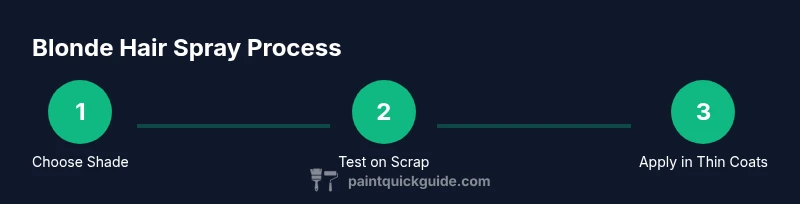
Goal: Learn to choose, test, and apply blonde hair paint spray for creative projects such as cosplay props or art finishes. We'll cover shade selection, surface prep, thin-coat application, and sealing for durability. Follow practical steps and safety tips from PaintQuickGuide to get salon-like results on craft surfaces. This quick answer sets the stage for a deeper, safer approach.
Why blonde hair paint spray shines in creative painting
Blonde hair paint spray is a specialized spray finish designed to mimic the soft, sun-kissed tones often seen in blonde hair. In cosplay, prop making, and art projects, this kind of spray can deliver a uniform color with a lightweight feel and minimal texture. The goal is not to replicate hair fibers but to achieve a salon-like finish for surfaces ranging from plastic to wood to metal. According to PaintQuickGuide, using the right shade and a careful layering technique yields a more natural look than a single heavy coat. When used correctly, blonde hair paint spray can reduce brush marks and create a smooth, even base color for elaborate accents, shading, or weathering. As you plan, keep in mind the breathing room between coats and the need for a controlled environment to protect surrounding surfaces. This approach fits well with home projects, cosplay builds, and small-scale auto refinishing tasks where a subtle blonde hue is desired.
Color matching for blonde tones: warm, cool, and neutral shades
Choosing the correct blonde tone is essential. Warm blondes lean toward honey or caramel notes, cool blondes skew toward icy and platinum hues, and neutral blondes sit in between. When you search for blonde hair paint spray, you’ll encounter terms like warm blonde, cool blonde, ash blonde, and golden blonde. For craft surfaces, test sheets or scrap panels first, then compare under the same lighting you’ll use for the final piece. If you’re aiming for a natural look, pair the base shade with a slightly lighter mist on high-lights to mimic reflective strands. PaintQuickGuide emphasizes testing multiple shades on swatches before committing to a color—this reduces surprises on the final project. Remember that the final look also depends on the surface texture and the number of coats you apply.
Surface prep and priming: why it matters for blonde hair spray finishes
Surface prep determines adhesion and final appearance. Clean the material with a mild degreaser or soap-and-water solution, then dry thoroughly. Lightly scuff glossy surfaces with 320- or 400-grit sandpaper to promote grip, then wipe away dust. If you’re painting over existing coatings, ensure the old layer is stable and free of peeling. A light primer compatible with the spray will help even out porosity and improve color uniformity. The goal here is to create a neutral, receptive base so your blonde hair paint spray adheres evenly, avoiding blotches or splotches that would betray a dyed finish.
Application techniques: building a smooth, even blonde finish
Apply blonde hair paint spray in light, steady passes, starting about 8–12 inches from the surface. Use thin coats to prevent runs and ensure color builds gradually. Overlap each pass slightly to avoid stripes, and alternate horizontal and vertical strokes for even coverage. If you’re aiming for a soft gradient, introduce a very light second shade near the edges and blend gently with a fan technique. Allow 5–10 minutes between coats in typical ambient conditions, longer if the environment is cooler or more humid. Drying times vary by product; always follow the label for cure times before handling.
Layering and color depth: achieving a natural blonde on crafts and props
Depth comes from deliberate layering rather than a single heavy coat. Start with a warm base if your final shade is warm blond, then build with progressively lighter or cooler tones to create natural highlights. For props or art surfaces, you can simulate dimensionality by adding selective darker shadows along edges or recessed areas, followed by a light misting to blend. Record your color sequence for consistency in future projects. PaintQuickGuide notes that even, consistent spray pressure is essential to avoid puddling and color pooling, especially on non-porous surfaces.
Finishing with sealers: protecting the blonde finish over time
A compatible clear topcoat protects the blonde hue from scuffs, UV exposure, and handling wear. Choose a sealer that matches the sheen you want—matte, satin, or gloss—without dramatically altering the color. Test the sealer on a scrap panel to confirm color stability and dry time. Apply thin coats, observing the instruction times, and allow full cure before subjecting the piece to use. A proper sealant also improves resistance to moisture and dust buildup, helping your blonde hair paint spray finish stay vibrant longer.
Safety, ventilation, and cleanup: essential precautions for DIY spraying
Work in a well-ventilated area with appropriate PPE: a respirator rated for organic vapors, safety goggles, and nitrile gloves. Cover surrounding areas with a drop cloth, and use masking tape to protect edges that should stay unpainted. Ventilation is critical to minimize inhalation of fumes and to reduce the buildup of overspray. Clean spray equipment promptly after use with suitable cleaners recommended by the product manufacturer. Drying and curing times vary; always follow the label and ensure a fully cured finish before handling or storage.
Cost considerations and sustainability: planning for blonde spray finishes
Prices for blonde hair paint spray can vary by brand, shade, and can size. In craft contexts, many hobbyists look for mid-range options that balance pigment load with ease of application. When budgeting, factor in additional materials such as primers, sealers, and masking supplies. If you’re repeating a color on multiple parts, buying in bulk or subscribing to a painter’s spray system may reduce per-project costs. Opt for water-based formulas where possible to minimize VOC exposure and cleanup.
Troubleshooting common issues: what to do when things don’t look right
If you notice orange-peel texture, inspect your spray distance and ensure the surface is dry and clean. Inconsistent color often comes from inconsistent spray technique or insufficient drying between coats. Runs or sags indicate coats were too heavy or the surface was too warm; reduce each coat’s width and let it dry fully. If the color appears too warm or too cool after curing, you can adjust with a light, complementary glaze or a final mist of the target shade, then seal. Always test on a scrap panel before reworking the final piece.
Tools & Materials
- blonde hair paint spray(Choose shade closest to your target blonde tone; test on scrap material first.)
- respirator or painting mask (organic vapor)(NIOSH-approved; fit-tested for best protection.)
- nitrile gloves(Keep skin protected; disposable and latex-free.)
- drop cloth or plastic sheeting(Protects floors and surrounding surfaces from overspray.)
- masking tape and masking film(Use to protect edges and create clean lines.)
- fine-grit sandpaper (320-400 grit)(Lightly scuff glossy surfaces to promote adhesion.)
- adhesion primer compatible with spray(Helps even porosity and increases color uniformity.)
- clear sealer/topcoat (matte/satin/gloss as desired)(Select a compatible sealer; test first on scrap.)
- paint thinner or cleaner (as required by product)(Use only if manufacturer recommends cleaning spray equipment.)
- soft lint-free cloths(Clean up residue and wipe swatches for color checks.)
Steps
Estimated time: Active work 60-90 minutes; total project including cure 24-48 hours depending on product
- 1
Prepare workspace and materials
Set up in a well-ventilated area. Lay down drop cloths, gather masking supplies, and verify you have the exact blonde shade. This baseline setup ensures clean application and easy cleanup.
Tip: Test your shade on a scrap panel before committing to the final piece. - 2
Test shade and compatibility on a scrap
Spray a small patch on a neutral scrap to confirm color, odor, and drying behavior. Adjust shade if needed by layering lighter or darker hues in subsequent tests.
Tip: Document the test results for future projects. - 3
Mask and protect surrounding areas
Apply masking tape to edges and cover nearby surfaces. Ensure the protected area is precise to prevent bleed-through.
Tip: Use film for larger flat areas and tape for edges. - 4
Shake and test spray distance
Shake the can vigorously and test spray at 8–12 inches from the surface on a test panel. The distance controls the spray pattern and minimizes runs.
Tip: Keep the can moving in smooth, even strokes. - 5
Apply first light coat
Spray in thin passes, overlapping slightly. Avoid pooling by keeping coats light and uniform.
Tip: If your first coat looks blotchy, wait until it’s dry and apply a second light coat. - 6
Build color with additional coats
Apply 2–3 additional thin coats, allowing 5–10 minutes between coats, depending on curing conditions. Build depth gradually to avoid drips.
Tip: Never rush through coats; patience yields better realism. - 7
Optional shading and highlights
Introduce a slightly lighter or darker shade for highlights and shadows to simulate natural hair tone. Blend edges with a light mist.
Tip: Use a clean, light touch for a natural look. - 8
Seal the finish
After the paint cures, apply a compatible clear sealer in thin coats. Test first on a scrap to ensure color stability.
Tip: Choose sheen to match your project’s aesthetic and intended use. - 9
Final cleanup and curing
Wipe tools and store materials properly. Allow full cure time before handling to prevent smudges.
Tip: Ventilate during curing and avoid handling during the initial phase.
Your Questions Answered
What projects is blonde hair paint spray best suited for?
Blonde hair paint spray works well for cosplay props, art installations, and craft pieces where a blonde hue is desired without heavy brushwork. Always test color on scrap and ensure compatibility with the surface.
Blonde hair paint spray works well for cosplay props and crafts where a blonde hue is needed without brush marks. Test on scrap first and check surface compatibility.
How long does a blonde hair spray finish take to dry?
Dry times vary by product and environmental conditions. Expect 5–15 minutes between light coats in typical room conditions, with a full cure panel taking 24–48 hours or as specified on the label.
Dry times between coats are usually 5 to 15 minutes in normal conditions, with full curing taking about 24 to 48 hours depending on the product.
Can I spray blonde hair paint spray in a small indoor space?
Spraying indoors is not recommended unless you have proper ventilation and a controlled setup. Use a dedicated spray booth or outdoor area with wind direction considered to prevent overspray on unintended surfaces.
Spraying indoors is risky without good ventilation. Use a spray booth or outdoor space with careful setup.
Do I need a sealer after applying blonde hair paint spray?
Yes. A compatible clear sealer protects the color from UV, moisture, and handling wear. Test the sealer on a scrap piece to ensure color fidelity.
Yes, sealers help protect the color from UV and wear; test on scrap first.
What safety gear is essential when using blonde hair paint spray?
Wear a respirator for organic vapors, safety goggles, and gloves. Work in a ventilated area and cover surrounding surfaces to minimize exposure and contamination.
Wear a respirator, goggles, and gloves in a ventilated area, and protect nearby surfaces.
Watch Video
Quick Summary
- Choose the right blonde shade for the project.
- Prep surfaces meticulously for even results.
- Apply thin coats and build color gradually.
- Seal with a compatible topcoat after curing.
- Follow safety guidelines for ventilation and PPE.