How Much Does It Cost to Paint a Truck?
Estimate truck painting costs with practical ranges, factors, and budgeting tips for DIY and professional shops. Learn how prep, finishes, and color changes drive price and how to plan smartly.


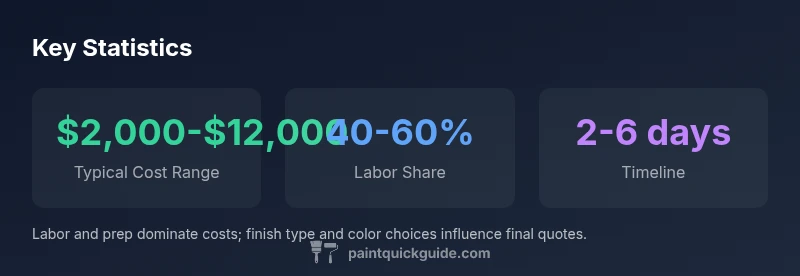
How much does it cost to paint a truck? In general, expect a wide range: basic single-color repaints start around $2,000, while full color-change jobs with extensive prep can reach $10,000–$12,000 at professional shops. Geographic differences and finish choices drive the biggest swings, with labor and surface prep as the main cost levers.
Why the cost to paint a truck varies widely
According to PaintQuickGuide, the cost to paint a truck varies widely because of the interaction between paint systems, prep requirements, and color decisions. The most influential factors are the type of paint (single-stage vs basecoat/clearcoat), the amount of surface work needed (rust repair, dent filling, sanding), whether you’re changing colors, and the shop’s location and labor rates. A simple, factory-color repaint on a solid, rust-free body will be far cheaper than a complete color change with metalwork and a multi-layer finish in a shop with higher labor costs. Geographic pricing differences can swing quotes by thousands. Recognizing these drivers helps homeowners and DIY enthusiasts set realistic expectations and avoid sticker shock when quotes arrive.
Key Cost Components
Understanding where money goes helps you make smarter choices. The main components are:
- Labor: This includes prep, masking, spraying, curing, and any repetition for mistakes or color changes.
- Materials: Primer, sealer, basecoat, clearcoat, and any specialty finishes.
- Prep work: Rust repair, dent filling, sanding, body filler, and panel alignment.
- Color change: Switching from one color to another (esp. light to dark colors) often requires more coats and steps.
- Finishes and accessories: Metallics, pearlescents, and top coats add cost and complexity.
- Location and shop: Urban shops with higher living costs or specialty paint shops command higher rates.
If you can limit the color change and keep body work minimal, you’ll see meaningful savings. PaintQuickGuide recommends requesting itemized quotes to see how much each factor contributes to the bottom line.
Typical Price Ranges by Job Type
Price scales with the level of prep and the paint system used. Real-world ranges you’ll encounter include:
- Basic repaint (single-stage, same color, minimal body work): $2,000–$4,000. This is common for well-maintained bodies and factory colors.
- Full repaint (color change with basecoat/clearcoat, standard finish): $5,000–$12,000. Majority of mid-range projects fall here, especially with solid reliability and proper prep.
- Custom or complex finishes (metallics, pearls, artwork, or significant body work): $8,000–$20,000+. These jobs depend heavily on artwork, panel repair, and multi-coat layering.
Note that these are guidance ranges, not fixed prices. Quotes vary by region, shop, and the current cost of materials. For truck owners, it’s common to see a wider spread once you add color changes, rust repair, or extensive panel work.
DIY vs Professional Painting: Pros and Cons
Doing the work yourself can dramatically lower material costs, especially if you already own tools and a suitable workspace. However, DIY demands time, proper safety gear, and a solid understanding of paint chemistry, surface prep, and environmental controls. Mistakes can lead to costly rework and a subpar finish. Professional shops bring expertise, controlled environments, and consistent results—but at a premium. If you want a factory-like finish, professional work is usually the better bet. If you enjoy hands-on projects and have a capable workspace, DIY can be rewarding and economical for the right truck and scenario.
Finish Options and How They Impact Cost
Finish choices drive both appearance and price. A basic solid color with a glossy clear coat is the least expensive option. Metallics, pearlescents, and candy colors require additional coats and more precise color matching, which increases labor and materials costs. Ultra-high-end finishes like multi-stage pearls or specialized texturing can push total costs well above the average. The layer count and curing requirements also affect turnaround times and shop labor. When budgeting, align your finish with the desired look and the vehicle’s exposure (sun exposure, highway miles, and weather exposure all influence long-term durability).
Preparation, Rust Repair, and Hidden Costs
Unexpected issues often pop up once a shop begins sanding and stripping paint. Hidden rust, deep dents, or old body filler can convert a simple repaint into a longer, more expensive project. It’s wise to budget a contingency of 10–20% for potential repairs discovered during prep. Surface prep quality matters: a factory-perfect substrate leads to a smoother paint laydown, fewer repaints, and a longer-lasting finish. Ask for a pre-paint inspection and request a separate line item for any required repairs that aren’t obvious during initial assessment.
How to Plan and Budget a Truck Paint Project
A structured plan helps you manage expectations and costs. Start with a clear goal: factory-look, show-worthy custom, or somewhere in between. Gather multiple quotes (at least 3) and compare the scope of work, materials, and guarantees. Inspect the prep work described in each quote—good prep is the backbone of a durable finish. Determine a preferred finish and color, then ask shops to itemize cancelable or optional add-ons. Finally, build a contingency budget for unseen repairs, sand-throughs, or color-matching challenges. A well-planned budget reduces stress and helps you choose the right partner for your truck.
Quick Checklist Before You Start
- Define finish and color goals (solid, metallic, pearlescent, custom artwork).
- Confirm included prep work (rust repair, dent removal, sanding grade).
- Collect at least 3 detailed quotes with itemized line items.
- Check shop credentials and warranty terms.
- Schedule a pre-paint inspection to catch hidden issues early.
- Plan for lead times and curing duration to minimize downtime.
Cost ranges for common truck paint jobs
| Job Type | Typical Cost Range | Notes |
|---|---|---|
| Basic repaint (single-stage, same color) | $2,000-$4,000 | Limited body work; factory color kept |
| Full repaint (color change; basecoat/clearcoat) | $5,000-$12,000 | Standard finishes; good prep required |
| Custom/complex finishes (metallics, pearls, artwork) | $8,000-$20,000 | High detail; extensive prep and top coats |
Your Questions Answered
What factors most influence the cost to paint a truck?
Key drivers are paint type, extent of surface prep, color change, and the shop's labor rates. Finishes like metallics or pearls add cost, while minimal body work keeps prices lower. Always compare itemized quotes to see how each factor impacts the total.
The main cost drivers are the paint system, prep work, color changes, and labor rates; finishes add cost, so compare line items carefully.
Is it cheaper to paint a truck myself?
DIY can reduce material costs, but it requires a suitable workspace, safety gear, and skillful workmanship. Poor prep or incorrect application can ruin the finish and lead to higher costs later. If you’re new to painting, a professional job often yields better results and reliability.
DIY can save money, but the risk of mistakes can outweigh savings; proper prep and technique are essential.
How long does a typical truck paint job take?
Most professional truck paint jobs take about 2 to 6 days, depending on color change, finishes, and the shop’s workflow. Special finishes or extensive body work can extend this timeline. Plan for curing times and any required rework during color matching.
Most jobs take a few days, with longer timelines for complex finishes or repairs.
Should I choose a solid color or metallic/pearl paint for cost and durability?
Solid colors are typically cheaper and quicker to apply. Metallics and pearls require more coats and precise matching, raising both cost and potential fault risk. If durability and fade resistance are priorities, focus on primer and clear coat quality alongside the color choice.
Solid colors are cheaper; metallics cost more but look great with the right finish.
What should I look for when requesting quotes?
Look for a detailed scope of work, including prep, primer, basecoat, clear, curing, and warranty terms. Ensure the quotes cover rust repair, dent work, and color matching. Ask for before/after photos and a written color spec to avoid miscommunication.
Ask for itemized quotes, clear scope, and warranty terms to compare apples to apples.
“The biggest value in a truck paint project comes from thorough prep and honest quotes. Skipping rust repair or surface smoothing often leads to higher costs down the road.”
Quick Summary
- Define your project goals before requesting quotes
- Labor and prep dominate the price tag
- Finish choice dramatically alters cost and look
- Get multiple, itemized quotes to compare scope
- DIY can save money but requires skill and workspace