Car Paint Shops Near Me: A Practical Guide to Quality and Cost
Find reliable car paint shops near you with tips on pricing, turnaround, and quality. Learn how to compare quotes, assess finishes, and protect your investment.


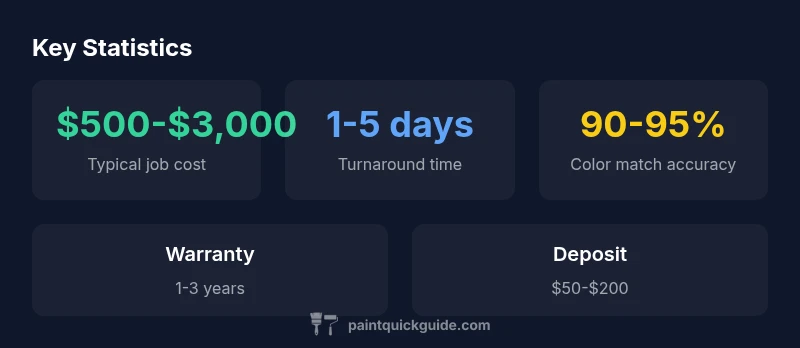
Car paint shops near me vary widely in price, turnaround, and finish quality. To get the best value, compare quotes, verify that shops use quality automotive paints, review color-match guarantees, and check warranty terms. Local shops can offer color matching and mobile spray options, but price hinges on prep work, panel count, and coating type. Understand that variability exists nationwide. Track price ranges before committing.
Understanding local car paint shop options
Choosing a car paint shop near you isn’t just about proximity. The final look of your vehicle depends on three core factors: the quality of surface preparation, the paint system selected, and how the shop handles curing and finishing. According to PaintQuickGuide, market conditions, access to materials, and technician expertise influence outcomes as much as advertised prices. When you compare options, focus on prep standards, the specific coating system, and warranty terms. A reputable shop will document every step of the process and provide a written quote. In daylight, you should be able to inspect a test panel to judge color accuracy and finish. The goal is a durable, factory-like appearance that withstands washing and exposure over time.
How to locate and evaluate nearby shops
Start by searching with terms like car paint shops near me and nearby auto body specialists. Read multiple reviews from independent sources, and verify that the shops hold current licenses or certifications where applicable. Call ahead to confirm that they use approved automotive paints and that their equipment matches the job scope (booths, ventilation, and curing lamps). Request references and, if possible, speak with technicians who would work on your car. A strong shop will be transparent about prep work, pricing, and expected timelines. Don’t hesitate to ask for a brief on the color matching approach and a warranty policy before you commit. The right shop will treat your car as an investment and communicate clearly about risks and outcomes.
Paint systems and finishes you should understand
Automotive color work typically uses primers, basecoat, and clearcoat, with variations like urethane or acrylic systems. Your choice affects durability, gloss, and color depth. Ask for details about the primer type (etch, self-etch, or epoxy), basecoat technology (water-based vs solvent-based), and the clearcoat formulation (gloss, UV resistance, and topcoat protection). For metallics and pearls, color accuracy is especially dependent on the shop’s mixing system and lighting under the booth. A good shop will provide a written specification for each layer, showing the expected finish and the protection level. Ensure the color-matching process accounts for substrate, humidity, and lighting conditions to minimize color drift over time.
Cost drivers and how to read quotes
Pricing for a car repaint varies with prep needs, the number of panels affected, and the paint system selected. Higher-end finishes with multi-layer clear coats command steeper prices but deliver better gloss and longevity. Factor in bodywork, dent repair, masking, and masking tape quality. Some shops charge per panel; others offer a full-vehicle repaint with a bundled price. When reviewing quotes, request a breakdown of parts, labor, paint, and environmental charges. Also confirm whether the quote includes paint matching, test panels, and a warranty. Remember that cheaper options may cut corners on prep or coatings, increasing the risk of problems down the line.
Turnaround times and booking tips
Turnaround depends on job complexity, shop workload, and curing requirements. A basic color refresh may take a couple of days, while a full repaint with high-end finishes could require up to a week, including cure time. Ask for a start-to-finish ETA in writing and plan for a contingency if parts or pigments are back-ordered. If you need the car back by a specific date, communicate that early and confirm a firm schedule. Scheduling ahead also helps you secure a preferred color, finish, and appointment window, reducing the chance of delays. Consider coordinating with your insurer or dealership if the repaint affects coverage timelines.
How to evaluate quotes and warranties
A quote should include a clear scope of work, the specific paint system, and the number of coats. Look for a stated warranty on color and finish, as well as repair or re-do options if color matching is off. A one-page estimate is not sufficient; request a formal contract or service order with all terms. Verify whether the warranty covers bubbling, peeling, or fading, and for how long. Ask how color matching is tested (e.g., instrument-based matching, multiple shade samples) and what remedies the shop provides if a mismatch occurs. Finally, confirm the total cost and any potential add-ons before signing.
Preparing your car for the shop visit
Before delivering your vehicle, remove personal items from the cabin, disable alarms, and secure compliance with all ratings for paint work. If you have a color code or reference, bring it, along with any paint samples that match your desired shade. For favored finishes (matte, satin, or high-gloss), discuss the look you want and request a sample panel. Clean the exterior thoroughly so the tech can inspect for rust, dents, or paint-related issues. If possible, remove trim pieces or accessories that could be damaged during prep. Finally, document pre-existing damage to avoid disputes about repairs after the repaint.
Mobile vs shop-based painting: what to choose
Mobile painting offers convenience for small touch-ups or localized repairs, but it may lack the controlled environment of a dedicated booth. Full-car repaint jobs benefit from a proper spray booth, ventilation, and climate control to ensure consistent color and curing. Compare the quality guarantees and the shop’s ability to reproduce your color in similar lighting. If you value durability and finish consistency, a stationary booth with a certified tech team generally yields better results. For some tasks, a hybrid approach—panel work on-site, full color work in a booth—can be appropriate.
A practical decision framework for selecting a shop
- Define the goal: touch-up, partial panel work, or full repaint. 2) Gather 3 quotes with detailed scope. 3) Check color matching processes and warranty terms. 4) Inspect the shop’s facility, booth conditions, and equipment. 5) Review the test panel results in daylight before signing. 6) Confirm the cure time and post-paint care instructions. Following this framework helps you choose a shop that aligns with your car and budget.
Comparison of car paint shop options
| Shop Type | Typical Cost Range | Turnaround Time | Pros/Cons |
|---|---|---|---|
| Dealership Service Center Refinish | $2,000-$6,000 | 2-7 days | Pros: OEM color options; Cons: premium pricing |
| Independent Auto Body Shop | $1,000-$4,000 | 2-5 days | Pros: flexible; Cons: quality varies |
| Mobile Paint Technician | $800-$3,000 | 1-3 days | Pros: convenience; Cons: coating options limited |
Your Questions Answered
What should I look for when choosing a car paint shop near me?
Look for a shop with transparent prep standards, documented quotes, and evidence of proper coating systems. Ask about color matching, warranty, and the technicians' experience. Read reviews and request to see a test panel in daylight.
Check prep standards, quotes, color matching reliability, and warranty; read reviews and ask to see a daylight test panel.
Are mobile paint services reliable for a full car repaint?
Mobile services can work for localized work, but full car color work usually benefits from a controlled booth. Verify equipment, ventilation, curing methods, and warranty terms.
Mobile can be OK for small jobs, but full repos often need a proper booth.
What affects the price of a car paint job?
Prep work, number of panels, paint system, color matching needs, and warranty terms all affect price. Labor and environmental charges may also vary by shop.
Prep, car size, paint type, matching needs, and warranties drive price.
How long does a typical car repaint take?
Most standard jobs take a few days; timelines vary with shop workflow and curing needs. Get a written start-to-finish ETA before work begins.
Most repaint jobs take several days; get a written timeline.
Do shops offer color-matching guarantees or warranties on paint?
Many shops offer warranties on color and finish, but terms vary. Request a written policy detailing tolerance, touch-ups, and remedies if the match is off.
Yes, most shops offer color warranties; read the policy.
What should I prepare before bringing my car to the shop?
Clear the interior, remove aftermarket parts if feasible, and bring color codes or samples. Remove personal items and alarms; request a written quote and test panel results.
Clear the car, bring color references, and have a written quote.
“Quality begins with proper prep and the right coating system. A transparent process and a clear warranty are essential signals of a reputable shop.”
Quick Summary
- Compare quotes from at least 3 shops
- Verify prep standards and warranty details
- Prioritize reliable color matching and documentation
- Inspect a test panel under daylight before committing
- Schedule enough time for drying and cure