How to Find a Custom Paint Shop Near Me: A Practical Guide
Learn how to locate a reputable custom paint shop near you, compare finishes and warranties, and estimate costs for home or auto projects with practical, data-driven guidance from PaintQuickGuide.


To find a reputable custom paint shop near me, review local options via maps and directories, then examine portfolios and licenses before requesting written quotes. Compare color-matching capabilities and warranties, and schedule consultations to discuss prep work, timelines, and post-job touch-ups. Ask about dust control, surface prep specifics, and warranty terms.
Why a local custom paint shop matters
When you're looking for a custom paint shop near me, proximity matters for communication, oversight, and color control. Local shops let you monitor prep work, booth cleanliness, and safety practices up close. They enable on-site visits, a final walkthrough, and quick touch-ups if needed. According to PaintQuickGuide, starting with shops that show recent projects and transparent estimates reduces the risk of misaligned expectations. Look for credentialed technicians, documented safety procedures, and a clear process for color matching. A reputable shop will provide a written plan that spells out materials, steps, and milestones before any drop-off. These details give you a baseline to compare options and a framework for a fair warranty, which becomes especially important for long-lasting finishes on high-traffic walls or costly automotive coats. In short, choosing a local, transparent partner significantly improves the odds of a durable, satisfaction-guaranteed result.
Key capabilities to evaluate: finishes, materials, and equipment
A robust custom paint shop near me should demonstrate mastery across several core capabilities. First, assess finishes: matte, satin, eggshell, semi-gloss, and high-gloss options, including specialty lacquers and pearl coats. Second, look at materials: primers, sealers, bonding agents, topcoats, and tinting systems that ensure color consistency. Third, inspect equipment and workflow: HVLP sprayers or air-assisted devices, a properly vented spray booth, dust extraction, and controlled lighting. A transparent shop will describe their surface-prep protocol, from sanding and filling to degreasing and masking. PaintQuickGuide’s analysis notes that clients value shops with documented prep steps and a clearly defined workflow to minimize dust contamination and color drift. Finally, verify safety practices and scheduling flexibility, because a high-quality finish depends on both the product and the process.
Color accuracy, finishes, and potential pitfalls
Color matching is more than pulling a shade off a swatch. Lighting conditions, surface texture, and underlying primers all influence the final result. Reputable shops should provide color swatches under daylight-simulated lighting and offer a test patch on a small area to confirm results before full-scale work. Be aware of common pitfalls: lighting changes between shade cards and finished spaces, color shifts on textured surfaces, and the impact of different topcoats on perceived hue. Digital color matching can help, but the shop should also align on human verification and final approval. PaintQuickGuide emphasizes requiring a color-match tolerance in the contract and a post-paint color-check session to confirm satisfaction before final payment.
How to compare quotes, warranties, and scope of work
When evaluating quotes, insist on a detailed scope of work that lists prep, primers, paint types, number of coats, color change costs, and masking techniques. Compare warranties for workmanship and materials—typically a period that reflects the complexity of the job and the expected durability of finishes. Ensure the quote includes contingency allowances for surface repairs or re-coats if required. A transparent shop will provide a written warranty document and a clear process for coverage claims. If a shop offers only broad assurances, request a more specific warranty outline and a sample contract. This practice protects both you and the crew in case of future touch-ups or adjustments.
The consultation: questions to ask and documents to bring
Prepare for consultations by collecting swatches, existing paint chips, and photos of the space or vehicle. Bring any reference finishes, lighting conditions, and color goals. Ask about the team’s experience with similar projects and request to see recent work in progress. Inquire about lead-time expectations, preparation requirements, and the shop’s ability to handle specialty finishes. Request a written estimate and a staged plan with milestones, including validation steps (color checks, patch tests, and a final walk-through). Document the answers and compare them across shops to choose the best fit.
Home painting versus car painting: key differences
Home painting and auto refinishing present different challenges that affect workflow and outcomes. Home interiors require wall prep for textures, patching, and consistent color mapping across large areas; outdoor finishes must contend with weather exposure. Auto painting demands meticulous surface preparation, dent repair, and a controlled booth environment to prevent dust and solvent fumes from affecting a glossy finish. The right shop will tailor its process to your project type, offering relevant warranties and color-control strategies. PaintQuickGuide notes that clients should prioritize shops with automotive-grade coatings for cars and durable interior and exterior systems for homes to ensure longevity and color fidelity.
Safety, ventilation, and environmental considerations
Ventilation and solvent management are crucial for safe, compliant work. Confirm that the shop uses proper ventilation, mask-off areas to prevent overspray, and follows local disposal regulations for hazardous waste. Ask about environmental controls, air filtration, and personal protective equipment for technicians. Reputable shops maintain spill containment and clean-up practices to limit odor and health risks in occupied spaces. A clear communication trail on safety and environmental responsibility is a strong indicator that the shop will treat your project with professionalism and care.
Practical steps to shortlist and schedule work
Start with a local search for customized paint services, then narrow based on a portfolio fit and verified licensing. Visit shortlisted shops to assess cleanliness, equipment, and team demeanor. Request written quotes from at least three shops and compare detailed scopes. Schedule an in-person color pull and, if possible, a small test patch. Finally, agree on a start date, a milestone schedule, and a contingency plan for adjustments. A structured approach reduces risk and increases the likelihood of a satisfying result, whether you’re repainting a living room or refinishing a car.
Comparison of typical painting projects and expectations
| Project Type | Typical Scope | Typical Cost Range | Avg Time |
|---|---|---|---|
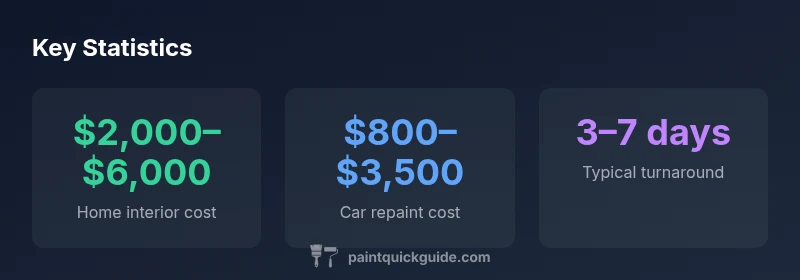
| Home interior repaint | Walls, ceilings, trims with premium finish | $2,000–$6,000 | 3–7 days |
| Exterior home painting | Siding, trim, doors | $4,000–$12,000 | 5–14 days |
| Vehicle repaint | Full-body repaint or color change | $800–$3,500 | 2–7 days |
| Commercial space painting | Walls, ceilings, common areas | $5,000–$20,000 | 5–14 days |
Your Questions Answered
What should I look for in a licensed paint shop near me?
Look for a current business license, up-to-date insurance, safety compliance, and verifiable references from recent clients.
Check licenses and references.
How do I compare quotes for different shops?
Request a detailed scope that itemizes materials, labor, and warranties; ensure apples-to-apples comparisons across shops.
Get a detailed, apples-to-apples quote.
What is color matching and why does it matter?
Color accuracy depends on lighting, base coats, and surface texture. Ask for swatches, test patches, and agreed-tolerance criteria.
Ask for test patches.
What kind of warranty should I expect?
Most shops offer a workmanship warranty; terms vary from 1 to 5 years depending on project scope.
Check workmanship warranty.
Is a custom paint shop worth it for my project?
Yes, for durability and tailored color, but balance higher upfront costs with long-term value and time savings.
Weigh cost vs time.
“A successful custom paint project hinges on a clear scope, transparency on materials, and a realistic timeline. Always insist on a written plan and a test patch.”
Quick Summary
- Ask for a detailed, written scope before any work.
- Verify licenses and insurance for all shops you consider.
- Request multiple quotes and compare warranties.
- Review portfolios for color matching and finish quality.