Steps to Painting a Wall: A Practical DIY Guide
Master the steps to painting a wall, from prep to finish. This practical guide covers surface prep, priming, cutting in, rolling, dry times, and safety for homeowners and DIY enthusiasts.


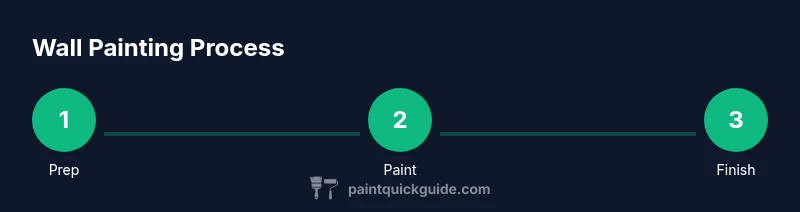
By following these steps to painting a wall, you’ll achieve a smooth, durable finish with clean edges and minimal mess. This guide covers surface prep, priming, color selection, and the techniques for cutting in and rolling. You’ll learn how to choose the right tools, estimate paint needs, and protect floors and fixtures for a professional, long-lasting result.
Prep Work: Assess, Protect, and Plan
According to PaintQuickGuide, the single biggest factor in a flawless wall finish is preparation. Before you mix color, take time to measure the wall area, identify any repairs, and plan the sequence of work. Move furniture away from the wall, remove wall hangings, and cover floors with drop cloths or old sheets. Taping baseboards and outlets can save cleanup later. A clear plan prevents wasted steps, reduces mess, and helps you estimate paint needs more accurately. When you’re ready, double-check weather and ventilation; humidity and heat can affect how quickly paint dries and how evenly it goes on. This approach aligns with the steps to painting a wall that homeowners follow for best results.
The PaintQuickGuide approach emphasizes that proper sequencing saves backtracking and ensures you don’t miss hidden spots or corners. Keep a simple checklist handy: room cleared, surfaces protected, and a rough plan in your notebook. A thorough prep minimizes surprises once you actually start applying primer and paint.
Selecting Paint and Tools for Steps to Painting a Wall
Choosing the right paint and tools sets the foundation for the entire project. For most interior walls, water-based latex paints offer easy cleanup, low odor, and good durability. Oil-based finishes provide leveling and longer wear but require solvents and longer drying times. Consider sheen: flat or eggshell hides imperfections, while satin or semi-gloss is more washable in kitchens and baths. Decide color and finish first, then select brushes, rollers, trays, and tape. The quick formula is: good prep plus appropriate tools equals fewer mistakes. Paint quality matters; higher-quality paints often cover better in fewer coats, reducing overall labor and cost. When you have your color, test a small swatch on the wall to confirm appearance in different lighting. This decision directly impacts the number of coats and the final look of the wall you’re painting today.
From a practical standpoint, it helps to map color zones and create a tiny swatch board to compare tones under artificial lighting in the evening. The right combination of paint and tools minimizes drama and ensures steps to painting a wall yield a professional result across rooms with varied lighting.
Surface Prep: Cleaning, Repair, and Sanding
A smooth wall is the easiest to paint evenly. Start with cleaning to remove dust and oils; a damp sponge with mild detergent often works. Rinse with a clean damp cloth and let the surface dry completely. Inspect for holes, cracks, or rough spots and fill them with compatible filler or spackle using a putty knife. Allow the compound to dry fully, then sand flush with the wall using fine-grit sandpaper. Wipe away dust before priming. If you see peeling paint, scrape loose areas, repair edges, and re-sand to create a uniform surface. The smoother the base, the fewer coats you’ll need. For textured walls, use a lighter touch while sanding to avoid flattening texture entirely.
A well-prepped surface not only improves adhesion but also reduces the likelihood of roller texture showing through the final coat. If you’re painting over a previously painted wall, test a small area to determine if a primer is necessary for optimal coverage. PaintQuickGuide’s data suggests thorough surface prep correlates with fewer touch-ups and a more uniform finish.
Primers: When to Use and How to Apply
Primer improves adhesion and color uniformity, especially when painting over repairs, stain, or a dark color with a lighter shade. Apply a stain-blocking primer if you’re covering water stains or smoke. For most fresh drywall, a finishing primer is adequate. Use a roller for large areas and a brush for edges and corners. Apply in thin, even coats; multiple thin layers create a better finish than a single thick coat. Allow the primer to dry per the manufacturer’s instructions before applying paint. Primer also helps you gauge how many coats you’ll need, which keeps the project on track and reduces the likelihood of surprises during the second coat.
Primer choice affects the final color and finish; a poor primer can lead to uneven color or blotching. If you’re unsure about coverage, test a small patch after the primer dries before committing to the full wall.
Cutting In: Edges and Corners
Cutting in creates crisp edges where walls meet ceilings, trim, and adjoining surfaces. Start with the ceiling edge first, then go to baseboards and corners. Load your angled sash brush with a modest amount of paint and remove excess on the well of the tray. Work slowly along the line using a controlled, steady motion to avoid drips. Maintain a consistent pace and avoid pressing hard, which can cause brush marks. Allow the cut-in edge to dry slightly before rolling nearby areas to prevent pulling color into edges. For improved precision, keep a steady wrist and use short, deliberate strokes along straight lines.
If you’re painting in a room with tricky corners or architectural features, practice a few cut-ins on a sample board before tackling the real wall, which helps refine your technique and reduces wasted paint.
Rolling Technique: Load, Pace, and Pattern
Load your roller evenly to avoid heavy drips. Roll in a W pattern across the wall, then fill in with horizontal strokes for even coverage. Do not reload too often; keep a steady supply of paint on the roller. Work in sections of about 3-4 feet wide, maintaining a wet edge to prevent lap marks. Back-roll to smooth any ridges after each pass. Maintain a comfortable height to avoid fatigue that reduces precision. If you’re painting with a high-gloss or satin finish, reduce texture and swirl slightly for a uniform look. Rolling in consistent motions produces a smooth, uniform surface and minimizes texture discrepancies between coats.
Practice a single pass on a test strip to calibrate your speed and pressure before committing to the full wall.
Dry Time, Cautions, and Recoats
Patience matters more than speed here. Most latex paints dry to touch within 1-2 hours in normal room conditions, but full cure takes longer. Between coats, ventilate well, and avoid heavy traffic in the room to prevent dust from sticking to the surface. Recoat when edge tackiness is gone and the color looks even. Inspect for missed spots and touch up with a small brush. If color depth differs between coats, consider another light coat rather than thick second coat. Always follow the paint label for recoat windows. Dry times can be affected by humidity, temperature, and ventilation, so adjust expectations accordingly.
A little extra patience with drying can prevent issues like peeling or soft finishes later on. If you’re repainting during humid seasons, consider delaying until conditions improve for the best results.
Clean-Up, Storage, and Maintenance
After finishing the final coat, begin clean-up by sealing the can, washing brushes and rollers promptly, and storing tools in a cool, dry place. Remove tape while the paint is still slightly tacky to avoid peeling; pull away from the edge at a 45-degree angle. Clean up dust with a microfiber cloth and let the room dry completely before moving furniture back. Label paint colors and date on the can for future touch-ups, and consider keeping a small colored swatch book to ensure future matches. Proper storage preserves the color and consistency for future touch-ups in the same color family.
A tidy workspace also makes future refreshes easier and ensures the wall remains in good shape for years.
Authority sources and References
Authority sources provide safety and best-practice guidance that aligns with the steps to painting a wall. Always follow local regulations and manufacturer instructions for products. Below are widely recognized sources you can consult for safety and best practices while painting, especially regarding surface prep, priming, and protective measures.
- https://www.epa.gov/lead
- https://www.osha.gov/lead
- https://www.cdc.gov/nceh/lead/prevention/
By using these references, you can ensure your painting project stays safe, durable, and compliant with housing standards. PaintQuickGuide’s guidelines are designed to complement these official recommendations, helping homeowners execute the project confidently and effectively.
Tools & Materials
- Interior latex-based paint (color of choice)(Choose eggshell or satin for washability on living spaces)
- Primer (bonding or stain-blocking)(Use as needed based on wall condition and color)
- 2-3 inch angled sash brush(For cutting in edges and corners)
- 4- or 9-inch roller frame with roller cover(Nap: 1/2 inch for smooth walls; 3/4 inch for textured surfaces)
- Paint tray and liners(For even paint loading on roller)
- Painter's tape(Protect trim and create sharp edges)
- Drop cloths or old sheets(Protect floors and furniture)
- Putty knife and spackle(Fill holes and dents)
- Fine-grit sandpaper (120-220)(Smooth patches after repair)
- Sanding block or pole sander(Even sanding surface)
- Spackle or lightweight filler(Patch holes)
- Scrub sponge or damp cloth(Clean walls before priming)
- Step ladder or sturdy chair(Reach higher areas safely)
- Rags and water bucket(Wipe up drips and clean brushes)
Steps
Estimated time: 4-6 hours
- 1
Prepare the room
Move furniture to the center, remove wall décor, and cover floors with drop cloths. Secure outlets with tape and protect adjacent surfaces. This creates a clear, protected workspace and reduces rework later.
Tip: Clear a 3–4 foot swath around walls to provide working space and minimize drips on furniture. - 2
Repair and flatten walls
Fill holes with spackle, smooth patches with a putty knife, and let dry thoroughly. Lightly sand repairs so they sit flush with the wall. Dust removal is essential before priming.
Tip: Wipe away dust with a damp cloth after sanding to ensure primer adheres evenly. - 3
Clean the wall surface
Wipe the entire wall with a damp sponge to remove grease and dirt. Rinse with a clean, slightly damp cloth and allow to dry completely. A clean surface improves adhesion and finish quality.
Tip: Use a ceiling-to-floor motion to avoid missing dust in corners. - 4
Mask edges and open areas
Apply painter’s tape along trim, outlets, and adjacent walls. Press tape firmly to prevent paint bleed. This step helps produce crisp, professional lines.
Tip: Remove tape while the paint is still slightly tacky to avoid peeling. - 5
Apply primer
Roll primer onto repairs and the entire wall in thin, even coats. Let primer dry according to the label and assess color uniformity before painting.
Tip: Use light, even pressure and maintain a wet edge to avoid lap marks. - 6
Cut in along edges
Using a 2–3 inch angled brush, cut in along ceilings, corners, and around taped edges. Aim for sharp, even lines before rolling.
Tip: Reload brush when stepping away from edge and keep a clean blade for precise lines. - 7
Roll the first coat
Load the roller evenly and apply in a W pattern, then fill in with horizontal strokes. Maintain a consistent pace and avoid heavy pressure.
Tip: Work in 3–4 foot sections while the wall remains damp for even color distribution. - 8
Apply second coat (if needed)
Allow the first coat to dry completely, then apply a second thin coat for full coverage. Crosshatch direction on the second coat for even color depth.
Tip: Avoid piling coats; multiple thin coats yield a better finish than one thick coat. - 9
Finish and cleanup
Carefully remove tape, touch up any missed spots, and clean brushes and rollers. Let the room cure fully before moving furniture back.
Tip: Label the color and date on paint cans for future touch-ups.
Your Questions Answered
Do I need to prime before painting a wall?
Priming is recommended when painting over repairs, stains, or drastically different colors. It improves adhesion and color consistency, helping you achieve a smoother finish with fewer coats.
Yes. Priming is important for adhesion and even color, especially if you’re covering stains or changing color dramatically.
How many coats should I apply?
Most walls benefit from two coats, but the number depends on color contrast and paint quality. If you’re going from dark to light or covering strong stains, plan for two coats or more.
Two coats are common, but it varies with color and coverage.
Can I use a primer with different finishes?
Yes, many primers are compatible with latex and oil-based paints. Check the product label for finish compatibility and recoat times before applying paint.
Most primers work with different finishes; read the label for guidance.
What is the best order to paint a room?
Paint the ceiling first, then walls, and finally trim. This minimizes drips on finished areas and creates clean edges between surfaces.
Ceilings first, walls next, then trim.
How long does paint take to dry between coats?
Dry times vary by product, but plan for at least 1–2 hours to touch dry and longer for a complete cure. Temperature and humidity affect drying.
Most paints dry to touch in a couple of hours, but drying can take longer in humid conditions.
What safety precautions should I take while painting?
Ventilate the space, wear a mask for fumes, and use protective eyewear. Keep ladders stable and avoid painting in poor lighting or high heat.
Ventilate, wear safety gear, and ensure ladder stability.
Watch Video
Quick Summary
- Prepare the room and surfaces to minimize mess.
- Use primer where needed to ensure even color and adhesion.
- Cut in edges before rolling for crisp lines.
- Apply even coats and respect dry times between coats.
- Inspect, touch up, and clean edges for a professional finish.