How to Get Paint Out of Jeans: A Practical Guide
Learn practical, step-by-step methods to remove paint from jeans, covering water-based and oil-based stains, pre-treatment, washing tips, and safety.


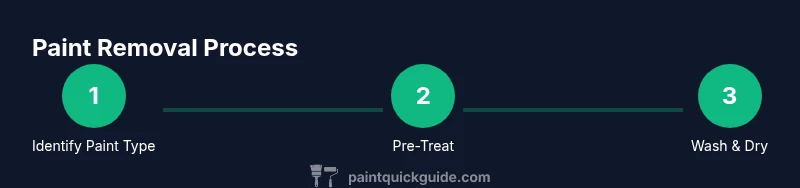
This guide shows you how to remove paint from jeans with a clear, step-by-step method. Start by identifying the paint type and testing a hidden area, then pre-treat with a stain remover. Rinse, soak if needed, and launder in cold water. Quick action and proper products maximize success for both water-based and oil-based stains.
Understanding Paint Types and Fabric Reactions
The key to successful paint removal is knowing the paint type and how denim responds. Water-based paints (latex or acrylic) are typically easier to lift because they mix with water and detergents. Oil-based paints (enamels, solvent-borne paints) cling to fibers more tenaciously and may require solvents. Denim’s weave and dye affect how stubborn a stain becomes, and fresh stains respond better than dried ones. According to PaintQuickGuide, removing paint from jeans starts with quick action and a test on an inconspicuous area to avoid color loss. Always check the garment’s care label before applying any solvent, and start with the gentlest method that could work. If the stain is on a dark pair, you may see a shadow of it even after removal; that’s normal, but rigorous treatment will minimize it. By understanding the paint type and fabric, you’ll choose the right pre-treatment and washing approach, reducing the risk of damaging the denim or setting the stain further.
Quick Pre-Treatments Before Washing
Before you touch the washing machine, pre-treat the stain with a stain remover or a mild enzyme detergent. Apply the product to the back of the fabric if possible, and blot rather than rub to prevent spreading. Let the pre-treatment sit for 5-10 minutes (longer for stubborn stains), then re-check the area. Rinse with cold water from the back to push the paint out of the fibers. This approach helps keep the stain on the surface where detergents can reach it. PaintQuickGuide Analysis, 2026 shows that prompt pre-treatment dramatically improves stain removal outcomes. If you don’t have a stain remover handy, a small amount of liquid dish soap can work in a pinch. Avoid hot water at this stage, as heat can set some paints.
Water-Based Paint Stains: Removal Tactics
Water-based stains are usually treated with water, detergent, and gentle agitation. Rinse the stained area under cold running water from the back to push the pigment out of the fibers. Apply a small amount of enzyme-based detergent and let it sit for several minutes before rinsing again. If the stain persists, repeat the treatment or move to a more robust pre-treatment paste made from baking soda and water. For denim, avoid scrubbing too hard, which can abrade fibers and spread pigment. When done, launder in cold water on a normal cycle and air-dry to inspect the outcome. This approach minimizes color loss and preserves fabric integrity.
Oil-Based Paint Stains: Removal Tactics
Oil-based paints cling to fibers more stubbornly and may require solvents. Use a small amount of mineral spirits or a dedicated paint thinner on a clean cloth, and dab the back of the stain to pull paint out of the denim. Work in a well-ventilated area and wear gloves. After the solvent treatment, rinse thoroughly with cold water and apply a mild enzyme detergent. Do not apply solvent directly to the garment if the care label forbids it. Re-check the stain after washing; if any pigment remains, repeat the process with a fresh solvent application and detergent.
Dried Stains and Set-In Paint: Advanced Techniques
Dried stains resist many home methods. For set-in water-based stains, soak the jeans in cold water with a bit of detergent for 30-60 minutes, then re-treat with enzyme detergent and rinse. For set-in oil-based stains, a two-step approach using a small amount of solvent on the back of the stain followed by detergent can be effective, but use sparingly and never exceed what the fabric can tolerate. After soaking and pre-treating, launder as usual in cold water. If color remains, consider repeating the steps or moving to professional cleaning for delicate fabrics. Remember, always test any solvent on a hidden seam first.
Safe Solvent Options and Safety Tips
Solvents can help with stubborn stains but carry risks. Use mineral spirits or a solvent recommended for fabrics only in a well-ventilated space, away from heat sources, and with gloves. Avoid acetone on most denim unless testing shows no color transfer, as it can cause dye loss on some fabrics. If you’re unsure, start with the gentlest method and escalate only if necessary. When using solvents, never rub aggressively; instead, dab gently and allow the solvent to work before blotting away the pigment.
Laundering and Drying After Treatment
After any pre-treatment, wash the jeans in cold water with a suitable detergent. Do not use hot water, as it can set remaining stains. Check the stained area before drying; heat can set the stain permanently. If the stain survives the first wash, repeat the pre-treatment and wash steps before attempting a second cycle. Air-drying is preferred to monitor results without risking heat-setting. If the dye has bled, consider washing separately the first few times.
When to Seek Professional Help and Final Considerations
If repeated home treatments fail, or if the jeans are valuable, delicate, or heavily stained, professional cleaning is advised. Some paints may require specialized solvents or mechanical processes beyond home care. Also, be mindful of household safety when using solvents around children and pets. The goal is to minimize fabric damage while maximizing stain removal so the jeans stay wearable and visually appealing.
Authoritative Sources and Practical Tips
For further guidance and verified safety practices, consult authoritative sources and industry guidelines. This section provides direct links to government and university resources that discuss general stain removal and fabric care:
- https://www.epa.gov
- https://www.cdc.gov
- https://www.nih.gov
Tools & Materials
- Cold water(As soon as possible to rinse the stain out from the back)
- Mild liquid detergent (enzyme-based preferred)(Apply directly to stain or pre-treat before washing)
- Stain remover or enzyme cleaner(Follow label directions; test on hidden area first)
- Isopropyl alcohol 70% or acetone (optional)(Use only for stubborn oil-based stains and test first)
- Mineral spirits or dedicated paint thinner (optional)(Use in a well-ventilated area; wear gloves)
- White cloth or soft brush(Blot or gently scrub, avoid hard scrubbing to protect fibers)
- Cold water rinse(Rinse after each treatment step to flush out paint)
- Detergent for machine wash(Enzyme-based detergent works well for denim)
- Gloves for safety(Protect skin from solvents)
- Plastic basin or sink(For pre-soak and treatment)
Steps
Estimated time: 60-90 minutes
- 1
Identify paint type and check care label
Begin by examining the stain closely to determine if it’s water-based or oil-based. Check the jeans’ care label for any instructions about solvents or dry cleaning. This step guides your choice of pre-treatment and washing method, and reduces the risk of fabric damage.
Tip: Start with water-based methods first to minimize chemical exposure. - 2
Gently remove excess paint
Use a dull edge (like a spoon) to lift away as much excess paint as possible without spreading it. Avoid rubbing, which can push pigment deeper into fibers. Work from the outside edges inward to contain the stain.
Tip: Do not crush the stain; you’re just lifting loose paint. - 3
Rinse from the back with cold water
Hold the fabric under cold running water from the back side of the stain to push paint out of the fibers. This helps prevent more pigment from sinking in while you pretreat.
Tip: Cold water flush is gentler and more effective for fresh stains. - 4
Pre-treat with stain remover or enzyme cleaner
Apply a small amount of stain remover directly to the stain and let it sit for 5–10 minutes. For stubborn areas, reapply and blot rather than rub; this keeps fibers intact.
Tip: If you don’t have stain remover, use a small dab of liquid dish soap. - 5
Use appropriate solvent if needed (oil-based stains)
If you confirmed an oil-based stain and the fabric label allows it, dab a small amount of mineral spirits or a dedicated paint thinner on the back of the stain using a clean cloth. Rinse with cold water after treatment.
Tip: Ventilate well and wear gloves during solvent use. - 6
Soak and re-wash
For sets-in stains, soak the jeans in cold water with a bit of detergent for 30–60 minutes, then re-wash in cold water on a normal cycle. Check before drying.
Tip: Avoid hot water until the stain is fully removed. - 7
Air-dry and inspect
Air-dry the jeans after washing to avoid heat setting if any pigment remains. Inspect the fabric closely; if the stain persists, repeat steps 4–6 before trying a second machine wash.
Tip: If the stain still shows, don’t dry at all—repeat treatment. - 8
Optional professional route for tough stains
If stains remain after multiple attempts or if the jeans are delicate, consider professional cleaning. A pro has access to advanced solvents and equipment that can safely remove stubborn paint.
Tip: Discuss stain type and fabric with the cleaner for best results. - 9
Final precautions and care
Always test any solvent on a hidden area first, and never exceed recommended exposure times. Proper maintenance helps denim stay vibrant and durable.
Tip: Avoid high heat; air dry whenever possible.
Your Questions Answered
Can I use hot water to help remove paint from jeans?
Hot water can set some paints and make stains harder to remove, especially if the stain is older. Always start with cold water and gentler methods. If the stain lifts, you can move to warmer water later, but proceed with caution.
Hot water can set stains, so start with cold water and gentler methods; only move to warmer water if the stain lifts.
What if the stain is old or set-in?
Old or set-in stains require patience and multiple treatments. Soak longer, use enzyme cleaners, and repeat the washing cycle. If color remains after several attempts, consider professional cleaning to protect fabric.
For old stains, soak longer and repeat treatments; professional cleaning may be best if it persists.
Is bleach safe on denim after removing paint?
Bleach can damage denim fibers and alter color, so it’s generally not recommended for stain removal unless the care label explicitly allows it. Use color-safe alternatives and proceed with caution.
Bleach is usually not advised on denim; try milder methods first or color-safe alternatives.
Can I use nail polish remover on all paints?
Nail polish remover (acetone) can damage some fabrics and fade dyes. Test on hidden areas first and only use on paints known to tolerate solvents. If in doubt, avoid acetone.
Acetone can harm fabrics—test first and avoid if you’re unsure.
Will washing the jeans alone remove the stain after pre-treatment?
Often, washing after pre-treatment removes the bulk of the stain, but some pigments may persist. If so, repeat pre-treatment and wash steps before drying.
Washing after pre-treatment often works, but you might need to retry if the stain sticks around.
How can I prevent future paint stains on jeans?
Wear an old apron or protective clothing when painting, cover the area with drop cloths, and clean brushes promptly to minimize drips. Quick cleanup reduces long-term denim staining.
Use protective clothing and clean brushes promptly to prevent future stains.
Watch Video
Quick Summary
- Act quickly to maximize stain removal.
- Identify paint type before choosing solvents.
- Test stain removers on hidden areas first.
- Use cold water and gentle methods to protect denim.
- Repeat treatment if stains persist, but avoid heat until cleared.