How to Remove Acrylic Paint from Clothes: A Practical Guide
Learn proven methods to remove acrylic paint from clothes with step-by-step instructions, fabric care tips, and safe solvents. Actionable techniques cover cotton, synthetics, and delicates, with brand-backed guidance from PaintQuickGuide.


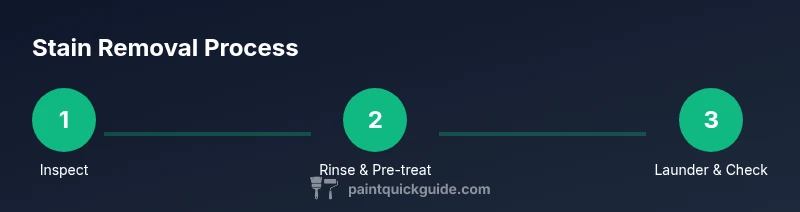
Rinse the stained area with cold water, blot gently, then apply liquid detergent or a stain remover. Gently rub, then launder according to fabric care instructions on a cold cycle. For stubborn spots, dab with isopropyl alcohol or an acetone-free remover on a hidden area, testing first. Do not heat-dry until the stain is fully removed.
Why Acrylic Paint Stains are Tough on Clothes
Acrylic paint stains are a common mess for DIYers, crafters, and households. If you’re looking for how to remove acrylic paint from clothes, you’re not alone. According to PaintQuickGuide, acrylic paint dries quickly and bonds to fabrics, forming a plastic-like film that resists simple washing. That’s why fast, deliberate steps matter. This guide explains practical, fabric-safe methods you can use at home, with emphasis on safety and preserving your wardrobe. We cover how the stain forms, what tools to gather, and how to adapt techniques for cotton, polyester, wool, and blends, so you can salvage stained garments without professional cleaning. The aim is to empower you with clear, actionable steps that minimize damage and maximize stain removal success.
What Makes Acrylic Paint Hard to Remove
Acrylic paints are water-based when wet, but they quickly dry into a polymer matrix that adheres to fibers. The primary binders are acrylic polymers that resist water and detergents once cured. Heat can set the stain, making removal harder, and color intensity influences how obvious the stain remains after washing. Understanding these basics helps you choose the right approach: quick rinsing, mechanical action, and the correct solvent, all while protecting the fabric. Painting projects on fabrics often leave layered paint that requires patience and a systematic approach, especially on blends or delicate materials.
Quick Prep and Safety Before You Start
Before you begin, read garment care labels. Wear gloves to protect skin from solvents and work in a well-ventilated area. Protect surfaces with a drop cloth or old towel. Gather essential tools: cold water, liquid detergent or dish soap, stain remover or prewash spray, white cloth or sponge, a soft-bristle brush, and optional solvents like isopropyl alcohol or an acetone-free remover for stubborn spots. Always test any solvent on an inconspicuous seam to avoid color loss. These precautions help you avoid damaging fabric or furniture and set you up for a successful stain removal.
Fabric Considerations: Cotton, Polyester, Wool
Cotton fabrics typically tolerate more aggressive treatment, including gentle brushing and enzyme detergents. Polyester is more stain-resistant but can be dyed or damaged by strong solvents, so use milder methods first. Wool and other delicate fibers require extra care: avoid vigorous scrubbing and skip high-heat options that can felt or shrink. For each fabric type, start with cold water rinsing, then apply stain remover or detergent, and test any solvent on a hidden area before broader use. The goal is to lift the pigment without compromising fiber integrity.
The Core Removal Method (Fresh Stains)
When paint is fresh, you have the best chance to lift it without leaving a mark. Rinse the back of the stain with cold water to push pigment out of the fibers. Blot with a white cloth to absorb moisture without rubbing. Apply a small amount of liquid detergent or stain remover directly to the stain and let it sit for a few minutes. Gently rub with a soft brush. Rinse again with cold water and launder following the garment’s care label on a cold cycle. Air-drying after washing helps you assess results without setting any remaining pigment.
When Stains Are Set: Using Alcohol-Based Reagents
Set stains require a careful approach. For non-delicate fabrics, dab a small amount of isopropyl alcohol (70%) or an acetone-free remover onto a clean cloth and dab at the stain from the outside toward the center. Do not pour solvent directly on fabric. Work slowly, then rinse with cold water and rewash. Always test on an inconspicuous area first and avoid using strong solvents on delicate fibers. If color fades, stop and consider professional cleaning for the garment.
Using Commercial Stain Removers Safely
Commercial stain removers can be effective partners to home methods. Choose one that’s enzyme-based for best results on organic stains, and follow label directions. Apply to the stain, wait the recommended time, and wash on the cold cycle with a regular detergent. If you’re unsure about fabric safety, test on an inconspicuous seam first. For stubborn or multi-layered paint, repeat the pre-treatment and washing steps rather than jumping to harsher solvents.
Laundering and Drying: Best Practices
After pre-treating, launder the garment according to the label using cold water and an appropriate detergent. Do not use hot water or place the item in the dryer until you are certain the stain is gone; heat can set the pigment permanently. Check the stain before drying. If any pigment remains, repeat the pre-treatment and washing steps. Dry the item in a way that minimizes color transfer to other fabrics, preferably air-drying flat or hanging away from direct sunlight.
Troubleshooting: When to Seek Help
If the stain persists after multiple attempts, or if the fabric is delicate (silk, wool, leather) or expensive, consider professional cleaning. Some blends and synthetics respond poorly to home methods, and aggressive solvents can cause color fading or fiber damage. In such cases, a dry-cleaning service with explicit instructions about the stain type and fabric content is a wise choice. Document the stain and the steps you’ve taken for the cleaner to tailor their approach.
Final Notes: Keeping Clothes Looking Fresh
Stains are part of life, but early action dramatically improves outcomes. Keeping a small stain-removal kit on hand makes it easier to act quickly. For future projects, place aprons or dedicated clothing near your craft area to minimize accidental splashes. With consistent methods and careful testing, you’ll have a reliable approach to preserving clothes and reducing waste from acrylic paint mishaps.
Tools & Materials
- Cold water(For rinsing and initial stain flush)
- Liquid laundry detergent or dish soap(Enzyme-based detergents preferred; test on fabric)
- Stain remover or prewash spray(Direct application to stain; follow directions)
- White cloth or clean sponge(For blotting and lifting paint)
- Soft-bristled brush or old toothbrush(Gently agitate without fiber damage)
- Isopropyl alcohol (70%)(For set stains on non-delicate fabrics)
- Acetone-free nail polish remover(Light dab on tiny areas; test first)
- Color-safe laundry detergent(Use if colorfastness is questionable)
- Washing machine or basin for hand washing(Follow garment care label)
- Protective gloves(Protect skin from solvents)
Steps
Estimated time: 1-2 hours
- 1
Inspect garment and prepare area
Read the care label to know water temperature and washing method. Set up a clean workspace and protect surfaces. Decide on the removal path based on fabric type and paint amount.
Tip: Lay a towel under the stained area to catch drips and prevent transfer. - 2
Remove excess paint
Use a dull edge (like a spoon) to lift excess paint without spreading it. Avoid rubbing the stain at this stage to prevent embedding pigment deeper into fibers.
Tip: Work from the outside edge toward the center to minimize spreading. - 3
Rinse from back to front with cold water
Turn the garment inside out and run cold water through the back of the stain to push pigment out. This reduces the chance of the paint embedding deeper.
Tip: If running water is hard, blot with a damp cloth to remove pigment layers. - 4
Pre-treat with detergent or stain remover
Apply a thin layer of liquid detergent or stain remover directly to the stain. Let sit for 5–10 minutes, then gently rub with a soft brush.
Tip: Do not saturate delicate fabrics; keep treatment light and tested on a hidden area first. - 5
Rinse again and launder on cold
Rinse thoroughly with cold water and launder according to the care label, using an enzyme-based detergent if possible. Check before drying.
Tip: If the stain persists, repeat treatment rather than using heat. - 6
Use alcohol for set stains (optional)
For stubborn spots on non-delicate fabrics, dab with isopropyl alcohol on a cloth and blot away from the center outward. Rinse and launder again.
Tip: Test on a hidden seam first to avoid color loss. - 7
Air-dry and inspect
Let the garment air dry away from direct heat or sunlight. Inspect the stain in good light; repeat treatment if necessary.
Tip: Avoid dryer heat until you’re sure the stain is fully removed. - 8
If still stained, seek professional help
For delicate fabrics or persistent stains, professional cleaning may be the safest option.
Tip: Provide details about stain age and fabric type to the cleaner. - 9
Prevent future stains
Consider a dedicated apron or old clothing for painting projects. Pre-treat frequently stained areas with a shield spray if appropriate.
Tip: Keep stain-removal supplies accessible in your craft area.
Your Questions Answered
Can I use heat to speed up drying of the painted cloth?
No. Applying heat can set the acrylic pigment and make removal harder. Let the fabric air-dry after treatment and confirm stain removal before using a dryer.
No—heat can set the stain. Air-dry first and only use heat if the stain is fully removed.
Is acetone safe to use on fabrics to remove acrylic paint?
Acetone can damage many fibers and cause color loss. Prefer acetone-free removers or isopropyl alcohol, and always test on a hidden area first.
Acetone can harm fabrics; use safer solvents and test first.
Does fabric type affect removal methods?
Yes. Cotton can tolerate stronger treatment, while synthetics and delicate fibers require gentler methods and more testing before proceeding.
Fabric type matters; test and adjust methods accordingly.
What if the acrylic stain has dried for a long time?
Long-dried stains are harder to remove. You may need multiple cycles, stronger pre-treatments, or professional cleaning, especially on delicate fabrics.
Dried stains are tougher; multiple treatments or a cleaner may be needed.
Should I dry-clean stained garments after home treatment?
For delicate fabrics or large stains, dry-cleaning can be safer. Explain the stain and fabric to the cleaner so they can tailor their approach.
Dry-cleaning can be safer for delicate fabrics; share details with the cleaner.
Can I mix household solvents to improve results?
No. Mixing solvents can create dangerous fumes or damage fabrics. Use one method at a time and follow product directions.
Avoid mixing solvents; use one method at a time.
Watch Video
Quick Summary
- Act fast to maximize stain removal potential
- Rinse, pre-treat, and wash in cold water
- Test solvents on hidden areas first
- Avoid heat until the stain is fully gone
- Repeat steps if needed for stubborn stains