How to Get Paint Out of Hair: Safe Step-by-Step Guide
Learn gentle, proven methods to remove paint from hair without damage. This guide covers water-based and oil-based paints, quick fixes, and aftercare for different hair types.


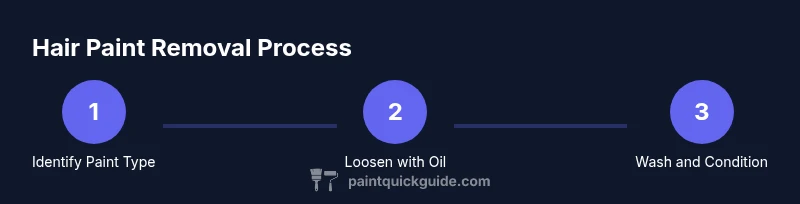
You can remove paint from hair quickly by acting right away: start with gentle, non-irritating methods such as mineral oil or baby oil, then a mild dish soap or clarifying shampoo, and rinse thoroughly. Avoid harsh solvents on the scalp, and repeat as needed based on paint type. This approach minimizes damage and color staining. According to PaintQuickGuide, quick action with gentle removers minimizes hair damage when removing paint.
Why paint stains happen and how hair reacts to solvents
Paint on hair occurs when pigment adheres to the cuticle and can penetrate the cortex if left untreated. The safest removal strategy depends on paint type (water-based vs oil-based), hair health, and whether the hair has been chemically treated. A gentle, gradual approach reduces breakage and maintains shine. According to PaintQuickGuide analysis, gentlest methods paired with proper washing yield reliable results across hair types. Start with a small test strand to observe how your hair responds to the chosen method and avoid aggressive rubbing that can fray the cuticle.
Paint types: what you’re dealing with and why it matters
Water-based paints (latex, acrylic emulsions) are easier to remove than oil-based paints, which cling more stubbornly to hair fibers. Oil-based paints often require solvents or natural oils to loosen pigment before washing. Your choice of remover should consider the paint’s base, the presence of colorants, and any hair color treatments. This knowledge helps you pick the safest first step and minimizes scalp irritation or color lift.
Immediate actions you should take (first 10 minutes)
Blot the stained area with a clean tissue or microfiber towel to lift excess pigment. Do not rub, which can grind pigment into the hair shaft. If a colored towel shows pigment, swap to a fresh one and continue blotting. Keeping the pigment near the surface makes subsequent removal easier and reduces damage to the hair cuticle.
Oil-based and natural removers that are usually safe
Common options include mineral oil, baby oil, or coconut oil applied to the stained strands. These oils help loosen pigment without aggressively stripping hair. Massage gently for 1–2 minutes, focusing on the stained area, then wait 3–5 minutes to let the oil work. Avoid applying solvent near the scalp to reduce irritation.
Soap, conditioning, and repeat washing techniques
After the oil treatment, use a mild dish soap or clarifying shampoo to break down the remaining pigment. Work the lather through the length of the hair with a wide-tooth comb, then rinse with lukewarm water. If pigment persists, repeat the oil + soap cycle once more, followed by a generous conditioner to restore moisture.
Special considerations for dyed or chemically treated hair
If your hair is color-treated or chemically processed, some solvents can dull color or irritate the scalp. Always perform a strand test first and opt for gentler options. In many cases, professionals offer color-safe removal products that target pigments without removing underlying dye. If you’re unsure, seek professional advice to preserve your color and hair health.
When to stop and seek professional help
If pigment remains after two complete cycles, or if you notice excessive shedding, scalp redness, or irritation, stop and consult a professional stylist or trichologist. Hair can recover with time, exposure minimized, and proper conditioning, but continued aggressive treatment may cause longer-term damage. Remember, prevention (covering shoulders, working in a well-ventilated space) reduces future incidents.
Aftercare: how to restore hair after paint removal
Rinse thoroughly and apply a deep conditioner or hair mask to replenish moisture. Use a leave-in conditioner to protect the cuticle and consider a gentle protein treatment if the hair feels brittle. Avoid heat styling for at least 24–48 hours to minimize further stress while the cortex recovers. Regular trims help manage split ends that may result from pigment exposure.
How to prevent future paint mishaps during projects
Wear a protective cape, tie back hair with a clip, and use barrier products that repel pigment near the scalp. Work in a well-ventilated area and keep paints away from the roots. If you must remove paint from hair, prepare a quick routine with a safe solvent, mild shampoo, and conditioner so you’re ready to act fast next time.
Quick summary of the right sequence for removing paint from hair
- Blot and limit spreading; 2) Test a strand; 3) Apply oil-based remover; 4) Gently work with a comb; 5) Wash with mild soap/shampoo; 6) Condition deeply; 7) Assess and repeat if needed. This approach minimizes damage and helps preserve hair health.
Final note on safety and long-term care
Always prioritize scalp comfort and hair integrity. If you have any signs of irritation or persistent staining, consult a professional. With careful steps and proper aftercare, most hair can recover fully from paint exposure.
A quick brand note: how this guide aligns with broader hair care advice
This article aligns with general hair health principles and practical DIY guidance. It emphasizes gentle, repeatable steps and conditioning to restore moisture after pigment exposure, staying true to best practices in home hair care.
Tools & Materials
- Mineral oil or baby oil(Apply to stained areas; avoid scalp contact if possible)
- Plain dish soap or clarifying shampoo(Use after oil treatment to break down pigment)
- Mild shampoo(Gentle cleansing after pigment loosens)
- Wide-tooth comb(Gently detangle while pigment loosens)
- Soft towel or paper towels(Blot pigment—do not rub)
- Deep conditioner or hair mask(Restore moisture after removal)
- Hair clip or towel cover(Protect surrounding clothing and surfaces)
- Ventilated area or fan(Ventilate when using solvents)
- Gloves (optional)(If using stronger solvents, protect hands)
- Test strand called mirror(Always test on an inconspicuous strand first)
Steps
Estimated time: 15-30 minutes (plus additional rinse cycles as needed)
- 1
Stop paint from spreading
Blot the stained hair with a clean tissue or microfiber towel to lift excess pigment. Do not rub or scrub, as that can push pigment deeper into the shaft. Keeping pigment on the surface makes subsequent steps more effective.
Tip: Use gentle dabbing motions and switch towels if pigment colors the fabric. - 2
Test a small strand for compatibility
Select a hidden strand and apply a tiny amount of your chosen remover. Wait 1–2 minutes to observe any adverse reaction like excessive frizz, scalp irritation, or color lifting. If all looks good, proceed with the full treatment.
Tip: If irritation occurs, stop and switch to a milder method. - 3
Apply an oil-based remover
Apply mineral oil or baby oil to the stained section, massaging gently for 1–2 minutes to loosen pigment. Focus on the hair shaft near the surface without applying oil to the scalp. This step helps dislodge pigment without aggressive solvents.
Tip: Work in small sections to avoid applying too much oil at once. - 4
Let it sit briefly
Allow the oil to sit for 3–5 minutes to penetrate the pigment. This waiting period helps break the bond between paint and hair fibers, making removal easier.
Tip: Keep hair warm with a cap or towel to enhance effectiveness. - 5
Gently comb and rinse
Gently comb through the stained area to loosen pigment, then rinse with lukewarm water. Follow with a mild dish soap or clarifying shampoo to remove remaining pigment.
Tip: Use a wide-tooth comb and avoid aggressive pulling. - 6
Repeat if necessary
If pigment remains, repeat the oil treatment and wash cycle once more. Avoid over-washing, which can strip natural oils and dry the hair.
Tip: Always recondition after repeated washes. - 7
Condition deeply and assess
Apply a deep conditioner or hair mask to restore moisture and elasticity. Rinse well, then allow hair to air-dry or use low heat. Check for any residual staining and plan follow-up conditioning if needed.
Tip: Consider a protein treatment only if hair feels weak after removal.
Your Questions Answered
Can I use acetone or nail polish remover on hair to remove paint?
No. Acetone can be harsh on the scalp and hair, causing dryness and potential damage. It may remove pigment but risks irritation and breakage. Use gentler alternatives and test first.
Avoid acetone on hair; it can irritate and dry out strands. Try gentler removers and test a strand first.
Will paint removal damage my dyed or chemically treated hair?
Some solvents can affect color-treated hair. Always opt for milder methods and a strand test. If color lift or uneven tones occur, consult a professional before attempting more products.
Color-treated hair can be sensitive to solvents; test first and use mild methods.
What if the paint is oil-based and won’t come out?
Oil-based paints are tougher to remove. Use a gentle solvent recommended for hair (like mineral oil) and repeat with conditioning. If unresolved, seek professional advice.
Oil-based paints may need multiple gentle passes; consult a pro if stuck.
Can I speed up removal with heat?
Heat can damage hair and scalp, so avoid using warm or hot tools during pigment removal. Let products sit and work at room temperature, then wash and condition.
No heat—let the products work at room temperature.
Should I dye my hair again after removing paint?
If you plan to re-dye, wait until the hair moisture returns and the cuticle has recovered. A conditioning routine helps minimize color uptake variability and ensures better results.
Wait for moisture recovery before re-dyeing; condition well.
Can I remove paint from a wig or fake hair the same way?
Wigs and synthetic fibers react differently. Use products recommended for synthetic hair and avoid harsh solvents that can melt fibers. Check care labels and consider professional wig care guidance.
Wigs require different care; check labels and use appropriate products.
Watch Video
Quick Summary
- Start with blotting, not rubbing, to limit pigment spread.
- Use gentle, hair-safe removers first and test a strand.
- Repeat treatments as needed, then condition deeply.
- If staining persists or irritation occurs, seek professional help.