Can You Put Paint Over Stain? A Practical Home Guide
Discover whether you can paint over stain and learn the prep, primer choices, and step-by-step methods for a durable, even finish on wood and furniture.


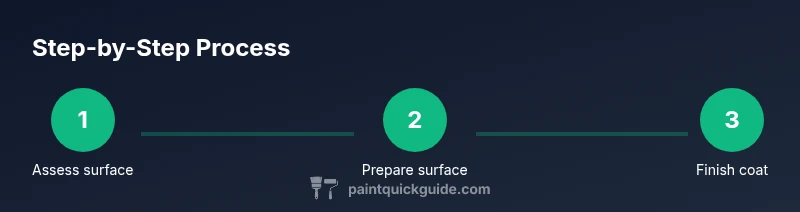
According to PaintQuickGuide, you can usually paint over stain, but success hinges on prep. Begin with a thorough cleaning, remove gloss with light sanding or a deglosser, and fix any damage. Apply a stain-blocking primer compatible with your paint (oil- or water-based). Tape, smooth, and let primer dry fully before applying your finish coat.
Why you might choose to paint over stain
If you're refreshing a wood piece or updating a stained finish, you’ll likely ask can you put paint over stain. The practical answer is yes in most cases, but success depends on proper prep and product compatibility. Stains can bleed through topcoats if they aren’t sealed, especially with resinous woods or knots. The goal is to create a sealed, uniform surface that the paint can bond to. Start by identifying the stain type (oil-based, water-based, or specialty stains) and noting how glossy the surface is. A high-gloss surface needs more prep than a dull finish. By investing time in cleaning, sanding or deglossing, and choosing a suitable stain-blocking primer, you dramatically reduce the risk of bleed-through, uneven color, or peeling later. In short, can you put paint over stain? Yes—when you prepare thoroughly and select the right primer and topcoat. PaintQuickGuide’s analysis shows that preparation has a bigger impact on final results than the exact brand of paint you select, so invest time here to avoid uneven color or peeling later.
Surface prep fundamentals
Preparation is the foundation of a durable paint-over-stain job. Begin by cleaning the surface with a mild detergent solution to remove dirt, grease, and residue. Rinse and let it dry completely. If the surface is glossy, use a deglosser or light sanding to dull the finish; this increases primer bonding. Lightly sand bare wood to roughen the surface, but avoid creating gouges. Protect surrounding areas with drop cloths and painter's tape. Once the surface is mechanically prepared, test a small area with your chosen primer to confirm adhesion and stain-blocking effectiveness. Proper surface prep reduces the chance of stain bleed and ensures a smooth, even topcoat.
When preparing a space for painting over stain, ensure good ventilation and keep kids and pets away from the work area.
Primer and paint choices for staining on wood
Choosing the right primer is crucial when painting over stain. A stain-blocking primer, including shellac-based or high-quality water-based options, helps seal in the pigment and prevents bleed-through. For oil-based stains, you might prefer a shellac or hybrid primer; for water-based stains, a vinyl or acrylic primer usually works well. Apply the primer in a thin, even coat, following the product’s drying times. After the primer dries, inspect for any dark popping through; if so, add another light coat and let dry. When you’re ready to paint, select a topcoat compatible with the primer and environment (indoor vs outdoor, humidity, etc.). Remember to roll or brush with the grain to achieve a consistent finish.
Common pitfalls and troubleshooting
Bleed-through: Even with primer, some stains may bleed if the surface is heavily saturated. In such cases, apply an additional primer coat and let it cure fully before painting. Peeling or flaking: If the old finish begins to lift, you must remove damaged areas and re-prime. Knot bleed and resin migration: knots can ooze resin; sealing knots with knot sealer before priming can prevent resin bleed. Gloss retention: overly glossy surfaces can resist primer; ensure adequate dulling or use a deglosser. Temperature and humidity: painting in extreme conditions can affect adhesion; work in a well-ventilated, moderate environment. Finally, consider safety: if your project involves lead paint, follow local regulations and seek professional help.
Tools & Materials
- Paint (latex or oil-based)(Choose type compatible with primer and room conditions)
- Stain-blocking primer(Shellac-based or high-quality water-based primer)
- Deglosser(Optional, for glossy surfaces)
- Sandpaper (180-220 grit)(For dulling glossy surfaces)
- Cleaner/detergent(Mild soap solution)
- Drop cloths(Protect floors and furniture)
- Masking tape(Edges and areas to protect)
- Safety gear(Gloves, goggles, mask)
- Paint tray/rollers/brushes(Tools suited to surface and paint type)
Steps
Estimated time: 2-6 hours
- 1
Inspect the surface
Assess the existing finish for peeling, cracking, or resin pockets. Document repairs before you begin to ensure a uniform topcoat.
Tip: Mark defects with painter's tape for easy revisit. - 2
Clean the surface
Wipe the area with a mild detergent solution to remove dirt, oils, and residue. Rinse and let dry completely before proceeding.
Tip: Avoid soaking wood; damp is fine but excess moisture can cause swelling. - 3
Reduce gloss
Lightly sand glossy areas or use a deglosser to dull the surface so primer can bond properly.
Tip: Wear a dust mask during sanding; wipe away dust with a tack cloth. - 4
Apply primer
Choose a stain-blocking primer compatible with your topcoat. Apply a thin, even coat and let dry per label.
Tip: If staining appears through after first coat, apply a second primer coat. - 5
Paint the first coat
Apply your chosen topcoat evenly using a brush or roller, following wood grain. Maintain a wet edge to avoid lap marks.
Tip: Work in small sections to avoid visible borders. - 6
Apply additional coats
Lightly sand between coats if needed and apply a second coat for even coverage.
Tip: Coats should cure fully before heavy use.
Your Questions Answered
Can you paint over stain on wood?
Yes, with proper prep. Clean, dull gloss, prime with a stain-blocking primer, then paint. Test a patch first.
Yes, with proper prep. Clean, dull gloss, prime, then paint. Test a patch first.
Is primer always necessary when painting over stain?
Typically yes, a stain-blocking primer helps prevent bleed-through and ensures a smooth finish.
Typically yes, a stain-blocking primer helps prevent bleed-through and ensures a smooth finish.
What if the stain bleeds through after the first coat?
Apply another thin coat of stain-blocking primer and allow to dry fully before repainting.
Apply another thin coat of stain-blocking primer and let it dry before repainting.
Does it matter if the stain is oil-based or water-based when painting over it?
Most finish systems require a compatible primer; consider the stain type when choosing primer and topcoat.
Most finishes need a compatible primer; pick primer based on stain type and topcoat.
Can you paint over old lead paint safely?
Lead paint requires specific safety procedures. If you suspect lead, consult local regulations and consider professional help.
Lead paint needs special safety steps; check regulations and consult a pro if needed.
How long should I wait between coats?
Follow the product labels; typical times vary by primer and paint type and environmental conditions.
Follow the product labels for drying times between coats.
Watch Video
Quick Summary
- Test adhesion before committing to a full coat.
- Use stain-blocking primer to seal stains.
- Clean and degrease for best bonding.
- Follow label directions for drying times.