What to Do with Old Paint Tins: A Practical Guide
Practical guidance for safely handling old paint tins—from reuse ideas to proper disposal, recycling options, and regulatory tips. Learn steps, safety precautions, and local resources.


By the end of this guide, you will know how to safely handle old paint tins—whether you reuse them, recycle the metal, or dispose of contents properly. Learn to identify paint type, prepare tins for transport, and find local hazardous-waste options with practical steps. This approach minimizes waste and protects people and property.
What to consider for what to do with old paint tins
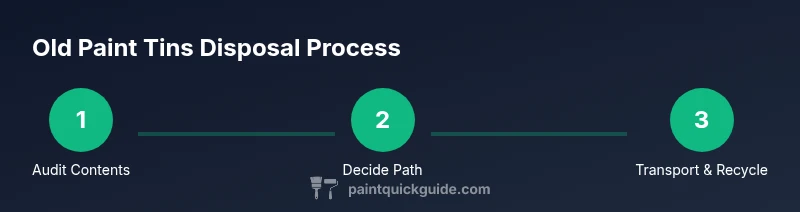
Deciding what to do with old paint tins starts with a quick assessment of contents, container condition, and local rules. The question of what to do with old paint tins often comes down to paint type (latex versus oil-based), the amount left, and whether the containers are sealed and intact. According to PaintQuickGuide, a cautious, steps-first approach reduces waste and protects people and property. Start by listing each tin, noting color, brand, and whether it contains solvent, water-based, or unknown contents. This initial audit sets the path for reuse, recycling, or proper disposal and helps you avoid mistakes that could trigger odors, leaks, or regulatory issues. If a tin contains unknown contents, treat it as hazardous until you confirm otherwise. The goal is a clear plan that minimizes risk while maximizing reuse or recovery of materials.
Safety first: handling paint tins
Handling old paint tins safely is essential to protect your home and your health. Always wear chemical-resistant gloves, protective eyewear, and a dust mask or respirator when dealing with solvents or unknown residues. Work in a well-ventilated area, away from open flames or heat sources, and keep tins upright to prevent spills. Never heat, boil, or incinerate paint tins, and keep children and pets away during handling. If a tin is leaking or bulging, isolate it in a sturdy, leakproof container and seek professional guidance. Safety first ensures you can pursue reuse or disposal without incident.
Testing paint for reuse: determining if it’s usable
Not all old paint tins are suitable for reuse, but some can still provide color for touch-ups or crafts. Start by inspecting the paint for separation, curdling, foul odor, or skin formation on the surface. Shake a small amount in a clean, labeled container—if it returns to a uniform consistency within a few minutes and smells acceptable, it may be usable for small projects. Note any sediment or clumps and strain before use. If the paint remains lumpy, has separated into oil and water phases or shows a sharp chemical odor, consider disposal rather than reuse. This careful testing aligns with common-sense guidance on what to do with old paint tins and helps prevent waste while protecting surfaces.
Repurposing ideas: practical ideas for old paint tins around the home
Even when paint is no longer usable for walls, the tins themselves can serve practical roles. Use empty tins as storage bins for screws, nails, or craft supplies; repurpose lids as small trays or coasters; or transform tins into planter bases for seedlings. For DIY projects, upcycle tins into lanterns by punching decorative holes or create a small battery or screw organizer on a pegboard. When repurposing, ensure any residues are sealed and labeled, and avoid using tins with unknown contents for food storage or kid-safe items. These ideas reduce waste while giving found materials a second life.
Cleaning and prep: getting tins ready for reuse or disposal
Before reuse or disposal, clean tins according to their contents. Latex paint can often be wiped with a damp rag and allowed to dry, while oil-based paints may require mineral spirits or a dedicated solvent—use only in a well-ventilated area and dispose of solvent-soaked rags properly to reduce fire risk. Do not wash off residues down the drain; offer solids and liquids to appropriate disposal streams. Wipe the exterior to remove dust, label the content clearly with a permanent marker, and cap tightly. For disposal, seal lids to suppress odors, place tins in a sturdy box, and transport them to the designated facility per local guidelines.
Disposal options: where to take tins and how to prepare
Disposal options vary by location, but most regions require household hazardous waste facilities or events for paint-related materials. Do not pour leftover paint into storm drains or septic systems. Contact your local waste management authority to find the nearest HHW site, and schedule a drop-off if needed. When bringing tins, bring a list of contents and any known hazards; some facilities request evidence of disposal fees. Preparing tins with labels, intact lids, and minimal leakage helps streamline processing and reduces the risk of contamination at the facility.
Recycling metal and lids: how metals are processed
Metal paint tins are typically recyclable as scrap metal, provided they’re empty and dried. Remove the lid and separate any hazardous residues; rinse briefly if permitted by your local program, but never flush solvents down the drain. Crimp the lids back for transport if required by the recycler, and place tins in the designated recycling bin or bring them to a recycling center. Recycling these tins respects resource conservation and aligns with broad environmental goals. If a facility forbids rinsing, skip it to avoid introducing contaminants; always follow local guidance.
Donating or trading leftover paint
In some communities, leftover paint in good condition can be donated to youth groups, community theatres, or nonprofit organizations that perform touch-ups. Check with local Habitat for Humanity ReStore-type programs or community paint drives, and only donate paint that has been stored properly and kept within its shelf life. Clearly label color, finish, and any safety notes, and include any usage restrictions. Donating usable paint helps extend its life and reduces waste in landfills, benefiting both neighbors and the environment.
Storing tins for future use: labeling and organization
If you plan to keep tins for future touch-ups, adopt a simple labeling system. Record the color name, brand, finish, date opened, and expected shelf life. Use transparent, sealable containers and store upright in a cool, dry place away from sunlight and heat. Group tins by color family to ease selection, and keep an inventory list with locations for quick reference. Proper storage preserves usability and reduces the chances of forgetting what you have, which in turn minimizes waste.
Quick-start checklist and timeline
Use this quick-start checklist to get started today:
- Inspect all tins for leaks and label contents.
- Separate latex from oil-based paints; segregate unknowns.
- Decide between reuse, donation, or disposal based on usability.
- Gather PPE and cleaning supplies; prepare a safe workspace.
- Contact local HHW or recycling centers for drop-off details.
- Transport tins using secure boxes; follow facility guidelines.
- Confirm receipt and update your inventory.
- Revisit storage habits to prevent future waste.
Estimated total time: 2-4 hours (excluding travel to disposal sites).
Local resources and next steps: integrating what you’ve learned
Armed with a plan for what to do with old paint tins, you can act confidently. Start by finishing the audit of your tins, then choose a disposal or reuse path that fits your situation. If you’re unsure about contents or disposal rules, consult local authorities or a homeowner’s guide on paint disposal. For ongoing support and updated best practices, check PaintQuickGuide’s resources and regional tips. Keeping your process well-documented helps you stay compliant and reduces environmental impact.
Tools & Materials
- Personal protective equipment (gloves, goggles, respirator or mask)(Chemical-resistant gloves; eye protection; respirator for solvent-heavy paints)
- Rags and disposable absorbents(For spills and wiping lids, never use contaminated rags near open flames)
- Sealant and leak-proof containment(Secure containers to prevent leaks during transport)
- Labels and permanent marker(Clear color, contents, and date information)
- Dust-free cleaning supplies(Mild soap, water, and a damp cloth for exterior cleaning)
- Disposal or recycling information from local authority(HHW facility contact, hours, and any fees)
- Leak-proof transport boxes or bins(Heavy-duty boxes to carry tins safely)
- Solvent or mineral spirits (for oil-based paint only)(Use only if needed and dispose of solvent properly)
- Container for testing small amounts of paint(New, labeled container for checking usability)
Steps
Estimated time: 2-4 hours
- 1
Assess each tin
Take inventory of every tin: color, finish, left-over amount, and any labels identifying contents. Note whether contents are latex, oil-based, or unknown. This initial audit determines whether you can reuse, donate, or must dispose of the contents.
Tip: Create a simple spreadsheet or list to track tin condition and contents. - 2
Choose a disposal path
Based on the assessment, decide if the tin will be donated, recycled as metal, or disposed of as hazardous waste. If in doubt, contact local HHW facilities for guidance before moving materials.
Tip: Call ahead to confirm accepted materials and scheduling. - 3
Prepare tins for transport
Seal lids tightly, label with content information, and place tins in leak-proof containers. Keep incompatible items separate and avoid stacking heavy tins on delicate ones.
Tip: Use cardboard or foam padding to prevent dents during transport. - 4
Transport to facility or arrange pickup
Transport safely to an approved facility or arrange a collection if offered by your locality. Do not mix liquids or pour contents into drains or soil.
Tip: Secure lids and avoid exposing tins to heat during transit. - 5
If reusable, test small amount
For tins with potential reuse, test a small amount to confirm usability. If it passes odor and consistency checks, you can keep it for minor projects.
Tip: Label tested paint with date and intended use. - 6
Recycle the metal and lids
Recycle empty tins with their lids separated as required by your local program. Rinse only if allowed by the facility; otherwise, leave residues as-is to avoid contamination.
Tip: Keep lids in a separate container if recycling rules require it. - 7
Document and store securely
Record disposal or donation confirmations and keep your inventory up to date. Store reusable tins in a cool, dry place with easy color references.
Tip: Review and adjust storage practices to prevent future waste.
Your Questions Answered
Can I reuse old paint tins for storage?
Yes, if the paint is unusable for walls but the tin and lid are clean and undamaged. Rinse residues if allowed and dry thoroughly before storing small items.
Yes, you can reuse the tins for storage if they’re clean and in good condition, and you dry them well before use.
Is it safe to pour leftover paint into a new container?
Only if the new container is compatible and clean, and you’re not diluting hazardous materials. For unknown contents, consult your local HHW guidelines.
Don’t pour unknown contents into another container without checking disposal guidelines.
Where can I dispose of old paint tins?
Take tins to your local household hazardous waste facility or participating collection event. If possible, check online for hours and any fees.
Check your city’s HHW site for paint disposal options and schedules.
What should I do with paint tins with unknown contents?
Treat unknown contents as hazardous until you verify. Keep away from heat, and contact your local authority for safe disposal guidance.
Unknown contents should be treated as hazardous until confirmed.
Are there regulations I should know about disposal?
Regulations vary by region, but most areas restrict dumping paint in drains or soil. Follow local HHW guidelines and report improper disposal if observed.
Local rules may vary; following HHW guidelines is the safe bet.
Watch Video
Quick Summary
- Audit every tin before acting
- Separate reusable from disposable pieces
- Transport safely with labeled, sealed lids
- Recycle metal where possible to conserve resources
- Store remaining tins to prevent future waste