What to Do with Empty Paint Cans: Safe Disposal and Reuse Guide
Learn practical, safe methods for handling empty paint cans, including drying, recycling, and proper disposal for home and auto projects. What to do with empty paint cans—protect your family and the environment.


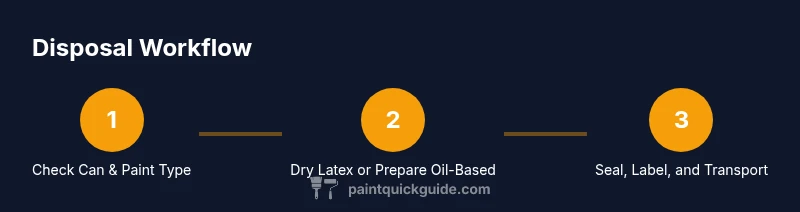
Goal: safely manage empty paint cans. You’ll learn to dry any residual paint, decide whether cans are recyclable, reusable, or hazardous waste, and prepare them for disposal. Always check local rules, seal lids tightly, and store upright. Avoid pouring leftover paint into drains, and never burn cans. For homeowners and DIYers, this approach minimizes waste and protects the environment.
Why proper handling of empty paint cans matters
Every household ends up with empty paint cans after finishing a project. Yet these cans aren’t simply trash; they can leak chemicals or create recycling confusion if not handled correctly. Understanding what to do with empty paint cans helps protect water supplies, prevent leaks, and keep landfills from becoming overwhelmed with metal waste. If you’re pursuing what to do with empty paint cans, the answer starts with safe drying, accurate labeling, and choosing the disposal path that matches your local rules. According to PaintQuickGuide, a practical approach to disposal reduces risks for families, pets, and neighbors while making sure you stay within regulations and avoid unnecessary fees. This section lays the groundwork for safe, compliant handling that works for homeowners and DIY enthusiasts alike.
Drying and prep before disposal
Latex paints dry quickly when exposed to air, but the drying rate depends on quantity and ventilation. For latex or water-based paints, spread a layer on absorbent material and allow it to solidify. Do not leave cans open; seal the cans during drying to minimize fumes. For oil-based paints, drying is not reliable; instead, keep the can sealed and store it securely until you can take it to a household hazardous waste facility. In all cases, remove any lids only after the contents have firmed enough to prevent spills; label the can with the color and type to help the recycler or HHW staff decide where it goes. Use a clean, level surface to avoid tipping, and use gloves if handling sharp edges when opening or resealing. After drying, place the can upright in a stable area and prepare for next steps.
Recycling and disposal options by can type
Most empty paint cans are metal, which opens up recycling opportunities, but rules vary by locality. If the can is metal, dry, and free of liquid, it is commonly accepted by many curbside programs. In some areas, you must remove the lid, and others require you to bring the can to a recycling drop-off; plastic paint cans are less common but may appear in specific programs. Oil-based paints require special handling and are typically not allowed in standard recycling. Take these to a household hazardous waste facility or a collection event. It’s important to avoid pouring paint into storm drains, sinks, or soil, as solvents can contaminate groundwater. If your local program accepts paint via drop-off days, confirm packaging requirements (for example, whether cans must be in a sturdy container) to prevent leaks in transit. Always label cans with contents and type, and keep them upright to reduce accident risk.
Local regulations and how to check them
Disposal rules differ widely by city, county, and state. The best way to know what to do with empty paint cans is to check your local solid waste authority, recycling processor, or the household hazardous waste program. Look for guidance on whether you can recycle dry metal cans curbside, whether rinsing is required, and if you must bring items to a HHW facility. Many jurisdictions publish online guides or printable checklists. If you’re unsure, contact the authority; they can tell you whether you can dispose of cans at the curb, whether you should take them to a drop-off center, and whether latex and oil-based paints require separate handling. For readers of PaintQuickGuide, using these official resources ensures you comply with regulations and minimize environmental impact.
Reuse and upcycling ideas
Don’t dispose of empty paint cans if you can repurpose them. Clean metal cans can store nails, screws, or small hardware; the lids help keep contents organized. You can transform cans into planters, organizers, or tool holders after removing the label and rinsing. For hobby projects, label the cans with color codes to avoid mixing shades. Reusing metal cans reduces material waste and can be a practical solution for DIY enthusiasts.
Quick-start checklist for homeowners
- Gather absorbent material and a sturdy container for drying latex paint.
- Identify paint type (latex vs oil-based) and check local disposal rules.
- Dry latex paint completely; seal cans and label contents before disposal.
- Take oil-based paints to a HHW facility; do not pour solvents down drains.
- If applicable, recycle dry metal cans curbside after verifying program requirements.
- Consider repurposing clean, dry cans for storage or crafts to reduce waste.
Tools & Materials
- Absorbent material (cat litter, sawdust, or paper towels)(Use a thick layer on top of latex paint to speed drying.)
- Old newspaper or a tarp(Protect the workspace and catch drips during drying.)
- Sturdy trash bag or rigid container(For storing dried cans or transporting them for disposal.)
- Permanent marker or label(Label contents and paint type to help recycling staff.)
- Sealant tape or a lid seal(Ensure the can remains closed during drying and transport.)
- Gloves(Protect hands when handling sharp can rims or lids.)
Steps
Estimated time: Total time: 1-3 days for latex drying plus disposal trip
- 1
Gather materials and prepare workspace
Lay a protective surface, lay out absorbent materials, and gather containers for disposal. Confirm your local disposal rules before you begin. This upfront setup reduces spills and mistakes.
Tip: Keep latex and oil-based paints separate to avoid cross-contamination. - 2
Inspect can contents and identify paint type
Read the label to determine if the paint is latex or oil-based. This dictates the disposal path and whether drying is appropriate. If uncertain, keep the can closed and consult local guidelines before proceeding.
Tip: If the label is missing, treat as unknown and contact your local authority for guidance. - 3
Dry latex paint using absorbent material
Spread a thick layer of absorbent material on top of the paint and around the opening, then seal the can with the lid or tape. Allow drying and curing; drying time varies with climate and amount. Keep the can upright during this process.
Tip: Turn the can occasionally to promote even drying and prevent mold. - 4
Handle oil-based paint separately
Oil-based paints should be kept in their original containers with lids tightly sealed. Because they contain solvents, plan to take them to a household hazardous waste facility. Do not attempt to dry out oil-based paint.
Tip: Never mix oil-based paint with latex or other materials. - 5
Seal, label, and decide disposal path
Once the contents are fully dried or verified safe, seal the lid, label the can with contents, and decide whether it goes to curbside recycling or a HHW facility. Follow local packaging rules and follow staff directions if you’re unsure.
Tip: Use permanent marker to clearly indicate ‘dry’ and paint color on the lid. - 6
Transport and follow local guidelines
Take cans to the appropriate facility or curbside program, keeping them upright and contained to prevent leaks. Bring any required documentation or proof of residency if needed by your local program.
Tip: Transport multiple cans in a sturdy box to minimize movement during transit.
Your Questions Answered
Can I recycle empty paint cans curbside?
If the can is metal and completely dry, many curbside programs will accept it. Always confirm with your local recycling provider.
Yes, if it's dry and metal, check with your local program.
Should I rinse cans before disposal?
Rinsing uses water and can spread paint; many programs don’t require rinsing. Dry out latex and keep oil-based separate.
Usually not—let the paint dry, and don’t rinse unless your program says to.
What about oil-based paints?
Oil-based paints should go to household hazardous waste facilities. Do not dispose of solvent-based products down drains.
Oil-based paints belong at HHW facilities.
Can I reuse empty cans for storage?
Yes, once completely dry and cleaned, metal cans can store nails, screws, or small hardware.
Yes, if they’re clean and dry.
How can I speed up paint drying?
Provide ventilation and use absorbent material; avoid sealing wet paint as it slows drying.
Ventilation and absorbent material help drying, but avoid sealing wet paint.
What if I have leftover solvents?
Store solvents in their original containers and take them to HHW facilities; never pour them down sinks.
Take solvents to HHW and never pour.
Watch Video
Quick Summary
- Check local disposal rules before proceeding.
- Dry latex paint completely; oil-based requires HHW handling.
- Recycle dry metal cans where allowed; avoid mixing waste streams.
- Never pour paint into drains; manage solvents responsibly.
- Reuse or repurpose clean cans to reduce waste.