How to Get Rid of Paint Cans: Safe Disposal Guide
Learn practical, safe methods to get rid of paint cans, from drying latex to returning hazardous waste. PaintQuickGuide shows steps, regulations, and tips for homeowners and DIYers in 2026.


Learn how to get rid of paint cans safely and legally, including how to identify paint types, prepare containers, and choose between using leftovers, recycling, and hazardous-waste programs. Following local rules and our step-by-step approach helps prevent spills, protects the environment, and keeps your home code-compliant. Whether you have latex, oil-based, or specialty finishes, this guide lays out clear options.
Understanding paint can waste classifications
Paint waste is not simply “trash.” It falls into several categories that determine how you must handle it, and failing to follow rules can lead to environmental harm or fines. In general, household paint cans fall into three broad classifications: benign household waste (latexes that are fully cured), recyclable materials (containers that meet the local recycling stream after contents are removed and dried), and hazardous waste (solvent-based paints, aerosol cans, or partially filled cans with strong solvents). The key is to identify which path applies to your specific can. Before you start, check your city or county’s disposal guidelines, because programs and rules vary by location and over time. The phrase how to get rid of paint cans is more than removing a nuisance—it’s following a process that protects water quality, soil, and air while keeping your family safe. Across North America and many regions, curbside disposal is not always an option for paint and its cans; many communities require a dedicated drop-off or a scheduled hazardous-waste pickup. By understanding classifications, you can plan a safe, compliant disposal strategy rather than guessing and risking spills.
Latex vs oil-based vs specialty paints: disposal implications
The disposal path changes with paint chemistry. Water-based latex paints dry quickly and can often be solidified for curbside drop-off, resin-based paints may be treated as hazardous waste, and specialty paints (primers, enamel, automotive coatings) may require manufacturer take-back programs. Start by reading the label for solvent content, drying recommendations, and any disposal notes. If you’re unsure, contact your local household hazardous waste (HHW) facility for guidance. Note that even empty cans must be handled properly; crimped lids and dried paint reduce weight and danger, but rules still apply for the contents that used to be inside. PaintQuickGuide analyses, 2026, indicate many homeowners underestimate the importance of distinguishing these categories, which can lead to improper disposal and avoidable environmental harm.
Determine if the can is recyclable, reusable, or hazardous
Recyclability depends on both the can and the paint residue. Empty metal cans with dry, cured contents are often recyclable where facilities accept metal packaging, but lids should be loosened and the contents dried before drop-off. Reusable paints are sometimes donated or traded locally before disposal if the color and finish are still usable. Hazardous waste programs cover solvent-based paints and aerosols, and small quantities are often accepted at HHW sites during scheduled events. Always verify with your local authority or HHW facility, as rules vary widely by city or county. The upshot: identify the path early to avoid double handling and crowded drop-off windows.
Safe prepping of paint cans for disposal
Preparation reduces risk for handlers and facilities. Fully cure or dry latex paints by removing lids and letting air dry in a well-ventilated area, ideally on a disposable surface and away from children and pets. For oil-based paints and heavy solvents, keep cans sealed and store upright to prevent leaks. Have absorbent materials ready (kitty litter, cat litter, or absorbent pads) to neutralize spills and seal any residual liquid with manufacturer-approved sealants. Label each can clearly with color, chemical type, and approximate volume. This step-by-step prep makes the disposal process smoother and safer for everyone involved.
Disposal options by location: household recycling, hazardous waste, donation
Disposal options depend on your location and paint type. Latex paints in small quantities might be accepted by curbside recycling programs after drying, while larger quantities usually require HHW drop-offs. Donating still-usable paint to community groups or schools reduces waste and supports local projects. For solvent-based or aerosol paints, use HHW facilities or take-back programs offered by some manufacturers. If you’re unsure, consult your municipality’s website or call their HHW hotline. The goal is to keep usable paint out of landfills and ensure hazardous materials are handled by trained professionals.
Local regulations by region: finding your program
Regulations vary, so locate your city or county’s official HHW information page. Look for keywords like household hazardous waste, paint disposal, or recycling center. Many programs offer yearly events or permanent drop-off sites and require appointments for large quantities. Some regions allow you to drop off paint cans at recycling centers if the paint is dried or solidified. Keep a simple calendar reminder to check upcoming events and registration windows. PaintQuickGuide emphasizes checking official sources to avoid fines and ensure safe disposal.
How to store leftover paint before disposal
If you cannot dispose of paint immediately, store it properly to prevent spills and odors. Keep cans tightly closed, stored upright, and out of direct sunlight and heat sources. Place cans on a durable tray or mat to catch leaks, and label with the date opened, color, and finish. If you anticipate a long wait, consider adding a reactive drying agent or mixing smaller portions with an equal amount of water-based thinners per label guidance for latex paints. When possible, use up leftovers in future projects or share with neighbors. Proper storage buys you time without compromising safety.
Handling emptied cans and cleaning up spills
After disposal, inspect the storage area for residual drips and clean with soap and water for latex, or solvent-based cleanup if appropriate for the finish. Do not mix solvents or pour leftovers into the environment. For any spills, contain quickly with absorbent materials and dispose of used rags as hazardous waste if contaminated with solvent-based paint. Clean tools and surfaces immediately to prevent staining and chemical exposure. By ending with a clean workspace, you reduce future hazards and simplify follow-up disposal.
Quick disposal checklist and time-saving tips
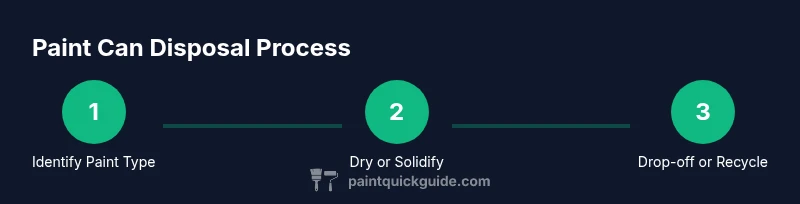
- Identify paint type and local disposal rules before starting.
- Dry latex paint fully or consolidate leftovers for HHW drop-off.
- Seal cans tightly and label contents for faster processing.
- Don’t mix different paints in a single container without guidance.
- Schedule HHW pickup early; bring completed forms and measurements.
- Keep a disposals log to track what has been disposed and when.
Tools & Materials
- Personal protective equipment (gloves, safety glasses)(Protect skin and eyes from spills and solvents.)
- Absorbent material (kitty litter, paper towels)(Used to solidify latex paint and absorb liquids.)
- Leak-proof sealable bags and sturdy cardboard or drop cloths(Contain drips and protect surfaces during prep.)
- Marker or label maker(Label cans with contents, color, and date opened.)
- Plastic or metal containers for drying latex paint(Use if you want to dry small amounts quickly in a controlled tray.)
- Duct tape or solvent-safe sealant(Seal lids and minor leaks to prevent spills.)
- Trash bags or a dedicated disposal box(Keep used materials contained and organized.)
- Access to running water and soap(For immediate cleanup after handling paints.)
Steps
Estimated time: 2-5 days
- 1
Identify paint type and local disposal rules
Start by reading the can label to determine the paint base (latex/water-based vs oil-based). Then locate your municipality's disposal guidelines, which tell you whether the can goes to recycling, HHW, or donation. This step saves time and reduces the risk of spills later.
Tip: If you’re unsure, call the HHW hotline for the exact disposal path. - 2
Check contents and categorize disposal path
Decide if the contents can be dried and recycled, needs to be solidified for removal, or must be handled as hazardous waste. Separate any cans that are still half-full from those that are empty.
Tip: Keep a simple list of cans with color and finish for quick reference at drop-off. - 3
Dry latex paint or solidify solvent-based paints
Pour small amounts of latex into a bag with absorbent material and let it dry completely. For larger quantities, follow label directions or use a drying agent designed for paint. Do not seal wet paint; allow moisture to escape so the can becomes solid.
Tip: Place the drying area on a disposable surface away from pets and children. - 4
Seal cans and label contents
Tighten lids securely. Use duct tape to seal any minor leaks and clearly mark each can with color, base, and approximate volume. This helps disposal staff quickly sort and process.
Tip: Avoid overheating cans during drying; heat can accelerate pressure buildup. - 5
Choose the disposal method
If the paint is fully dried and labeled, many programs will accept it as recyclable or non-hazardous waste. For anything solvent-based or aerosol, use the recommended HHW site or manufacturer take-back program.
Tip: Don’t mix paint types in one container under any circumstances. - 6
Transport to the proper facility
Arrange transport during designated hours or set up a drop-off appointment. Keep cans upright in a sturdy container to prevent leaks during transit.
Tip: Carry a spare plastic bag to contain any accidental drips while moving containers. - 7
Handle empty aerosols and residuals
Aerosol cans should be treated as hazardous waste where required; ensure they’re completely empty when possible and bring residuals to the HHW site as directed.
Tip: Never puncture or incinerate aerosol cans; let staff handle proper disposal. - 8
Clean up and secure your disposal area
Wipe any spill-prone surfaces, wash tools, and store disposal materials in a safe location away from children. Re-inspect the area for drips and dispose of used absorbents according to guidelines.
Tip: Label and store around a visible area to remind future projects of the proper steps. - 9
Document disposal and plan for future waste
Keep a simple disposal log with dates, paint types, and facility names. Schedule future HHW pickups before you run out of space, so you’re prepared for next project.
Tip: Set calendar reminders for seasonal HHW events to streamline future disposal.
Your Questions Answered
What counts as hazardous waste for paint cans?
Hazardous waste includes solvent-based paints, spray aerosols, and any cans with strong solvents. These require a licensed HHW facility or manufacturer take-back program. Always check local rules before disposing.
Paint with strong solvents and spray cans are hazardous and must go to a designated facility.
Can latex paint be recycled?
Yes, many communities allow dried, empty latex cans in the metal recycling stream or at HHW events. Dry the paint completely before drop-off and remove lids if required by local guidelines.
Latex paint can often be recycled after drying; follow local guidelines for drop-off.
Where can I take paint cans for disposal?
Contact your city or county HHW facility or check their website for drop-off locations and hours. Some areas offer curbside guidance or scheduled events for paint disposal.
Check your local HHW site or event for paint can disposal.
Can I mix different paints to reduce waste?
Mixing different paints is generally not recommended because it can create unusable products and complicate disposal. Keep colors separate and dispose of each can as directed by local guidelines.
Don’t mix paints; dispose of each can as directed by guidelines.
Are empty spray paint cans hazardous?
Yes, aerosol cans can be hazardous and often require HHW processing. Ensure cans are completely empty if possible and take them to the appropriate facility per local rules.
Aerosol spray cans are often hazardous and should be disposed of at HHW sites.
What should I do with a tiny amount of paint left?
Small amounts can sometimes be dried and bagged for recycling or trash per local guidance. If unsure, contact your HHW program for the allowed limits.
Tiny amounts may be dried and disposed of per local rules; confirm with HHW if unsure.
Watch Video
Quick Summary
- Identify paint type before disposal.
- Dry or solidify latex paints to reduce waste.
- Follow local rules for recycling and hazardous waste.
- Label and seal cans to prevent leaks.