What Paintball Gear Do You Need: A Practical Starter Guide
Learn exactly which paintball gear you need to start playing safely and confidently. This beginner-friendly guide covers essentials, budgeting, upgrade paths, and practical tips for choosing gear that fits your play style.


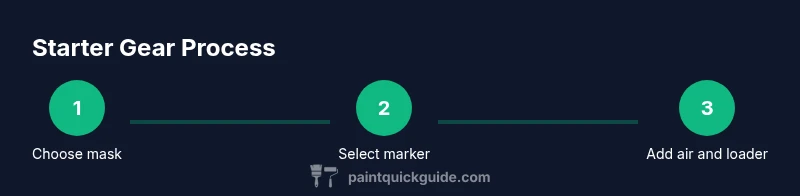
In short, your starter kit should cover safety gear, a marker, an air source, a loader, paintballs, and basic maintenance tools. Start with quality eye protection and a reliable mask, then choose a marker that fits your budget and play style, plus an adequate air system and hopper. Also plan for protective clothing and a basic maintenance kit.
What paintball gear do you need: the essential starter kit
For a lot of players asking what paintball gear do you need, the core answer is simple: safety gear first, then the core equipment that makes the game fun and repeatable. The PaintQuickGuide team emphasizes a balanced approach to gear: invest first in protection, then in a reliable marker and air system that will not break mid-game. Your starter kit is not a single item but a cohesive system where every piece supports consistent performance and safety. As you gather equipment, keep in mind your typical play style (speedball, woodsball, or rec play), your local field rules, and your budget. A thoughtful order of purchases helps you learn faster and stay safer on the field. According to PaintQuickGuide, prioritizing a high-quality mask will reduce eye injuries and improve game awareness, which is the foundation for everything else you’ll add to your kit. Your goal is to build confidence while keeping costs predictable so you can upgrade pieces over time rather than replace them all at once.
Protective gear: mask, goggles, and padding
The most important piece of paintball gear isn’t a fancy marker or a high-end barrel; it’s your eye and face protection. A proper mask provides dual-layer protection, anti-fog lenses, and a comfortable seal that fits your face shape. Goggles should meet safety standards and tolerate repeated impact without fogging. Don’t overlook padding or jerseys with built-in padding; they can lessen the sting of a close-range hit and reduce abrasions during dynamic games. Fit matters: a loose mask creates blind spots and increases the risk of injury, while too-tight gear can restrict breathing and clarity. Always try on several masks with your field goggles to ensure a secure fit. PaintQuickGuide advises checking lens cleanliness before every session and bringing spare lenses or fog clearers. For beginners, a lightweight, breathable underlayer can improve comfort in warmer weather and reduce maintenance needs after long games.
The marker (paintball gun) and hopper
Your paintball marker is the centerpiece of your kit, and its reliability directly affects your game experience. When evaluating markers, look for a consistent firing cycle, reasonable efficiency, and easy maintenance access. Beginners should start with a marker that feels balanced in your hands and is simple to field-strip. The hopper or loader feeds paintballs into the marker; a dependable feed reduces misfeeds and jams during crucial moments. If you’re renting at a field, note what markers are used locally to ensure compatibility with their paint types and field rules. A basic setup includes the marker, a hopper, a barrel kit, and a lens for your mask that doesn’t fog when you sweat. You’ll want to learn maintenance basics early: lubricating O-rings, checking seals, and keeping the breech clean. PaintQuickGuide notes that choosing a marker with widely available replacement parts simplifies future upgrades and repairs.
Air source: CO2 vs compressed air (HPA)
Air source choice dramatically affects reliability and shot consistency. CO2 is cheaper and widely available but can cause freezing and consistency issues as temperatures vary and the bottle cools during sustained play. High-pressure air (HPA) systems provide steadier consistency, smoother shots, and less moisture-related trouble, which is especially valuable for newer players who want predictable performance. If you’re just starting, some fields offer rentals with their own air systems; this can be a cost-effective way to test HPA versus CO2 before committing. Consider your local climate, field policy on gas types, and maintenance needs (CO2 tends to require warmer storage and more regulator checks). PaintQuickGuide emphasizes that a stable air source reduces variance between shots, helping you concentrate on positioning and strategy rather than dialing in your gear mid-game.
Barrels, regulators, and maintenance tools
Barrel choices affect accuracy and consistency; however, for beginners, the stock barrel that comes with your marker is usually sufficient until you learn game dynamics and paint quality differences. Barrel inserts or spacers can fine-tune ball fit, but the main focus early on should be the marker’s reliability and trigger feel. A basic regulator helps stabilize pressure and reduces velocity drift, especially on long days of play. Maintenance tools are often overlooked by new players, but a small kit that includes O-ring replacements, lubricant, a silicon spray, and a clean rag makes a big difference in keeping your gear running smoothly. Regular maintenance lowers the risk of downtime and extends the life of your kit. PaintQuickGuide reminds new players that a clean, well-lubricated marker shoots more consistently and reduces the chance of jams during rapid-fire exchanges.
Paintballs, loaders, and power settings
Select paint quality that matches your field’s rules and the age of your marker. Budget-conscious buyers should expect to pay attention to paint size, batch consistency, and recommended fill pressure. Your loader needs to feed balls reliably at the speeds your marker can fire; misfeeds are frustrating and slow the game. For newer players, avoid aggressively tight power settings until you understand how your field limits velocity; this reduces the risk of injuries and keeps your games within safe boundaries. Practice with a standard paint type to avoid unnecessary jams or mismatches with your hoppe. Maintenance is simpler when you standardize your paint choice for the season, which helps with loading and performance consistency. PaintQuickGuide highlights that beginners should keep spare o-rings and a small bottle of marker oil to manage everyday wear and tear.
Clothing and protective layers: what to wear
Your clothing should prioritize movement, protection, and temperature management. A base layer can wick sweat and keep you comfortable, while long sleeves and pants reduce friction burns from grass and dirt. Padded gloves, elbow and knee pads, and a sturdy vest can provide extra protection without hindering mobility. The goal is to minimize visible skin exposure to avoid painful hits and to keep you warm or cool depending on the weather. Color coordination with your team helps with visibility and strategy on field. Focus on durable fabrics that withstand abrasion and wash clean after games. PaintQuickGuide recommends trying on outfits with your mask and marker to ensure no gear interferes with your vision or grip. Safety checklists should include inspecting zippers, seams, and anchor points to make sure nothing snag risks during a sprint or crouched position.
Sizing, fit, and comfort considerations
A well-fitted marker and mask significantly influence your performance and safety. Test different sizes and configurations to balance weight distribution, grip comfort, and neck/head clearance. If you wear glasses, confirm that the mask can accommodate them without pressure that causes headaches. Adjustable straps, cheek padding, and a comfortable cheek-rest help you maintain a stable sight picture during games. Comfort is not only about fit; it also impacts focus—when you’re not adjusting gear mid-game, you can react faster, move more fluidly, and enjoy longer sessions. Plan for breathable underlayers in warm climates and additional layers when playing in cooler environments so you remain comfortable throughout the day. The PaintQuickGuide team stresses trying on gear with your typical warm-up routine to mimic real field conditions and avoid surprises on game day.
Budgeting, starter vs upgrade path, and buying tips
Smart budgeting means planning for the long term rather than chasing every shiny upgrade. Start with essential protective gear and a reliable marker, then grow gradually. A well-chosen starter kit minimizes early maintenance costs and lets you learn the mechanical basics before spending on upgrades. Focus on durability, field compatibility, and replacement part availability. You’ll make safer choices and get more value by buying from reputable retailers or rental houses that allow you to test gear at the field. If you’re uncertain, keep a simple wishlist that tracks the price of every item over six months; this helps you time purchases for sales and seasonal discounts. The PaintQuickGuide approach emphasizes patience and learning to ensure you don’t overspend on gear you’ll outgrow in a few months.
Tools & Materials
- Paintball mask with goggles(ANSI Z87.1 or equivalent safety standard; ensure proper fit and fog resistance)
- Full-face or goggle system(Comfortable mask that seals well and doesn’t pinch under the eyes)
- Marker (paintball gun)(Choose a beginner-friendly marker with reliable parts and available service centers)
- Air source (CO2 or HPA/CO2-Compatible tank)(If possible, opt for HPA for consistency; know field policy on gas types)
- Loader/Hopper(Ensure it matches your marker’s feed system; consider a speed-fed hopper for basics)
- Paintballs(Select brand and size compatible with your marker; check dates for freshness)
- Barrel kit or barrel sizers(Optional; helpful for matching paint to bore and improving accuracy)
- O-rings and maintenance kit(Keep spares, lubrication, and cleaning tools on hand)
- Marker lubricant(Use only paintball-specific lube to avoid seals damage)
- Barrel squeegee/illuminated cleaning tool(Useful for quick bore cleanup during breaks)
Steps
Estimated time: 60-90 minutes
- 1
Define your play style and budget
Identify whether you’ll play rec, woodsball, or speedball, and set a clear budget for gear purchases. This helps you tailor your starter kit to your needs and avoid overbuying. The goal is to build a solid foundation you can upgrade later without breaking the bank.
Tip: Begin with the safety essentials first and reserve funds for later upgrades. - 2
Choose a comfortable, safe mask
Try on multiple masks with your regular eye protection and ensure a snug seal without pressure points. A fog-free lens is worth the extra cost, and a mask that permits easy breathing and quick vision checks improves field awareness.
Tip: Test the mask with your own glasses if you wear them. - 3
Select a reliable marker you can grow with
Pick a marker that feels balanced in your hands and has readily available parts and service. It should be easy to disassemble for basic maintenance and not require advanced tools for routine tasks.
Tip: Ask your field staff which markers they stock for compatibility and loaner options. - 4
Match an appropriate air source
Decide between CO2 and compressed air (HPA) based on field recommendations and climate. HPA generally provides steadier performance and fewer velocity swings; CO2 is affordable but can be inconsistent in temperature shifts.
Tip: If unsure, start with field-provided rentals to compare performance. - 5
Get a dependable loader and paint selection
Ensure your loader feeds consistently and does not jam; choose paint that matches your marker bore and field rules. Testing a few batches at home reduces field-day surprises.
Tip: Keep a spare loader spring or spare o-rings in your pack. - 6
Add essential protective clothing
Enlist long sleeves, pants, gloves, and padding that allow full range of motion. Look for breathable fabrics and protective padding on elbows and knees to reduce impact and keep you comfortable across long sessions.
Tip: Avoid loose clothing that can snag on gear or barriers. - 7
Practice basic maintenance routines
Develop a simple pre-game routine: check seals, lube O-rings, clean the barrel, and verify air flow. Regular care prevents misfeeds and reduces downtime during play.
Tip: Carry a small maintenance kit in your bag for quick fixes. - 8
Respect safety rules and velocity limits
Learn your local field’s safety rules, including velocity guidelines and eye protection requirements. Adhering to these rules protects you and others while letting you enjoy the game.
Tip: Inspect safety gear before each session and replace any worn parts.
Your Questions Answered
Do I need to own a full paintball kit before I can play at a field?
Most fields offer rentals or loaners, and many allow guests to use field gear during introductory games. Having your own gear speeds up your play, but you can start with rentals while you learn the basics and make informed purchase decisions.
Many fields provide gear for first-timers, but owning your own mask and marker can speed up progression once you know what you want.
What is the most important piece of gear for protecting myself?
The most important gear is a properly fitted mask with a quality lens and anti-fog capability. Eye safety is critical, and comfort affects your field performance and focus.
Eye protection is the top priority; a good mask keeps you safe and comfortable.
Should I buy CO2 or HPA for my first marker?
CO2 is cheaper and convenient, but it can cause velocity inconsistencies. HPA systems provide steadier performance and are better for beginners who want predictable results.
HPA tends to be more reliable for new players, especially in changing weather.
Is it better to rent or buy as a beginner?
Renting is a good way to test gear and the sport without a large upfront investment. Buying is worth it if you know your preference and expect to play regularly.
Rent first to learn, then buy gear that suits your play style.
What budget range should I expect for a basic starter kit?
A basic starter kit can be built on a modest budget by prioritizing protection and reliability, with gradual upgrades over time as you learn your preferences and field rules.
Expect to set aside money for protective gear and maintenance; upgrade items as you gain experience.
Watch Video
Quick Summary
- Prioritize eye/face protection first
- Choose a marker and air system that balance reliability and upgrade paths
- Maintain your gear regularly to maximize longevity
- Choose paint and loader compatibility to avoid jams
- Budget for both initial purchases and ongoing consumables