What to Do If Paint Gets in Your Hair: A Practical Guide
Learn how to safely remove paint from hair, identify paint types, choose the right cleaners, and prevent future staining with step-by-step instructions and safety tips.


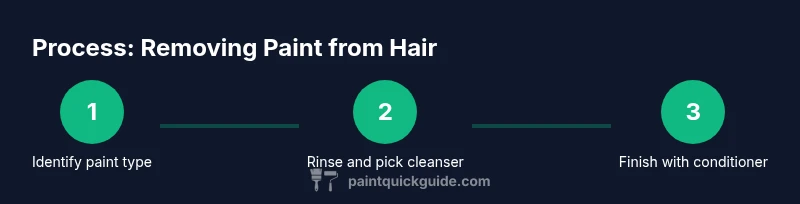
If you’re wondering what to do when you ask what if paint gets in your hair, this quick guide shows how to remove it safely. You’ll learn to identify paint type (water-based vs oil-based), rinse properly, choose the right cleaner, and recondition your hair. Follow these steps to reduce damage, irritation, and stubborn stains.
What if paint gets in your hair
What happens when paint gets in your hair depends on the paint type and how quickly you act. The phrase what if paint gets in your hair often leads people to panic, but calm, methodical steps minimize damage and staining. Start by identifying whether the paint is water-based (latex/acrylic) or oil-based, then choose safe removal methods. Rushing can spread pigment and irritants deeper into the shaft, making cleanup harder and potentially drying the hair. Paint in hair is a common problem during home renovations, DIY projects, and auto refinishing sessions, but with the right approach you can recover quickly. PaintQuickGuide's guidance emphasizes safety, patience, and using products meant for hair rather than household cleaners that aren’t formulated for scalp contact.
Understanding paint types and their impact on hair
Paints come in two broad categories that affect how you remove them from hair: water-based and oil-based. Water-based paints (latex or acrylic) rinse relatively easily with warm water and mild cleansers, while oil-based paints cling more stubbornly and may require solvents. Knowing the difference helps you pick safe strategies that minimize scalp irritation and breakage. Always check the label if you’re unsure of the product type. The PaintQuickGuide approach is to start with gentler options and escalate only if necessary, avoiding harsh chemicals near the scalp. The ability to distinguish paint types reduces the risk of over-washing and over-processing hair.
Immediate actions you should take
Acting quickly helps prevent permanent staining and makes removal easier. Begin by applying a splash of warm water to loosen the paint and keep your head above the sink to prevent drips onto clothing. Gently blot, don’t rub, to avoid driving pigment into the hair follicles. If you suspect oil-based paint, prepare a safe solvent option in a well-ventilated area, but never apply solvents directly to the scalp without ventilation and protective gloves. For water-based paint, proceed with soap, shampoo, and conditioner. Safety and modesty matter: protect your eyes and skin, use gloves, and avoid hot water that can irritate the scalp.
Cleaning strategies by paint type (latex vs oil-based)
For water-based paints, start with a mild clarifying shampoo or dish soap, then follow with a heavy conditioner to prevent tangling. Work the cleanser through the hair from root to tip, then rinse thoroughly and repeat if any pigment remains. For oil-based paints, use a small amount of an approved solvent in a well-ventilated area, such as odorless mineral spirits, and apply it to the outside of the hair shaft with a cotton pad—never directly on the scalp. After any solvent step, wash with a gentle shampoo and heavy conditioner to restore moisture. Avoid rubbing aggressively; instead, use a comb to loosen pigment after washing. Paint in hair can be stubborn, but patience and proper technique lead to better results.
If paint dries or stains persist
Dried paint is harder to remove, especially from porous hair, so re-wet and rewash as needed. You may need to repeat the cleansing cycle several times and consider a second conditioner layer to restore softness. If pigment remains near the scalp or if you notice irritation, pause and seek professional help. Persistent staining could indicate the pigment has integrated into the cuticle; a salon-safe clarifying treatment or specialized hair remover may be needed under professional guidance. Always test any remover on a small strand first.
Aftercare and prevention for future projects
Finish with a deep conditioner or hair mask to replenish moisture lost during cleaning, and rinse thoroughly. Use protecting measures during future painting: wear a cap, keep hair clipped up, and work in a well-ventilated area. Consider applying a lightweight leave-in conditioner before starting to minimize tangling. Regularly cleansing hair after painting projects reduces buildup and keeps color residues from lingering. The best prevention is planning: prep the hair, choose safer products, and keep a dedicated cleaning routine ready.
When to seek professional help
If paint has soaked into the scalp, extensive staining persists after multiple washes, or you have a sensitive scalp or skin reaction, consult a professional stylist or dermatologist. They can assess any potential damage and recommend appropriate treatments or salon-safe removal products. Seeking help early prevents further damage and ensures a healthier recovery after a painting project.
Quick recap on what to do and why it matters
Act fast, identify paint type, choose safe cleaners, and avoid harsh solvents near the scalp. Gentle washing followed by conditioning protects your hair’s moisture balance and reduces breakage. This approach minimizes staining and irritation, helping you get back to your project with minimal downtime.
Tools & Materials
- gloves (nitrile or latex)(Protect hands from cleaners and solvents)
- wide-tooth comb(Gently detangle after washing)
- warm water(Assist pigment loosening)
- mild clarifying shampoo or dish soap(First-pass cleaner for water-based paint)
- conditioner or deep conditioner(Restore moisture and slip)
- extra-clarifying shampoo (optional)(For persistent residues)
- oil-based solvent (odorless mineral spirits)(Only for oil-based paints; use in ventilated area)
- soft towel or hair wrap(Pat dry and minimize frizz)
- shower cap or towel drape(Protect clothing and surroundings during solvent use)
- nail-free acetone-free remover (optional)(Only if advised by a professional; avoid on scalp)
Steps
Estimated time: 30-60 minutes
- 1
Identify paint type
Check product labels or packaging to determine if the paint is water-based or oil-based. Correct identification guides your next steps and reduces unnecessary exposure to solvents. If unsure, start with mild cleaners first and test a small strand of hair.
Tip: Tip: Do a strand test behind the ear to gauge sensitivity before full application. - 2
Rinse hair with warm water
Begin by rinsing the hair with warm water to loosen surface paint. Avoid hot water that can irritate the scalp or open cuticles, as this can drive pigment deeper into the hair shaft. Let gravity do some of the work before applying cleansers.
Tip: Tip: Tilt head back to prevent staining on face and clothes. - 3
Apply mild cleanser for water-based paint
Work a small amount of clarifying shampoo or dish soap through the hair from roots to tips. Massage gently to lift pigment without over-scratching the scalp. Rinse thoroughly and assess if more cleaning is needed.
Tip: Tip: Use extra conditioner after this step to restore moisture. - 4
Gently comb to loosen remaining paint
After washing, use a wide-tooth comb to lift remaining pigment from the hair shafts while the hair is still damp. Avoid pulling hard to minimize breakage. Repeat cleansing if necessary.
Tip: Tip: Work from the ends upward toward the scalp to reduce tangling. - 5
If paint is oil-based, apply a safe solvent
In a well-ventilated area, apply a small amount of an approved solvent to a cotton pad and gently blot the hair shaft away from the scalp. Do not saturate the scalp. Follow with a thorough shampoo to remove solvent residues.
Tip: Tip: Never apply solvent directly to the scalp; wear protective gloves and ensure good airflow. - 6
Rinse and repeat as needed
Rinse completely after each cleaning pass. Repeat steps 3–5 as necessary until pigment is gone and hair feels clean. Avoid over-washing, which can dry hair; balance cleansing with conditioning.
Tip: Tip: If pigment persists, consider a second clarifying wash after a light oil-conditioning to rehydrate. - 7
Condition and moisturize
Apply a rich conditioner or a deep-conditioning mask to restore moisture lost during cleaning. Leave on as directed, then rinse with cool water to seal cuticles and reduce frizz. Dry the hair gently with a towel.
Tip: Tip: Consider a leave-in conditioner to protect hair for the rest of the day. - 8
Dry, test, and plan prevention
Dry hair and perform a visual check for any residual tint. If any staining remains, repeat cleansing steps or seek professional help. Plan future projects with head covering, clip-collection, and a dedicated cleaning routine.
Tip: Tip: Create a small paint-protection kit for DIY projects to prevent future incidents.
Your Questions Answered
Can I use acetone-based nail polish remover on hair to remove paint?
Acetone can be harsh on hair and scalp, causing dryness and damage. Avoid it for hair removal. Use milder cleaners or professional advice instead.
Avoid acetone on hair; it can dry and damage. Use gentler cleaners or consult a professional.
What if the paint has dried in my hair?
Dried paint is tougher to remove. Start with warm water and a clarifying shampoo, then repeat. If stubborn, seek professional care.
Dried paint is harder to remove—start with warm water, shampoo, and repeat. Consider professional help if needed.
Is it safe to use household cleaners on hair?
Most household cleaners aren’t formulated for hair or scalp and can cause irritation. Use mild soaps or hair-safe products and follow with conditioner.
Most household cleaners aren’t safe for hair—stick to hair-safe products and always condition afterward.
When should I seek professional help?
If paint covers a large area, sits near the scalp, causes irritation, or persists after several washes, consult a stylist or dermatologist.
If staining is extensive or you feel irritation, get professional help.
Will dyeing or bleaching help remove paint from hair?
Dyeing or bleaching isn’t a reliable method to remove paint and can further damage hair. Focus on proper cleansing first, then consult a pro.
Coloring isn’t a guaranteed fix; it can damage hair. Cleanse first and ask a pro if needed.
Watch Video
Quick Summary
- Act quickly to minimize staining
- Identify paint type before choosing cleaners
- Avoid harsh solvents on the scalp
- Rinse thoroughly and condition afterward
- Seek professional help for persistent stains