Can You Put Paint Cans in the Trash? A Complete Disposal Guide
Learn when paint cans can go in the trash, how to dry latex paint, and safe disposal steps. Get practical tips, local guidelines, and where to take leftover paint.


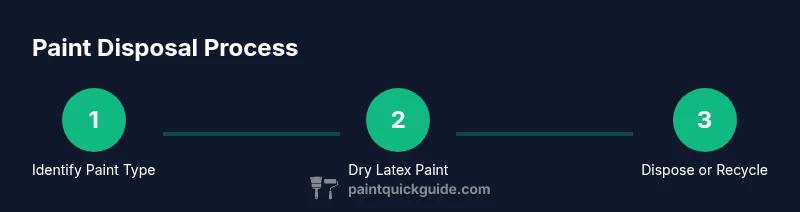
Whether you can put paint cans in the trash depends on local rules and the paint type. In most areas, fully dried latex paint can be discarded with regular trash, while oil-based paints require household hazardous waste disposal. Always verify with your local waste authority before discarding, and follow the steps below for safe handling.
Can You Put Paint Cans in the Trash? A Practical Overview
The question many homeowners ask is can you put paint cans in the trash. The answer depends on where you live and what kind of paint you used. According to PaintQuickGuide, disposal rules vary by municipality, so always check your local guidelines rather than assuming a universal rule. In general, dried latex paint is treated as less hazardous and can sometimes be placed in regular trash after the can is emptied, while oil-based paints and other solvent-heavy products are typically classified as household hazardous waste (HHW) and require special handling. This article walks you through the practical steps, the rationale behind them, and how to avoid common mistakes when disposing of paint cans. It also highlights practical alternatives like donation, recycling, or retailer take-back programs to minimize waste and environmental impact.
Brand note: The PaintQuickGuide team emphasizes that local regulations drive disposal methods, so always start with the official guidance from your city or county.
Latex Paint: When it’s OK and When It’s Not
Latex paint, a water-based formulation, is generally less hazardous than oil-based products. In many communities, once the can is emptied, the remaining paint is fully dried, and the can is considered safe for regular trash collection. However, rules vary widely by municipality. Always verify with your local waste authority before discarding. If your area allows it, you can place a dry, empty latex-can with a note indicating it contained water-based paint. If there’s any residual liquid, or if the paint is lime or solvent-based, treat it as HHW and drop it off at a proper facility. PaintQuickGuide recommends erring on the side of caution and using official guidance to avoid fines or improper disposal.
Oil-Based Paint and Other Hazards
Oil-based paints, stains, and varnishes contain solvents that can be hazardous to people and ecosystems. These products are typically not allowed in regular curbside trash and require disposal through household hazardous waste programs, drop-off events, or permitted facilities. Do not pour oil-based paint down drains, on soil, or into water. If you’re unsure, contact your local waste management authority; many jurisdictions publish a clear list of what qualifies as HHW and how to schedule a drop-off. The safety priority is to prevent spills, vapors, and soil contamination during disposal.
Empty, Dry, and Labeled: Preparing Cans for Disposal
Preparation matters. Before discarding any paint can, ensure the can is empty or contains only completely dry residue. Wipe the rim and exterior with a dry cloth to remove any drips. If you’re dealing with latex paint, mix in a drying agent like cat litter or sawdust to speed up drying, then allow the contents to become solid. Once the can is dry, loosely place the lid on or near the can to indicate that it is dry and ready for disposal. Labeling the can with information like "latex paint – dry" can help waste staff quickly assess the material. Finally, transport the can to the appropriate disposal stream—regular trash where permitted, or HHW drop-off when required.
Drying Techniques and Practical Time Estimates
Drying times for latex paint depend on climate, container size, and how much paint remains in the can. In dry, well-ventilated spaces, latex paint can dry within a day or two; in humid or cold environments, it may take longer. The drying process minimizes odor and reduces leakage risks. To avoid delays, spread a thin layer on a sheet of cardboard or cover the can with a drying agent and place it in a safe, ventilated area away from children and pets. Always ensure the lid is loose enough to allow moisture to escape while keeping the can upright and stable. If the paint is oil-based, skip the drying approach entirely and proceed with HHW disposal per local rules.
Alternatives to Trash Disposal
Before tossing paint, consider alternatives that reduce waste. If the paint is still usable, offer it to neighbors, local community groups, or donation centers. Some retailers accept empty paint cans for recycling or offer take-back programs for paint products. For unopened or surplus latex paint, check if your municipal waste program or HHW facility accepts it for recycling or proper disposal. Reusing packaging or repurposing leftover paint for smaller projects extends its life and reduces environmental impact. PaintQuickGuide highlights that local programs often provide the most practical pathways for responsible disposal.
How to Find Local Regulations and Resources
Disposal rules can differ dramatically by city, county, and state. Start by visiting your local waste management or environmental agency website and searching for terms like “household hazardous waste,” “paint disposal,” or “recycling paint cans.” If you’re unsure, call the municipal helpline or use a state extension service. PaintQuickGuide Analysis, 2026 notes that many jurisdictions now emphasize accessible HHW drop-offs and curbside guidance, but there is no one-size-fits-all rule. Your best bet is to consult official sources and keep an eye out for seasonal HHW events. This ensures you’re following current regulations and protecting the environment.
Common Myths Debunked and Quick Checks
Myth: All paint cans can be mixed and disposed of together. Reality: Mixing paints can create hazardous reactions or unknown chemical blends; dispose cans separately according to type. Myth: If the can is empty, it’s always fine to trash the container. Reality: Some empty cans still require HHW handling if paint residues or spent solvents remain. Quick check: If in doubt, treat the can as HHW and use the local facility or drop-off event. The key is to verify with your local guidelines and avoid pouring liquids down the drain or onto the ground. PaintQuickGuide’s guidance remains clear: local rules govern the final disposal path, and safer options include donation, recycling, or official collection points.
Tools & Materials
- Drying agent for latex paint (cat litter or sawdust)(Absorbs residual liquid and accelerates drying)
- Old newspaper or disposable tarp(Protects surfaces and catches drips)
- Disposable gloves(Protect hands during handling and cleanup)
- Marker or tape for labeling(Label cans as 'latex dry' or 'oil-based HHW' )
- Sealable transport container or sturdy bag(For carrying dried cans to disposal site)
- Ventilated area or fan(Helps drying process and reduces odor)
Steps
Estimated time: 60-120 minutes total, plus variable drying time
- 1
Identify paint type
Check the can label or recall which formula you used (latex or oil-based). This determines the disposal path. If you’re unsure, treat it as HHW and plan accordingly.
Tip: When in doubt, categorize by the solvent base and follow local rules. - 2
Prepare your workspace
Lay down a disposable tarp and have drying materials handy. Clear pets and kids from the area to prevent accidents during the drying phase.
Tip: Protect floors and keep odors contained with good airflow. - 3
Dry latex paint
Spread the remaining latex paint on a surface or mix in a drying agent to solidify the contents. Turn the can upright and allow it to dry completely before disposal.
Tip: Use only a thin layer of paint and ensure no liquid pooling remains. - 4
Remove or loosen the lid
Loosen the lid once the paint is dry to show the can’s status. Do not seal the can tightly with liquid inside; this can create pressure and leakage during transport.
Tip: Keep the can upright and easily visible as 'dry'. - 5
Label the can
Place a label on the can indicating the contents and that it is dry latex paint or oil-based HHW. This helps waste staff quickly route it to the proper stream.
Tip: Clear labeling can prevent accidental disposal errors. - 6
Transport to disposal
Take the dried can to the appropriate disposal stream: regular trash if allowed, or the HHW facility/drop-off site if not.
Tip: Carry cans in a stable container to avoid spills. - 7
Store leftover cans safely
If you cannot dispose of all cans immediately, store them in a cool, ventilated area away from heat sources until collection day.
Tip: Keep out of reach of children and pets. - 8
Verify local guidelines
Before each disposal activity, confirm the latest local rules from your waste authority or extension service to avoid violations.
Tip: Rules change; check current guidance prior to disposal.
Your Questions Answered
Is it legal to put dried latex paint in the trash?
In many areas, completely dried latex paint in a container can be disposed of with regular trash, but laws vary. Always verify with your local waste authority to confirm the accepted practice in your jurisdiction.
Dried latex paint can often go in the trash, but rules vary by location—check your local guidelines.
How can I dry latex paint quickly?
Add an absorbent material like cat litter or sawdust to the can to absorb moisture and speed up drying. Stir as you add material and ensure the mixture becomes solid before disposal.
Use an absorbent material to speed drying and ensure the paint is solid before disposal.
What should I do with oil-based paint?
Oil-based paints are usually hazardous and should be taken to a household hazardous waste facility or event. Do not place them in regular trash or down drains.
Oil-based paint goes to HHW facilities; not for regular trash.
Can I reuse old paint cans for storage?
If the can is clean, rust-free, and the contents are appropriately disposed of, you can reuse the container for storage. Some programs also recycle metal cans, so check local guidelines.
Clean, rust-free cans can be reused or recycled per local rules.
Where can I find local disposal rules?
Visit your city or state waste authority website, or contact the extension service for guidance specific to your area. Regulations change, so verify before disposing.
Check your local waste authority or extension service for area-specific rules.
What is the best overall practice for a big paint cleanup?
Plan ahead: separate latex and oil-based paints, dry the latex, and take all oil-based products to HHW. Use approved disposal sites or retailer take-back programs when available.
Separate paint types, dry latex, and take oil-based products to HHW or take-back programs.
Watch Video
Quick Summary
- Check local rules before discarding paint cans.
- Dry latex paint completely before trash disposal.
- Oil-based paints require HHW handling.
- Donate or recycle usable paint when possible.
- Label and transport cans safely to the proper facility.