Winter Paintball: Can You Play in Cold Weather Safely
Explore whether you can safely paintball in winter, what gear to wear, field policies, and practical planning tips for cold-weather play with PaintQuickGuide.


Yes. You can paintball in winter, but plan for cold gear, fog-free eye protection, and field policy changes. Choose indoor fields or warm shelters, limit exposure during extreme weather, and pace breaks to stay hydrated and warm.
Can you go paintballing in the winter? Practical overview
Paintball is a year‑round activity in many regions, and winter play is entirely feasible with smart planning. The core idea is simple: you stay warm, protect your eyes and skin, and respect field policies that respond to cold, ice, and reduced daylight. The PaintQuickGuide team emphasizes preparation as the difference between a comfortable session and an uncomfortable one; with the right gear, you can enjoy fast-paced action even when the temperature drops. If you’re new to winter play, this guide provides a practical framework to help you prepare, choose destinations, and stay safe while still having fun.
Weather and temperatures: what to expect
Cold weather changes every facet of a game day. You’ll encounter wind chill, damp air, and sometimes snow or slush. These conditions influence marker performance, paint quality, and your own stamina. Cold air can make you feel more tired and slower, so pacing your play, taking regular breaks, and staying hydrated are essential. Field staff may adjust safety rules or shorten sessions during extreme weather, especially when ice or glare off white surfaces creates hazards. Staying informed about local forecasts and field policies helps you plan a smooth outing. PaintQuickGuide notes that preparedness reduces risk and improves enjoyment in chilly conditions.
Gear and clothing: staying warm and mobile
Layering is the foundation of winter play. Start with moisture-wicking base layers, add insulating mid-layers, and top with a waterproof, windproof outer shell. Don’t skimp on gloves; winter-specific gloves should balance warmth with finger dexterity for reloading and aiming. A thermal beanie or hood under your mask helps protect ears and hair, while a well-fitted mask with a fog‑reduction lens keeps vision clear. Footwear should offer traction on wet or icy ground, and consider hand warmers for quick warmth between games. Pack extra socks and a towel to manage moisture from sweat and snow. If you wear prescription glasses, ensure your mask accommodates them comfortably and remains fog-free.
Field safety and rules in winter
Winter play raises unique safety considerations. Slippery surfaces increase the risk of falls, so pre-game footing checks and slow movement in exposed areas are wise. Goggles and masks deserve extra attention—fogging can be a bigger issue in cold weather, so pre-warming lenses or anti-fog solutions are helpful. Some fields may adjust chrono times, stop times, or target limits due to reduced daylight and cold. Always attend the safety briefing and listen for weather-related cautions. Hydration remains important, as people often underestimate water loss in cold air and winds.
Paint, ammo, and field logistics in winter
Paint quality can vary with cold storage; keep paint at room temperature and inspect shells and fill levels before games. Fragile shells can crack if exposed to abrupt temperature shifts, so avoid rapid temperature changes from cold outdoors to warm indoors. Bring enough paint and store spare cans in a warm bag if possible. Field rules around paint color, breakout timing, and reloads may change in winter, so review the posted policies on arrival. Test a small amount of paint on a spare target or cloth to ensure proper shot consistency before open play begins.
Indoor vs outdoor winter fields: pros and cons
Indoor heated venues offer consistent temperature, reduced wind exposure, and steady visibility — all advantages for winter play. Outdoor fields provide the authentic feel of winter landscapes but demand more gear and planning, such as windbreaks, heated rest areas, and snow management. If you’re new to winter paintball, consider starting at an indoor facility to build comfort, then branch out to outdoor fields as you gain experience. Always confirm year-round or seasonal schedules, as some fields close or shorten hours in winter.
Planning a winter session: tips, safety, and contingencies
Begin with a weather check and field policy review before booking. Pack appropriate layers, backups, and gear checks: mask fit, battery health for lights or electronics, and protective padding for knees and elbows on icy surfaces. Schedule shorter, more frequent breaks to prevent cold-related fatigue, monitor your fingers and toes for numbness, and stay hydrated. Have a contingency plan in case of heavy snow or ice, such as reserving an indoor venue or switching to a shorter game format. A well-planned day reduces risk and increases the likelihood you’ll have fun.
Common mistakes and how to avoid them
Rushing into cold weather without proper gear, underestimating the wind chill, and ignoring field weather advisories are common errors. Another frequent pitfall is overloading on gear that restricts movement, or neglecting to pre-warm lenses and masks, causing fogging or reduced visibility. Lastly, players sometimes skip hydration or fail to adjust expectations for slower reaction times in the cold. Learn from these mistakes by packing wisely, taking regular breaks, and respecting field rules and weather warnings.
Getting started this winter: a simple plan
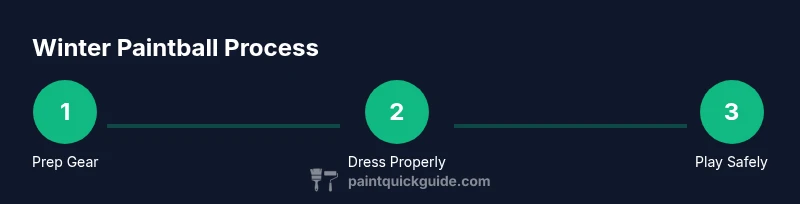
- Check the forecast and field policy. 2) Pack layered clothing, a warm hat, gloves, and traction footwear. 3) Ensure your mask, lens, and marker are winter-ready. 4) Arrive early to acclimate your body and equipment. 5) Take short, frequent breaks to stay warm and hydrated. 6) Review the field safety briefing and follow all guidelines. 7) After playing, dry and inspect gear, warm up, and plan the next outing.
Tools & Materials
- Paintball marker (electronic or mechanical)(Check winter lubrication and cold-weather performance.)
- Paintballs(Bring enough for the session; test a few first.)
- Paintball mask with thermal lens(Ensure proper fit and anti-fog features.)
- Thermal base layers (top and bottom)(Layer under clothing for warmth without overheating.)
- Insulated, waterproof outer layers(Waterproof jacket and pants help manage snow and slush.)
- Winter gloves(Windproof, with dexterity for reloads.)
- Beanie or thermal hat(Fits under the mask and protects ears.)
- Goggles and lens cleaning kit(Anti-fog wipes or a microfibre cloth recommended.)
- Hand warmers(Useful for pockets between games.)
- Hydration gear (water bottle or insulated flask)(Hydration is important even in cold weather.)
- Extra socks, towel, spare batteries(Moisture management and equipment upkeep.)
- Traction aids (grip cleats/ice grips)(Help prevent slips on ice or wet surfaces.)
Steps
Estimated time: 2-4 hours
- 1
Inspect gear and weather readiness
Check your marker, mask, and spare parts for cold-weather reliability. Confirm that you have base layers, gloves, and a waterproof outer layer. If any item shows signs of wear, replace or repair before you head out.
Tip: Carry a small toolkit and spare parts in a warm pack; avoid exposing metal components to freezing temps. - 2
Dress in proper winter layers
Put on moisture-wicking base layers, an insulating mid-layer, and a waterproof shell. Ensure your gloves allow you to grip and reload without removing the glove; test your range of motion before play.
Tip: Layering that you can adjust during breaks helps maintain core warmth without overheating. - 3
Review field rules and weather policy
Read the field’s posted rules and any weather-related cautions. If conditions are unsafe (high wind, ice in play zones, or low visibility), follow the posted guidance and consider postponing.
Tip: Ask staff about any temporary restrictions or indoor alternatives before the session starts. - 4
Test gear in a warm area
Warm up your marker and lens in a sheltered area before game starts. Check that the paint feeds smoothly and the goggles remain fog-free after a quick breath test.
Tip: Keep a spare lens and a towel handy for quick lens changes between games. - 5
Plan breaks for warmth and hydration
Schedule short breaks to prevent numb fingers and cooling fatigue. Use breaks to re-check equipment and reapply moisture-wicking layers as needed.
Tip: Hydration is easy to overlook in cold weather; sip water regularly even if you don’t feel thirsty. - 6
Move with caution on ice and snow
Watch your footing, keep use of legs flexed for balance, and avoid sliding into obstacles. Keep hot areas accessible for quick warmth after each round.
Tip: Tread lightly and consider practicing a few slow drills to adjust to slick terrain. - 7
Care for gear after play
Dry your mask and gear promptly, inspect for moisture intrusion, and store paint away from freezing temperatures. Wipe down the marker to prevent corrosion from moisture and salt.
Tip: Bring a dry bag for gear transport and a warm place for longer sessions. - 8
Plan your next winter session
Reflect on what worked and what didn’t. Schedule future sessions with a warmer timeslot or indoor option if the weather was tough.
Tip: Keep a simple log of conditions, gear performance, and personal comfort levels for better planning.
Your Questions Answered
Can you play paintball outdoors in winter?
Yes, outdoor play is possible in winter with proper gear, a flexible schedule, and awareness of weather conditions. Always follow field safety rules and reports.
Yes, you can play outdoors in winter if you’re prepared and follow field safety guidelines.
What gear is essential for winter paintball?
Base layers, a waterproof outer layer, a fog-resistant mask, gloves with dexterity, and traction footwear are essential. Pack extra socks and a towel.
Base layers, a waterproof jacket, a fog-free mask, and warm gloves are essential.
Is it safe to play in freezing temperatures?
Winter play can be safe with proper clothing, hydration, and breaks. Be mindful of frostbite risks and limit exposure during extreme cold or wind.
It’s generally safe if you dress properly and monitor for signs of cold injury.
How do I prevent goggles from fogging in cold weather?
Use anti-fog products, ensure proper ventilation, and pre-warm the lens before gameplay. Keeping your breath away from the lens helps reduce fog.
Anti-fog solutions and proper ventilation help keep goggles clear.
Should I store paint indoors or outdoors in winter?
Keep paint at room temperature until use and avoid freezing by bringing it into a warmer area before playing. Warm up securely before opening cans.
Keep paint indoors until you’re ready to use it and avoid freezing.
Are indoor fields better in winter?
Indoor fields offer more consistent temperatures and less slipping hazards, while outdoor fields provide a true winter environment but require more planning.
Indoor fields are usually more comfortable in winter, with fewer weather-related disruptions.
Watch Video
Quick Summary
- Plan for warmth with effective layering
- Indoor fields reduce weather risk
- Check field safety policies before playing
- Maintain fog-free visibility and dry gear