Paint Step by Step: A Complete DIY Guide for Homeowners
Discover a practical paint step by step guide covering prep, priming, layering, and finishing for durable, professional results on walls, furniture, or automotive panels.


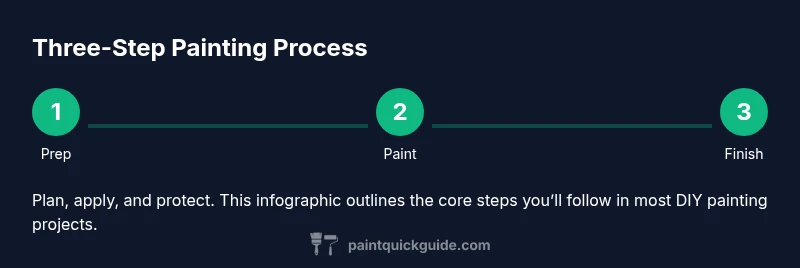
Paint step by step is a structured approach to painting that breaks the job into clear stages: prep, priming, base coats, coatings, and finishing touches. This method reduces mistakes, improves coverage, and yields durable results for walls, trim, furniture, or auto panels. In this guide, you’ll learn a practical, field-tested sequence you can follow on any project.
What paint step by step means and why it matters
According to PaintQuickGuide, a paint step by step framework is a deliberate, phase-focused process that minimizes guesswork. It begins with careful surface preparation, followed by primer selection, base coats, and finishing layers. By treating each phase as a separate task, homeowners reduce common issues such as streaks, missed edges, and poor adhesion. The approach is versatile enough for interior walls, exterior siding, furniture, and even automotive refinishing projects. Understanding the logic behind each stage helps you communicate with suppliers, estimate time, and avoid costly re-dos. This method also supports consistency across rooms or vehicles, making multi-project jobs more manageable and predictable this season.
Step 1: Prep the workspace and surface
Before any paint touches a surface, you must prepare the environment and the substrate. Clear the room, move furniture, and protect floors with drop cloths. Remove hardware from doors and trim, and mask edges with painter's tape. Clean surfaces to remove dust, grease, and chalky residues; lightly sand glossy areas to create a key for adhesion. Wipe down with a damp cloth and allow to dry completely. A well-prepped surface improves adhesion, reduces sanding dust later, and speeds up drying by preventing trapped moisture. This phase is the foundation of a professional finish, and skipping it often leads to visible imperfections that are hard to fix later.
Step 2: Prime and seal (if needed)
Priming isn't optional on all projects, but it’s essential for some substrates and colors. Use bonding primers on glossy surfaces, stain-blocking primers on wood knots, or tinted primers to improve hiding power for dramatic color changes. Apply primer evenly with a brush or roller, following the manufacturer’s recommended drying times. Don’t skip this step when color is significantly different or when you’re painting over a dark stain or metal. Proper priming improves coverage, reduces the number of top coats, and minimizes peeling or blistering in high-traffic areas. Wait for the primer to dry fully before moving to the base coat.
Step 3: Cut in edges and corners first
Start with “cutting in” around trim, ceilings, and corners using a high-quality angled brush. This creates clean boundaries so you can roll large areas without worrying about precise edges. Keep a wet edge by loading the brush with a modest amount of paint and using smooth, even strokes. For latex paints, 1-2 passes along each edge is usually sufficient. This step saves you time later and reduces the risk of roller marks blooming into the final coat.
Step 4: Roll the main field with even strokes
Load the roller evenly and apply paint in large, overlapping “W” or “M” patterns, then fill in without lifting the roller. Maintain a light-to-moderate pressure to avoid squeezing out too much paint, which causes drips and texture irregularities. Work in 2–3 foot sections, keeping a consistent pace and finish. Allow the first coat to level and dry according to the product’s guidelines. A smooth first coat sets the stage for uniform color and minimal touch-ups.
Step 5: Apply second coat for even coverage
Most projects benefit from a second coat to improve color depth and uniformity. Lightly scuff the first coat with a fine sanding block if it’s dry and even, then wipe away dust before applying the second coat. Use the same technique as the first coat but consider cross-hatching in a different direction to seal any remaining texture gaps. Two coats are typical for most interiors; exterior surfaces may require more depending on pigment strength, previous coatings, and weather exposure.
Step 6: Address tricky surfaces and finishes
Special surfaces like wood grain, metal, or glossy plastics may require additional preparation or a suitable primer and specific topcoat. For wood, a shellac or bonding primer can prevent tannin bleed. For metals, rust-inhibiting primers are essential. If you’re using a gloss or satin finish, back-roll lightly to avoid lap marks and brush marks during corners and molding. Always follow label recommendations for recoat windows and ventilation.
Step 7: Drying, curing, and recoat timing
Drying time depends on temperature, humidity, and airflow. Use fans and open windows to improve cure, but avoid direct drafts that can cause dust adherence. Recoat windows typically range from 2-4 hours for latex paints in moderate conditions to overnight in cooler environments. Plan for at least one full day of curing before placing furniture back or subjecting the surface to heavy use. Proper drying minimizes scuffing and helps maintain color stability over time.
Step 8: Clean up and subtle touch-ups
After final coats dry, remove masking carefully to avoid peeling. Clean brushes and rollers with the appropriate solvent or warm soapy water, then store equipment properly. Inspect the surface for thin spots, missed edges, or streaks and address them with spot touch-ups. Document what worked well for future projects, such as paint brand behavior, humidity effects, or drying times. Clean-up routines protect the investment and keep tools ready for the next job.
Step 9: Time-saving tips and common mistakes to avoid
Many DIY projects stall because of poor planning or inconsistent techniques. To save time, batch tasks that can be done in parallel—masking, cleaning, and priming—while waiting for surfaces to dry. Avoid common mistakes like skipping prep, using too thin a coat, or selecting incompatible primers and topcoats. Use a quality brush for cutting in and a synthetic roller for smooth finishes. A well-organized workflow reduces stress and increases the likelihood of a professional-looking result.
Step 10: Budgeting, timing, and long-term maintenance
A typical interior painting project can vary by room size, materials, and finishing choices. Plan for supplies, tools, and disposal, and consider a small contingency for unexpected repairs. Ongoing maintenance—gentle cleaning, proper ventilation, and timely touch-ups—extends the life of your finish. According to PaintQuickGuide Analysis, 2026, planning ahead saves both time and money and yields more consistent outcomes across rooms and surfaces.
Conclusion: The value of a deliberate paint step by step approach
A structured process provides confidence, repeatability, and better results. When you break the job into prep, prime, base coats, and finishing layers, you reduce risk and can enjoy a smoother project from start to finish. The PaintQuickGuide team encourages readers to apply these steps consistently and document what works for future projects.
Tools & Materials
- Paint – latex or acrylic(Choose a finish (matte, satin, or gloss) appropriate for the room or object)
- Primer(Select bonding or stain-blocking primer when needed)
- Paint brushes and/or rollers(Assorted sizes; microfiber rollers for smooth surfaces)
- Paint tray and liners(For rollers; dispose of used liners after project)
- Drop cloths or plastic sheeting(Protect floors and furniture; secure edges)
- Masking tape(Painter's tape for edges and trim)
- Sandpaper or sanding block(120–220 grit; feather edges for a smooth surface)
- Cleaner/deglosser(Degreaser or mild soap for prep; acetone for sticky residues)
- Safety gear(Gloves, safety glasses, mask for dust or fumes)
- Paint thinner/solvent(Only for oil-based paints; use with ventilation)
- Ventilation and fans(Open windows or use extractor fans to circulate air)
Steps
Estimated time: 6-10 hours
- 1
Prepare the workspace
Clear the area, protect floors, and lay out tools. Remove hardware and set up masking. This saves time later and minimizes accidental spills.
Tip: Do a quick dry run to map brush strokes and edge coverage. - 2
Prep surface and repairs
Clean, repair cracks or holes, and remove loose paint. Sand glossy surfaces to create a key for adhesion. Dust and wipe down after sanding.
Tip: Wipe with a tack cloth to remove fine dust. - 3
Prime where needed
Apply primer to seals, stains, or glossy parts. Allow proper drying before applying color.
Tip: Use tinted primer if you’re tackling a bold color. - 4
Cut in edges and corners
Use an angled brush to guard trim and ceiling lines. Keep a wet edge for clean borders.
Tip: Reload the brush frequently to prevent dry brush marks. - 5
Roll the field, coat 1
Roll large areas with even strokes, overlapping passes for uniform coverage.
Tip: Work in manageable sections and maintain consistent wrist pressure. - 6
Second coat drill
Assess first coat; lightly sand if needed, then apply the second coat for depth and even color.
Tip: Cross-hatch directions to reduce texture visibility. - 7
Drying and ventilation
Ventilate thoroughly; avoid heavy traffic until fully cured. Dry times depend on humidity and paint type.
Tip: Use a fan to improve air flow and set a recoat window. - 8
Touch-ups and cleanup
Inspect for missed spots and touch up with a small brush. Clean brushes and rollers promptly.
Tip: Store leftover paint in a labeled container for future touch-ups. - 9
Evaluate project cost and time
Review total consumption of paint and materials; compare to initial plan, and note any overruns.
Tip: Document lessons learned for the next project. - 10
Maintenance plan
Schedule periodic cleaning and touch-ups to maintain finish quality and color longevity.
Tip: Establish a 1–2 year maintenance interval for high-traffic areas.
Your Questions Answered
What does a basic 'paint step by step' process look like?
A typical process includes prep, priming, cutting in edges, rolling base coats, applying a second coat if needed, and finishing with cleanup and touch-ups. Following a sequence helps ensure even color and durable adhesion.
A standard process has prep, prime, edge work, base coats, second coat if needed, then cleanup and touch-ups.
Do I always need to prime the surface?
No, priming isn’t always required. Use primer on glossy surfaces, porous materials, or when changing a drastic color. Primer improves adhesion and hide, reducing the number of top coats.
Primer is needed on tricky surfaces or big color changes to ensure good adhesion and coverage.
Which finish should I choose for interior walls?
For living spaces, satin or eggshell finishes offer a balance of durability and ease of cleaning. Matte hides marks but shows more wear, while gloss is less forgiving on walls.
Satin or eggshell often works best for walls; matte hides flaws, gloss is harder to touch up.
How long does each coat take to dry under typical conditions?
Drying times vary by product and humidity, but latex paints usually dry to the touch in 1–2 hours and can recoat in 2–4 hours. Exterior paints may require longer ambient drying times.
Most latex coats dry to the touch in 1–2 hours and recoat in 2–4 hours, depending on conditions.
Can I use a paint sprayer for home projects?
Yes, sprayers can speed up large areas, but they require masking, proper ventilation, and suitable thinning. Practice on a scrap surface to dial in settings before spraying walls.
Sprayers are fast for big areas but need care with masking and thinning; practice first.
What are common mistakes to avoid in a paint step by step?
Common mistakes include skipping prep, using too thin coats, choosing incompatible primers or topcoats, and rushing drying times. Careful prep and following product guidelines reduces these risks.
Skimping prep, thin coats, or ignoring drying times are the big mistakes. Follow the guidelines for each product.
Watch Video
Quick Summary
- Plan your steps before you start the project
- Prioritize prep and priming for best results
- Use the right tool for each task to avoid common flaws
- Ventilate well and allow proper curing for durability