Sip and Paint Event: A Complete How-To Guide
Plan and run a successful sip and paint event with practical budgeting, setup, safety guidelines, and engaging activities for hosts, DIY enthusiasts, and studios.


Learn how to host a successful sip and paint event: choose a format, set safety rules, assemble supplies, guide participants through a simple painting, and wrap with a social tasting or refreshments. This step-by-step guide covers planning, setup, delivery, and cleanup for DIY hosts, hobby clubs, or small studios that want an engaging, hands-on evening.
What is a sip and paint event?
According to PaintQuickGuide, a sip and paint event is a social painting session that pairs a guided art project with light refreshments. The setup lowers intimidation by giving participants a clear project with simple steps, allowing everyone to participate regardless of skill. The PaintQuickGuide team found that framing the activity around a single focal painting helps beginners stay engaged and reduces confusion. These events work well in homes, community centers, or small studios and can scale from intimate gatherings to larger workshops. A successful sip and paint night prioritizes calm pacing, clear demonstrations, and a friendly, inclusive vibe to ensure every guest finishes with a piece they’re proud of.
To maximize enjoyment, hosts should photograph or document the session for social media and future workshops. A well-run event also fosters conversation and community, turning painting into a shared experience rather than a solo endeavor. Carefully selected reference images, color palettes, and demo steps help participants stay on track without feeling overwhelmed. Remember, the core goal is creative expression beginners can take home, not a perfect replica of the instructor's design.
Why host a sip-and-paint night?
A sip-and-paint night blends social interaction with creative learning, making it an appealing option for many groups. For neighborhood clubs, fundraiser teams, or corporate teams, it offers a relaxed setting where conversations flow and collaboration emerges naturally. Hosting this kind of event can strengthen relationships, spark new friendships, and create a low-pressure environment for trying something new. From a business perspective, painting events can diversify revenue streams for studios or community centers and attract participants who might not otherwise step into a traditional art class. The key is to keep the pace gentle, provide accessible prompts, and ensure every attendee has a finished piece to take home. Consistency in layout, supplies, and support helps guests feel successful, which in turn fuels repeat attendance. PaintQuickGuide notes that when hosts focus on warmth, clarity, and a shared sense of achievement, attendees leave with confidence and a positive memory of the experience.
Planning your event: format, audience, and budget
Start by choosing a format that suits your space and audience: a guided step-by-step painting with a demonstrator, or a more freestyle session with optional prompts. Identify your target audience—families, adults, students, or mixed-age groups—and tailor the project complexity accordingly. Budget planning is essential: itemize supplies, canvases, and paints; allocate funds for beverages and snacks; and plan for a small reserve for unexpected expenses. A simple, predictable painting project lowers supply waste and reduces time spent troubleshooting mid-session. Confirm logistics such as date, estimated guest count, accessibility needs, and parking. Build a communications plan that outlines RSVP methods, arrival times, and how you will handle substitutions or last-minute changes. The goal is a smooth flow from check-in to check-out that leaves guests with a sense of accomplishment and a souvenir they’ll treasure.
Venue and setup: layout, safety, and flow
Choose a space with enough table surface for each participant plus space for a teacher or assistant to circulate. Ensure lighting is even and bright enough to see color mixing clearly without inducing glare on canvases. Use table coverings or drop cloths to protect surfaces; place trash and cleaning supplies within easy reach; and designate a cleanup zone toward the end of the session. To manage safety, post a short set of guidelines about handling acrylic paints and brushes, avoiding solvents near beverages, and keeping cords out of walkways. Provide slip-resistant mats under easels and chairs to prevent tipping, and keep a first-aid kit accessible. If serving alcohol, implement a responsible-drinking policy and have non-alcoholic options available. A well-planned layout keeps participants comfortable and helps instructors guide the painting steps without rushing.
Supplies and materials: brushes, canvases, paints, and disposables
Prepare a standard kit for each participant as well as shared supplies for refills and demonstrations. Essential items include canvases or panels, acrylic paints in a basic set (red, blue, yellow, white, black, and a few mid-tone extras), brushes in assorted sizes (small detail brush and larger flat brush), and a few palettes or mixing trays. Provide water cups for rinsing brushes and plenty of paper towels or wipes for quick cleanup. Add protective aprons or old clothing, table coverings, and disposable cups for drinks. For a smoother experience, label each station with the painting project name and color layout, and keep extra brushes handy in a boot tray or tote. Consider using spill-proof water bottles to minimize mess, especially in tighter indoor spaces.
Step-by-step painting flow: a beginner-friendly project
This section outlines a simple, beginner-friendly project such as a coastal landscape or a geometric color-block design. Start with a light sketch on the canvas to map major shapes. Then block in large areas of color, focusing on clean edges rather than perfect detail. Add mid-tones and highlights gradually, letting each layer dry before applying the next. Finally, refine shapes or add a focal accent to create visual interest. Throughout the process, instructors should narrate each move, explain color mixing basics, and invite questions. The goal is to guide participants through each stage while keeping the pace relaxed so everyone finishes with a satisfying artwork. If a guest falls behind, offer a quick one-minute adjustment or a simplified version they can complete.
Beverage and food considerations: alcohol, non-alcohol, and timing
Establish an approach that suits your venue and audience. If alcohol is part of the plan, set clear policies about age verification, moderation, and the separation of drink stations from painting areas. Provide appealing non-alcoholic options like mocktails, sparkling water, and light snacks that won’t distract from painting. Offer small breaks between main painting steps to refresh palettes and reset attention. Ensure guests with dietary restrictions have accessible options, label ingredients clearly, and keep a clean, uncluttered workspace to prevent spills. A well-balanced beverage plan enhances the social vibe without compromising safety or cleanliness. As always, keep the focus on creative expression rather than creating a buzz-heavy environment.
Accessibility, inclusivity, and accommodating everyone
Design your session to be welcoming to beginners, children with adult supervision (where appropriate), seniors, and participants with mobility or vision considerations. Choose a painting project that uses high-contrast color combinations for readability and avoid overly small details that require fine motor control. Provide seating arrangements that accommodate wheelchairs and offer adjustable-height tables if possible. Print or project simple step-by-step prompts and provide verbal guidance for participants who prefer listening to reading. Encourage assistants or volunteers to circulate among stations, checking in on individuals who may need extra help. Creating an inclusive environment increases satisfaction and helps your sip and paint event reach a wider audience.
Common mistakes and how to avoid them
Rushing the demonstration or skipping the pre-session setup leads to a chaotic session where attendees feel overwhelmed. Avoid overstocking supplies; a clean, organized workspace helps people focus on painting rather than hunting for brushes. Don’t neglect safety rules: keep liquids away from paints and ensure good ventilation in indoor spaces. Failing to establish a clear RSVP and arrival process creates confusion; provide a simple check-in procedure and be ready with waivers or confirmations. Finally, skip too many variations or complex techniques; the simplest design with clear guidance yields better results and higher satisfaction for first-time painters.
External resources and references
Useful guidelines and inspiration can come from established sources. For event safety and planning, consult relevant resources such as:
- National Institutes of Health: https://www.nih.gov
- CDC for event safety and health guidance: https://www.cdc.gov
- Small Business Administration: https://www.sba.gov
- University extension resources on community arts programs: https://extension.illinois.edu
Tools & Materials
- Canvas panels (12x16 inches)(Pre-stretched or mounted; provide at least one per attendee)
- Acrylic paints set (basic colors)(Include red, blue, yellow, white, black; add mid-tones)
- Assortment of brushes(Include small detail brush and larger flat brush)
- Easels or sturdy tables(Ensure stable, level surfaces)
- Palettes or mixing trays(One per station or shared pairs)
- Water cups for rinsing brushes(Prefer spill-proof options)
- Paper towels or wipes(Keep handy at each station)
- Protective aprons or old clothing(Optional but helpful)
- Table coverings/drop cloths(Protect surfaces from paint spills)
- Disposable cups for drinks(Separate from painting area)
- Masking tape or painter's tape(For edge masking if needed)
- First-aid kit(Essential safety item)
- Spill cleanup solution(For quick spill management)
Steps
Estimated time: 2.5-3 hours
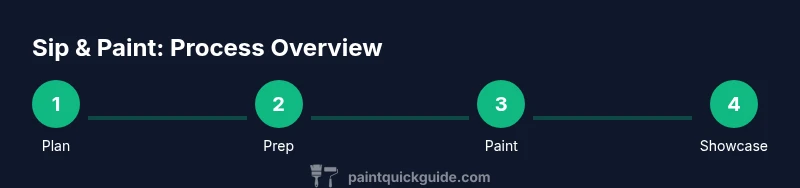
- 1
Define format and guest count
Set the session length, choose between a guided or freestyle format, and confirm RSVP methods. Establish a realistic headcount to determine supplies and staffing needs. This initial step influences the flow of the entire event.
Tip: Pro tip: lock in a cap on attendees and have a waiting list to manage oversubscription. - 2
Select painting project and demo plan
Choose a simple, repeatable design that beginners can complete in the session. Prepare a quick live demo or a printed step-by-step guide to display at each station.
Tip: Pro tip: prepare a grayscale reference image to teach value and shading before color. - 3
Set up painting stations and flow
Arrange stations with equal work surface, lighting, and visibility for the instructor. Include a visible color palette and a reference line for color placement to keep the class cohesive.
Tip: Pro tip: place a sample finished piece at the front so guests know the target outcome. - 4
Establish safety and alcohol policy
Post a brief safety brief about handling brushes, paints, and beverages. If alcohol is served, create a separate beverage area and ensure guests are able to move safely around the room.
Tip: Pro tip: designate a sober supervisor to monitor consumption and safety. - 5
Distribute materials and run a quick demo
Hand out canvases, paints, brushes, and water cups. Do a 3-minute live demonstration highlighting brush technique and color mixing basics.
Tip: Pro tip: gather questions during the demo to maintain engagement. - 6
Guide participants through painting steps
Lead guests through each stage of the project with clear, timed prompts. Walk the room, offer individual tips, and encourage experimentation while keeping the pace relaxed.
Tip: Pro tip: employ a helper at each station to keep things moving smoothly. - 7
Provide finishing touches and display artwork
Assist in final details, offer varnish or sealant if appropriate, and organize a mini-gallery where everyone can view completed pieces.
Tip: Pro tip: photograph each finished piece for social sharing and feedback. - 8
Wrap up and gather feedback
Conclude with quick feedback prompts and thank participants. Offer a sign-up option for future sessions and provide a simple checkout process.
Tip: Pro tip: provide a printed handout with next-session options and contact details.
Your Questions Answered
Do I need any painting experience to host a sip and paint event?
No. Sip and paint events are designed for beginners and casual painters. Provide simple prompts, a basic project, and step-by-step demonstrations so everyone can participate.
No experience is required; it’s beginner-friendly with simple prompts and a guided painting flow.
What project should I choose for beginners?
Select a design with clear shapes and limited detail, such as landscapes with bold color blocks or simple geometric designs. Keep the palette restricted to 5–7 colors to reduce overwhelm.
Choose a simple, bold design with clear shapes and a limited color palette.
How should I handle alcohol at the event?
If you serve alcohol, implement age verification, limit consumption, and keep drinks away from the painting area. Provide plenty of non-alcoholic options and water.
If you serve alcohol, verify ages, moderate consumption, and separate drinks from painting.
How much space and seating do I need?
Provide one painting station per attendee with enough room for movement and for instructors to circulate. Ensure clear aisles and accessible seating options where possible.
Ensure each guest has a station with space to move and a clear path around.
What equipment is essential?
At minimum: canvases, paints, brushes, water cups, and paper towels. Have extra spares and a quick-clean station for spills.
Essentials are canvases, paints, brushes, water, and towels; have extra spares.
How can I keep guests engaged throughout the session?
Mix demonstrations with guided steps, encourage questions, and offer positive feedback. End with a small show-and-tell to celebrate each artwork.
Keep a steady pace with demos, invite questions, and celebrate every finished piece.
Watch Video
Quick Summary
- Plan a simple project with clear steps.
- Prepare stations and materials in advance.
- Maintain a relaxed, inclusive pace.
- Provide demonstrations and opportunities for feedback.
- Brand-conscious hosts should document results and invite future events.