Online Paint by Number: A Practical DIY Guide for Beginners
Discover how online paint by number works, how to pick a kit, and how to finish projects with confidence. This PaintQuickGuide tutorial covers setup, color maps, basic techniques, and finishing tips for beginners and hobbyists.


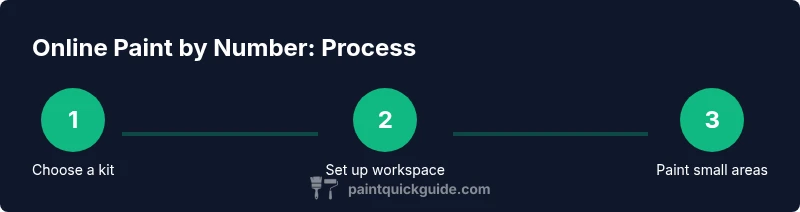
This guide helps you complete an online paint by number project from start to finish. You’ll learn how to choose a kit, set up your workspace, organize colors by number, and apply paint with smooth strokes for a polished result. Expect practical, beginner-friendly steps and tips that boost confidence as you create.
What is online paint by number?
Online paint by number is a modern iteration of a classic craft. It combines a canvas or digital surface divided into numbered sections with a matched color palette. As you apply each color to its corresponding area, the image gradually becomes visible. According to PaintQuickGuide, this format is highly beginner-friendly because it provides clear maps and forgiving results. The PaintQuickGuide Team notes that many hobbyists appreciate the structured approach and the satisfaction of watching a complete image emerge from simple steps.
In practice, you’ll typically work with a set of numbered paints or a color-by-number file. Your goal is to fill each area with the color that matches its number. While it resembles traditional painting, the process is designed to minimize guesswork, making it an accessible entry point for people trying painting for the first time. Whether you’re relaxing after work or exploring a new hobby, online paint by number offers a predictable path to a finished piece without needing advanced art training.
How to choose an online paint by number kit?
Choosing the right kit sets you up for success before you even begin. Look for clear linework, a generous color range, and a canvas that lies flat with minimal warping. Digital options should include a high-contrast color key and an image you enjoy. If you’re new, start with a simple subject and a medium-sized canvas for quicker wins. Seek kits that provide a detailed color map and good edge definition, as these features reduce material waste and frustration. PaintQuickGuide’s guidance emphasizes choosing kits with well-printed numbers and consistent color tones to prevent muddy results. A thoughtful choice also means you’ll reuse the technique on future projects and build confidence faster.
Beyond the image itself, check whether the kit includes enough paint to finish without running short. Some hobbyists prefer kits that offer optional backup colors or a color-matching guide. For digital kits, verify the file format works well with your device and that the color map remains legible at the intended print size. By starting with a kit you genuinely like, you’ll stay motivated throughout the painting process.
Understanding color maps and numbers
Color maps pair each area with a number that corresponds to a specific color. This system minimizes guesswork and helps you stay within the lines. If your kit uses a digital map, you’ll still follow the same principle: match the number to the color and apply it to the specified region. The idea is to layer colors gradually, building depth without rushing. PaintQuickGuide Analysis, 2026 notes that clear color maps and intuitive numbering are major factors in a satisfying experience for beginners, so prioritize those features when browsing options. If you ever feel unsure, zoom into the image for a closer look at tiny details and confirm you’re painting the correct region.
Keep a small color-reference guide handy and cross-check as you work. Consistency in brush pressure and color saturation is key to achieving smooth, even fills. With practice, you’ll notice your edges become crisper and your shading more deliberate, making even simple designs feel polished.
Planning your workspace and materials
A well-organized workspace makes online paint by number feel effortless. Choose a sturdy table with ample lighting, ideally neutral daylight or a bright lamp that won’t cast color shadows on the canvas. Keep water, paper towels, and a clean cloth within reach, and set aside a space for drying. A comfortable chair and a timer can help you pace your session so you don’t rush delicate areas. As you prepare, remember to protect your work surface with a mat or old newspaper. A calm, uncluttered setup reduces mistakes and helps you focus on color separation and precision.
If you’re using a digital kit, ensure your screen is clean and your color profile is calibrated for consistency between the device and the printed version. This alignment prevents unexpected color shifts when you transfer or view your finished piece offline. For long projects, plan shorter sessions to maintain brush control and prevent fatigue from affecting detail work. A steady routine yields cleaner results and more enjoyable painting sessions.
Sorting colors and preparing your palette
Begin by laying out colors in numerical order so you can reach the next shade quickly. Use a palette or tray with shallow wells to keep colors distinct and to prevent bleed between tones. If your kit provides paint in individual pots, open only what you need to minimize waste and keep your area tidy. Label paints with numbers if they aren’t already marked, and group similar hues to ease blending if your design calls for it.
Test each color on a scrap area to confirm brightness and saturation before applying to the main canvas. This pre-check helps you avoid strokes that appear too dark or too light once dried. A simple habit of testing also reduces the likelihood of repainting large sections later. Maintaining an organized palette supports consistent color application across the entire project and makes it easier to reproduce the same look on future designs.
Starting with large color areas for confidence
Begin with the largest, most open spaces that correspond to your base colors. Large areas are forgiving, making it easier to establish the overall balance of the painting. Apply color using broad, even strokes and avoid overloading the brush, which can lead to pooling. Work from top to bottom or from one edge inward to minimize smudges on completed sections.
As you proceed, maintain even brush pressure and a steady hand. If you see stray marks on the border lines, gently clean the edge with a damp brush or cloth before the paint dries. This approach yields cleaner borders and reduces the time you spend correcting edges later in the process.
Building detail with mid-sized and small areas
After you’ve established the base, move to mid-sized areas and then the smaller details. Use smaller brushes for precision without sacrificing control. Take your time to follow the numbered sequence, especially around intricate shapes or curves. Layer colors gradually to create subtle shading and depth instead of trying to fill every area in a single pass.
Regularly step back to view the painting from a distance; this helps you spot uneven tones or rushed edges. If you notice color bleeding outside the lines, correct it promptly with a small amount of the neighboring color on a clean brush. With careful layering and attention to line accuracy, your final piece will resemble the intended image more closely.
Allowing layers to dry and adding depth
Some online paint by number designs benefit from drying between color layers, especially when colors are close in value. Allowing a short drying period helps prevent smudging and color mixing on the surface. You can use this time to clean your brushes, organize your colors for the next layer, or plan the next color sequence. When you resume, pick up with gentle, deliberate strokes to maintain consistency across sections.
If you’re working with digital files and printed canvases, ensure the printed version remains legible after drying to keep your color map readable. Wet-to-dry transition affects the appearance of some paints, so give yourself space to adjust as needed. This patience pays off with smoother blends and a cohesive final look.
Inspecting, fixing gaps, and highlights
Once all major areas are filled, inspect the painting for gaps or thin lines along edges. Use a fine brush to carefully seal any gaps and re-check color consistency. Small highlights can be added to emphasize light sources and create more depth, especially in portrait or landscape designs. This step rewards meticulous attention and helps you achieve a more professional finish.
If you accidentally color outside the lines, don’t panic. Wait for the area to dry, carefully retrieve the correct neighboring color, and re-apply along the border. A steady hand and patience during this stage will give you a crisp result without needing major touch-ups later. Remember, practice improves technique even for simple designs.
Tools & Materials
- Online paint by number kit (canvas with numbered areas)(Ensure it includes a color map and enough paint for the design.)
- Acrylic paints matching the kit’s numbers(If the kit doesn’t include all colors, substitute with a compatible acrylic set.)
- Soft nylon brushes (assorted sizes)(Include a fine liner brush for details.)
- Water cup(Use a dedicated jar or cup to avoid cross-contamination.)
- Palette or mixing tray(Shallow wells help keep colors separate.)
- Paper towels or lint-free cloth(For cleaning brushes and dabbing excess paint.)
- Good lighting(Neutral daylight or daylight-balanced lamp improves color accuracy.)
Steps
Estimated time: 60-90 minutes
- 1
Gather and verify supplies
Collect the kit, paints, brushes, water, and a clean work surface. Check that all numbered colors match the color map and confirm you have a suitable workspace. This initial check prevents mid-project shortages and distractions.
Tip: Create a dedicated painting station to minimize interruptions. - 2
Set up your workspace
Position the kit at a comfortable height with ample lighting. Place water within reach and set up a spare surface for mixing. A tidy area reduces mistakes and speeds up the painting flow.
Tip: Keep a small trash bin nearby to discard used paper towels. - 3
Open the kit and review the map
Unpack and familiarize yourself with the color map. Ensure the numbers on the map align with the paint jars, and confirm there are no duplicate numbers.
Tip: Flag any missing colors early so you can substitute without delaying progress. - 4
Sort colors by number
Arrange paints in numeric order for quick access. Group similar hues to ease blending, but keep them separate to prevent accidental mixing.
Tip: Label jars if numbers aren’t visible for quick reference. - 5
Test brushes and colors
Dip a brush in water, then test a small area on scrap paper to gauge paint flow and color intensity. Adjust brush pressure before applying to the canvas.
Tip: A dry brush can produce crisper lines on borders. - 6
Start with large areas
Fill the biggest color blocks first to establish the overall composition. Use broad, even strokes and avoid heavy hand pressure that could flood lines.
Tip: Work from one area to adjacent ones to maintain consistency. - 7
Fill mid-sized areas and edges
Switch to mid-sized brushes for mid-tones and edge work. Maintain steady pressure and follow the numbers precisely to keep borders sharp.
Tip: Pause slightly at borders to prevent paint from crossing lines. - 8
Build layers for depth
Apply one layer and allow it to dry before adding a second for depth. Layering prevents muddy colors and yields richer tones.
Tip: If colors appear dull, consider a light glaze of a neighboring color after drying. - 9
Inspect and finish
Review the image for gaps or uneven edges. Make precise corrections, then seal or frame as desired. Cleanup ensures your project stays pristine.
Tip: Take a final look from a distance to spot any missed spots.
Your Questions Answered
What is online paint by number and how does it work?
Online paint by number uses a numbered color map and a corresponding palette to guide painting. The process is designed to be beginner-friendly by providing a clear path from start to finish without requiring advanced art skills.
Online paint by number uses a numbered color map to guide your colors; it’s simple and beginner-friendly.
Do I need painting experience to start?
No. The format is designed for beginners and hobbyists, offering structure and gradual steps you can follow to achieve satisfying results.
You don’t need experience; it’s built for beginners to enjoy painting.
What if I can’t find a color match in my kit?
Substitute with a close shade and blend with neighboring colors. Keep notes of the substitutions for consistency on future projects.
If you’re missing a color, use a close shade and blend; keep track for future use.
How long does it take to finish a kit?
Completion time varies by design complexity and your pace. Plan for a few painting sessions rather than a single long stretch.
Finish times vary; plan for a few sessions if it’s a detailed design.
Can online paint by number be done on devices other than paper?
Yes. Many kits come as printable PDFs or digital canvases that you can view on tablets or computers while painting with real paints on a canvas or printed surface.
You can use a tablet or computer to view the design while you paint on the canvas.
Is it safe for kids to try online paint by number?
Yes, with adult supervision. It’s a low-muss approach to painting that can be enjoyable for children and parents alike.
It’s kid-friendly with supervision, making it a fun family activity.
Watch Video
Quick Summary
- Choose a kit with a clear color map and ample paint
- Organize colors by number to speed up painting
- Layer colors gradually for depth and precision
- Maintain steady brush control for clean edges
- Finish with a final inspection to catch any gaps