How to Paint by Numbers: A Step-by-Step Guide
Master the art of paint by numbers with a practical, beginner-friendly guide. From kit selection and surface prep to color mapping, layering, and finishing, this tutorial covers everything you need for a durable, satisfying artwork.


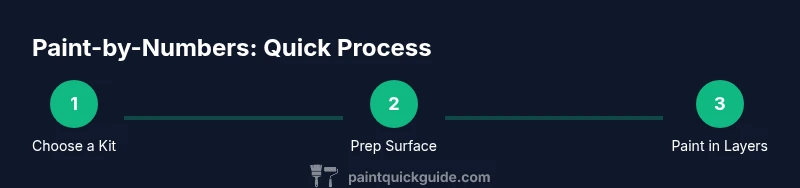
With this guide, you’ll complete a paint-by-numbers project from kit selection to a polished finish. You’ll learn how to choose a kit, prep your painting surface, map colors from the legend, apply paints in the correct sequence, blend when needed, and seal the final piece for long-lasting color. Perfect for beginners and hobbyists.
Why paint by numbers is approachable
Paint by numbers is celebrated for its accessibility, and it isn’t just for kids. The method provides a clear framework: a numbered color key, a pre-sketched canvas, and a curated set of paints that correspond to each section. This structure removes the guesswork, allowing you to focus on color matching, brush control, and gradual progress. According to PaintQuickGuide, paint-by-numbers lowers entry barriers for aspiring artists by providing a clear path from color key to finished piece. The PaintQuickGuide Team has found that beginners gain confidence quickly when they follow a structured workflow. The result is a satisfying, low-pressure way to enjoy creative time while producing a piece you can be proud of.
At its core, the technique teaches patience, observation, and decision-making. You learn to observe light and shadow in simple terms, identify areas that share a single color, and see how small color adjustments can alter depth. As you practice, you’ll notice your brush control improves and your color decisions become more deliberate. This educational benefit is exactly whyPaintQuickGuide recommends starting with a ready-made kit before attempting more complex freehand painting.
The beauty of the process is that you can tailor it to your pace. Some people complete a single color in one sitting, while others spread a kit across a weekend. Take it as a personal project with a pace that fits your schedule. The key is consistency and delight in small, progressive wins, not perfection from the first attempt.
What you need to get started
Before you dive in, gather the essentials and set up a comfortable workspace. A clean, well-lit table or desk with minimal distractions makes a huge difference in your focus and results. Have everything within arm’s reach so you don’t have to pause to hunt for brushes or a cup of water. A protective mat or old newspaper under the painting helps prevent spills and keeps your area tidy. If you keep a sketchbook handy, you can jot down observations about color balance and shape accuracy as you work.
The kit itself is your primary resource. Most paint-by-numbers sets include a pre-printed canvas, numbered paint tubes or pots, and a color key. You’ll usually find a few complementary tools such as a fine brush, a medium brush for larger areas, a water cup, a palette or mixing tray, and a cloth or paper towels for blotting. While not strictly required, a magnifying lamp can help when you’re focusing on small details. Look for a kit with a reliable color key and clearly labeled numbers to minimize confusion as you progress. As you build your setup, remember that comfort and focus are more important than speed; steady, mindful strokes yield the best results.
Picking a kit and reading the color legend
Choosing the right kit is a foundational step toward a satisfying finish. Start by selecting a painting subject that resonates with you—whether it’s a tranquil landscape, a pet portrait, or a simple still life. A subject you enjoy increases motivation to complete the project. Check the color palette and ensure there are enough shades to capture depth and shading. The legend should clearly map each number to a color, and the numbers on the canvas should be easy to read. A kit with larger printed numbers on the palette reduces eye strain and helps maintain accuracy, especially for beginners.
As you study the legend, group similar colors so you can work with contiguous tones. Some artists prefer to start with warm colors first, then move to cool tones, building a sense of depth as they progress. If you’re unsure, practice on a blank corner or a test surface to get a feel for brush loading and pigment flow before committing to the main canvas. Finally, verify that the paints are non-toxic and properly labeled; this ensures a safe, comfortable painting experience for all ages involved.
Workspace setup and canvas prep
A clean, organized workspace supports steady progress and reduces errors. Clear a flat surface, place the canvas on an easel or stabilized board, and clamp it if necessary to prevent movement. Light is essential: aim for daylight-balanced or bright artificial lighting to accurately distinguish color values and avoid fatigue. Arrange your brushes in a damped but not dripping condition—excess water can cause paint to bead and blur details. Use a dedicated palette or tray for each color family to minimize cross-contamination and confusion when loading the brush.
Before you begin painting, inspect the canvas for scratches, dust, or stray fibers and lightly brush them away. If the surface feels slightly rough, you can gently smooth it with a soft brush—but avoid sanding or altering the printed lines, which could affect paint adherence. Keep a small bowl of water handy for rinsing brushes and a clean cloth for occasional blotting. Finally, position yourself so that your dominant hand is comfortable and your elbow is supported; posture matters for long sessions, especially when you’re filling larger areas.
Tip: Place a scrap sheet of paper beneath your wrist to prevent pigment transfer onto the canvas while you paint detailed regions.
Painting sequence, color mapping, and layering
The core technique is simple: follow the color legend, fill matching areas, and avoid crossing into neighboring numbers. Start with larger shapes to establish the composition, then progressively refine with smaller, more detailed sections. Apply paint in thin, even coats and allow each layer to dry before moving to adjacent areas to prevent muddy color mixing. If a color appears too flat, you can gently layer a lighter or darker shade to create subtle depth—this is especially effective in regions with implied form like folds, shadows, or highlights.
Blending is often unnecessary in strict paint-by-numbers work, but you can emulate shading by feathering adjacent colors with a barely damp brush. Clean up the edges by running the brush along the boundary with minimal pressure. If you encounter a stubborn edge, consider using a slightly smaller brush for more precise control. Remember to keep the color keys visible and consult them as you switch between large and small areas.
A practical strategy is to complete one color family at a time, especially for kits with many light and dark variants; this helps prevent color fatigue and reduces back-and-forth. Step back every so often to assess overall balance and adjust where necessary to avoid over-saturation in any single region.
Finishing touches and protective coatings
Once the painting is fully colored, give it time to dry completely. Inspect for any gaps or rough edges and touch up as needed before sealing. A light varnish can help protect the surface from dust and UV exposure, but you should choose a varnish compatible with your paint type and finish (matte, satin, or gloss). If your kit uses water-based acrylics, a water-based sealant is typically safest and easiest to work with.
Apply the sealant in a well-ventilated area, using light, even coats. Avoid thick layers that can cause runs or uneven sheen. Allow the final coat to cure fully according to the product’s instructions before handling the artwork. Label and store the finished piece away from direct sunlight to preserve color accuracy. A frame or protective glass can further extend your piece’s life, depending on where you plan to display it.
Concluding insight: by following a structured approach, even absolute beginners can complete a polished painting that reflects their personal style. The key is patience and consistent practice.
Common pitfalls and quick fixes for paint-by-numbers
Even seasoned hobbyists encounter minor hiccups. If you notice paint pooling in corners, reduce your brush load and apply thinner coats, allowed to dry between layers. When colors bleed slightly, gently wipe away excess pigment with a clean brush or a damp cloth before it dries. A common issue is the paint tube or pot drying out; keep lids tightly closed and consider resealing any poorly sealed containers to maintain pigment consistency across sessions.
Another frequent challenge is color confusion during a busy step. If several numbers look very similar, create a small swatch chart on the side and compare under different light. This practice helps you make deliberate choices rather than guesswork. If you’re working on a complicated scene, take regular breaks to reassess the overall composition; returning with fresh eyes often helps you spot imbalances you missed before.
Perseverance pays off: most projects improve dramatically with ongoing practice, and even modest improvements can yield rewarding results. The joy of painting-by-numbers is that incremental gains accumulate into a finished artwork you can be proud of.
From hobby to habit: cultivating enjoyment and sharing your work
To sustain momentum, schedule regular painting sessions and set achievable weekly goals. Sharing your progress with friends or online communities can provide encouragement and feedback that fuels motivation. Keep your kit collection organized so you can easily switch between projects, and don’t hesitate to try new subjects once you’re comfortable with your current kit. The act of finishing a painting is not only a completed project but a clear measure of your growing skill and patience.
As you gain confidence, you can expand into more advanced painting-by-numbers variants, experiment with shade and tone on your own, or even adapt your favorites scenes into larger canvases. For many hobbyists, the practice becomes a relaxing ritual that blends creativity with mindful focus. The PaintQuickGuide team encourages you to celebrate every completed piece as evidence of your progress.
Tools & Materials
- Paint-by-numbers kit (canvas with numbers, numbered color keys)(Ensure the color key is readable and contains all colors.)
- Fine detail brushes (sizes 0, 00)(Use a separate fine brush for small areas to avoid color bleed.)
- Medium brushes for larger areas(Good coverage with minimal stroke lines.)
- Water cups (2)(One for rinsing, one for clean water.)
- Palette or mixing tray(Use separate wells for each color family.)
- Paper towels or clean cloth(Blot gently to control moisture on the brush.)
- Masking tape or painter’s tape(Useful for clean edges on borders.)
- Clear protective sealant (optional, acrylic-based)(For long-term color protection after drying.)
Steps
Estimated time: Total time: 3-5 hours
- 1
Unbox and inspect the kit
Carefully open the kit and check that the canvas, color pots, and color key are present. Make a quick note of any missing items and confirm the colors align with the legend. This prevents mid-project scrambles and keeps you focused on painting.
Tip: Check the color key against the printed numbers on the canvas before you start. - 2
Set up your workspace
Clear a flat, well-lit area. Place the canvas on an easel or stable surface. Arrange brushes, water, and a palette within easy reach. Good lighting reduces eye strain and improves color matching during longer sessions.
Tip: Use a daylight-balanced lamp to keep colors accurate. - 3
Organize paints and brushes
Sort colors by family (warm, cool, neutrals) and line up corresponding brushes. This reduces switching back and forth and keeps your workflow smooth. Rinse brushes between color changes to avoid muddy edges.
Tip: Keep a damp brush close to hand for quick transitions. - 4
Start with large areas
Begin by filling the largest numbered sections with their corresponding colors. Use thin, even layers and let each layer dry before adding a second coat to avoid smudges. This creates a solid foundation for subsequent detailing.
Tip: Load brush with a light touch; heavy loading causes bleed. - 5
Progress to mid-size details
Move to medium-sized areas, matching numbers to the legend. Maintain consistent brush pressure and work methodically across the design to keep the piece cohesive. If a line boundary seems fuzzy, carefully redraw the edge with a clean brush.
Tip: Keep saturation even; avoid overworking any single area. - 6
Add highlights and shading
Use lighter and darker tones to hint at light sources and depth. This step adds dimension without overcomplicating the number scheme. Build shading gradually in subtle layers rather than a single heavy stroke.
Tip: Blend lightly at the edges for a natural transition. - 7
Finish and seal
Allow the painting to dry fully, then apply a protective sealant if desired. Choose a finish that suits your aesthetic (matte, satin, or gloss) and follow product directions for curing times. Framing can enhance the final presentation.
Tip: Ventilate the area well during sealing and curing.
Your Questions Answered
What is paint-by-numbers and who is it for?
Paint-by-numbers is a guided painting method that uses a numbered color key to guide you through filling in a pre-sketched canvas. It’s ideal for beginners, hobbyists, and anyone who wants a low-stress way to create art.
Paint-by-numbers is a beginner-friendly art activity that uses numbers to guide color placement.
Do I need artistic talent to start?
No special talent is required. The system provides structure, while your personal choices in color and composition develop with practice. Most people improve their technique as they work through multiple kits.
No talent required; it’s designed for beginners to build skills as they go.
Can I reuse the canvas or paints after finishing?
The canvas is typically one-time-use for the kit. Paints can sometimes be used on similar surfaces in future projects if kept properly sealed, but color accuracy may vary between projects.
The canvas is usually a one-time surface, but you can repurpose paints for new projects if they’re still in good condition.
How long does a kit take to complete?
Durations vary by kit size and your pace. Most hobbyists complete a standard kit within a few sessions, allowing breaks to maintain focus and motivation.
It varies, but expect a few sessions to finish a typical kit.
What is the best way to seal a finished painting?
Choose a compatible sealant (water-based acrylic preferred for most paints) and apply in thin, even coats. Follow drying times precisely and work in a well-ventilated area for safety and best results.
Use a compatible sealant in thin coats to protect your work safely.
Watch Video
Quick Summary
- Follow the color legend precisely for accurate results
- Prepare your workspace to improve focus and speed
- Layer paint in thin coats for better coverage
- Keep brushes clean to avoid color bleed
- Seal the finished piece to protect colors long-term