How to Paint a Bathroom Cabinet: A Complete Step-by-Step Guide
Learn with PaintQuickGuide how to paint a bathroom cabinet—from prep and priming to finishing. This comprehensive guide covers materials, techniques, timing, and maintenance for a durable, moisture-resistant result.


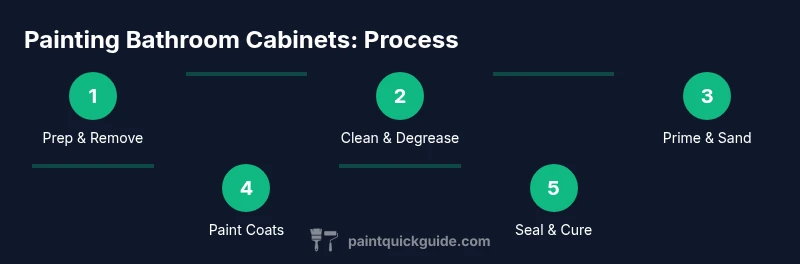
Transform a tired bathroom cabinet by following a tested prep-prime-paint-seal workflow. This quick-start summary covers material choices, moisture considerations, surface preparation, and finishing steps to help you achieve a durable, wipe-clean surface that resists humidity and daily cleaning agents. With the right approach, you can achieve a professional-looking result in a weekend.
Why paint a bathroom cabinet
According to PaintQuickGuide, repainting a bathroom cabinet is one of the most cost-effective upgrades for improving moisture control, storage efficiency, and the overall look of a small space. Bathrooms are humid environments; cabinets face splashes from toothpaste, cleaners, and hair products, which can wear away coatings over time. A fresh coat of paint not only updates color but also protects wood or MDF from moisture and staining. Properly chosen finishes — typically a moisture-resistant latex or enamel with a semi-gloss sheen — resist humidity and are easier to clean than flat paints. The goal is a durable, wipe-clean surface that withstands daily use without showing water marks or chipping. A well-executed cabinet makeover can boost perceived value and brighten a dim bathroom. PaintQuickGuide Team emphasizes that preparation matters more than the topcoat; flawless adhesion starts with cleaning, sanding, and a compatible primer. With careful planning, you can achieve professional results at a fraction of the cost of a full replacement and enjoy a refreshed space for years.
Material choices for longevity and appearance
Choosing the right paint is essential for a bathroom cabinet. For most homes, a water-based enamel or a high-quality acrylic latex in a semi-gloss or satin finish provides durable moisture resistance and easy wipe-downs. An interior-grade bonding primer helps paint adhere to slick surfaces like sealed wood or laminate without peeling. If your cabinet has heavy staining or prior peeling, a stain-blocking primer adds extra protection. PaintQuickGuide recommends selecting a finish with at least a 50–70% gloss level to optimize moisture resistance and cleanability. Remember to test color and sheen on a small sample before committing to a full cabinet repaint. The right combination of primer, paint, and topcoat will dramatically influence how long the finish lasts in a humid bathroom environment.
Prep work you should not skip
Successful cabinet painting hinges on thorough prep. Start by removing doors, drawers, and hardware to access all surfaces. Clean everything with a degreasing cleaner to remove soap scum, oils, and grime. Lightly scuff glossy surfaces with a fine sanding sponge to improve adhesion, then wipe away dust with a tack cloth. Mask adjacent areas to protect walls, countertops, and floors. If you’re working in a small bathroom, ensure good ventilation and wear a mask to minimize inhalation of dust and fumes. Good prep reduces the risk of peeling and ensures a smooth, durable finish. PaintQuickGuide stresses that faster results come from clean, well-prepared surfaces rather than hurried topcoats.
Sanding and priming for a smooth finish
Sanding creates the “tooth” paint needs to bond with the surface. Use fine-grit sandpaper (220–320 grit) or a sanding sponge to lightly scuff both flat panels and edges. Vacuum and wipe away all dust before priming. Apply a bonding primer designed for cabinets or glossy surfaces; this improves adhesion and blocks any stains or previous colors from bleeding through. Follow manufacturer directions for dry times, then lightly sand the primer with 320-grit sandpaper to ensure a perfectly smooth base for the first coat. This step is essential for a professional-looking result that won’t peel in humid bathroom conditions.
Applying paint in thin, even coats
Apply the first coat using long, even strokes in the same direction to avoid brush marks. For doors and inset panels, consider a angled brush for tight corners and a small foam roller for flat surfaces. Apply multiple thin coats rather than a single thick coat to reduce drips and ensure uniform color. Allow each coat to dry completely before the next one; humidity and temperature will affect cure times, so give extra time in high-humidity bathrooms. Lightly sand between coats to remove imperfections and promote adhesion. Two to three thin coats typically yield the best balance of color depth and durability.
Sealing and curing for long-lasting durability
Finish with a clear protective topcoat suitable for bathrooms, such as a water-based polycrylic or polyurethane, to seal the paint and resist moisture. Apply thin coats and allow full cure time before reassembling doors and hardware. For best results, avoid cleaning with abrasive cleaners that can wear down the finish; instead use a mild detergent and a soft cloth. Proper curing time is crucial, especially if you’ve used a bonding primer or enamel paint. A properly sealed cabinet will resist humidity, stains, and cleaning agents for years to come.
Time, cost, and maintenance considerations
Budgeting for a cabinet paint project involves material costs, tools, and time. A typical mid-range bathroom cabinet repaint—for a standard vanity—can require 6–12 hours of labor across a weekend, including drying intervals. Material costs vary with brand choices and the number of coats, but expect to invest in primer, two to three coats of paint, and a topcoat. Maintenance is straightforward: clean with a mild soap solution and wipe dry. Repainting every 5–7 years or as needed based on wear will keep the bathroom looking fresh. PaintQuickGuide analysis shows that higher-quality water-based enamels can extend the life of the finish, reducing the need for early touch-ups and rework. This balance between upfront investment and long-term durability is the key to a satisfying bathroom cabinet makeover.
Authority sources for further reading
- University extension resources on cabinet refinishing and moisture-friendly finishes: https://extension.oregonstate.edu
- Practical guidance on indoor finishing and safety: https://extension.psu.edu
- Safety guidelines for solvent and fume exposure in home projects: https://www.osha.gov
Common pitfalls and troubleshooting
Common mistakes include skipping proper cleaning, over-sanding glossy surfaces, and applying thick coats that lead to drips and longer cure times. If the finish looks uneven after the first coat, revisit surface prep and ensure the primer is truly bonding to the substrate. Humidity can extend dry times; adjust your schedule to allow adequate cure periods between coats. Always test the sheen and color on a small area before committing to the entire project.
Tools & Materials
- Drop cloths or old blankets(Cover nearby floors; protect surrounding fixtures.)
- Degreasing cleaner or mild dish soap(Use a dedicated degreaser or household soap to remove oils.)
- Sponge or microfiber cloths(For thorough cleaning and wiping dust.)
- Fine-grit sandpaper or sanding sponges (220–320 grit)(Lightly scuff glossy surfaces to aid adhesion.)
- Sanding block or electric sander(Optional for larger flat areas to speed up prep.)
- Painter’s tape(Mask edges and protect hardware surfaces.)
- Bonding primer (stain-blocking if needed)(Improve adhesion on slick surfaces and blocks bleed-through.)
- Water-based enamel or acrylic latex paint (semi-gloss or satin)(Choose moisture-resistant formula suitable for bathrooms.)
- Topcoat sealer (water-based polycrylic)(Protects the paint from humidity and cleaners.)
- Angled brush (2–2.5 inches)(For accurate edges and corners.)
- Detail brush or small foam roller(Helps smooth surfaces and coat panels evenly.)
- Ventilation mask or respirator(Protect against fumes in confined bathrooms.)
- Safety gloves and eye protection(Prevent skin and eye contact with cleaners and paint.)
- Drop cloths for doors (if removing)(Keeps painted surfaces clean while drying.)
- Stir sticks and painter’s tray(Keep paint consistent and ready for application.)
- Heat gun or hair dryer (optional)(Used to speed up curing on tight deadlines.)
Steps
Estimated time: Estimated total time: 6-12 hours (spread across days or a weekend)
- 1
Remove hardware and detach doors
Take off knobs, hinges, and any other hardware. Place doors and drawers in a safe, labeled spot to avoid mix-ups during reassembly. Removing components ensures you can coat all surfaces evenly, including edges and interiors of frames.
Tip: Label parts with masking tape and numbers to match to their original positions. - 2
Clean surfaces thoroughly
Mix a degreasing cleaner with water and wipe all surfaces until they are free of soap film, oils, and residue. Rinse with clean water and let dry completely before proceeding. Any grease will prevent primer from sticking and cause peeling later.
Tip: Use a microfiber cloth for best lint-free results. - 3
Mask surrounding areas
Apply painter’s tape along edges adjacent to walls and countertops. Cover any hardware areas you won’t remove completely to prevent accidental paint transfer. This keeps borders sharp and reduces cleanup after finishing.
Tip: Press tape firmly to avoid paint bleed-under. - 4
Sand glossy surfaces
Gently sand all glossy areas with fine-grit sandpaper to create tooth for the primer. Wipe away dust with a tack cloth. This step is small but crucial for lasting adhesion.
Tip: Avoid over-sanding, which can round corners and create uneven edges. - 5
Apply bonding primer
Spread a thin coat of bonding primer over all surfaces. If you’re dealing with stains or watermarks, use a stain-blocking primer. Let it dry per manufacturer instructions and lightly sand to remove imperfections.
Tip: A light, even coat prevents peeling later. - 6
Prime edges and panels
Edge panels and recessed areas receive extra attention to ensure uniform color. Two light coats often outperform one heavy coat for durability.
Tip: Wait for each coat to dry before adding the next. - 7
Paint first coat
Apply the first coat of paint with long, even strokes, keeping a wet edge to minimize lap marks. Use a high-quality brush for corners and a small foam roller for flat surfaces.
Tip: Keep coats thin to avoid drips and uneven texture. - 8
Sand lightly between coats
After the first coat dries, lightly sand with 320-grit sandpaper to smooth any imperfections. Wipe clean of dust before applying the second coat.
Tip: Don’t skip between coats; adhesion is key. - 9
Apply additional coats and seal
If color coverage isn’t even, apply a second or third coat. Finish with a clear topcoat designed for bathrooms to seal the surface against humidity and cleaners.
Tip: Ensure full cure time before reinstalling doors.
Your Questions Answered
Do I need to remove doors and hardware to paint a bathroom cabinet?
Yes. Removing doors and hardware gives you full access to all surfaces, including edges and inside panels, ensuring even coverage and a smoother finish.
Yes. Take off doors and knobs so you can paint every surface evenly.
What type of paint is best for a bathroom cabinet?
A water-based enamel or acrylic latex with a semi-gloss or gloss finish offers durability and moisture resistance, making it ideal for bathrooms.
Use a moisture-resistant water-based enamel or latex with a semi-gloss finish.
How long should each coat dry before applying the next?
Drying times vary with temperature and humidity, but plan about 2–4 hours between coats in typical bathroom conditions. In high humidity, allow longer.
Typically 2 to 4 hours between coats, more in humid spaces.
Is sanding between coats really necessary?
Yes. A light sanding between coats removes tiny imperfections and helps adhesion for the next layer.
A quick, gentle sanding between coats helps the finish stay smooth.
Can I spray paint cabinets in a bathroom?
Spray painting is possible, but requires proper ventilation and clean, controlled conditions to avoid drips and uneven coverage.
Spray painting is doable with good ventilation and careful technique.
How durable will the finished cabinet be?
If you follow prep, priming, multiple thin coats, and a proper topcoat, the finish can last for years with regular cleaning.
With proper steps, the finish should last for years with normal cleaning.
Watch Video
Quick Summary
- Prepare surfaces thoroughly for best adhesion
- Choose moisture-resistant finishes for bathrooms
- Apply multiple thin coats for durable coverage
- Seal with a bathroom-safe topcoat to protect from humidity