How to Install Paint: A DIY Guide
Learn how to install paint with a practical, step-by-step approach. From prep and priming to applying coats and curing, this home-friendly guide covers interior and exterior projects, safety tips, and cleanup.


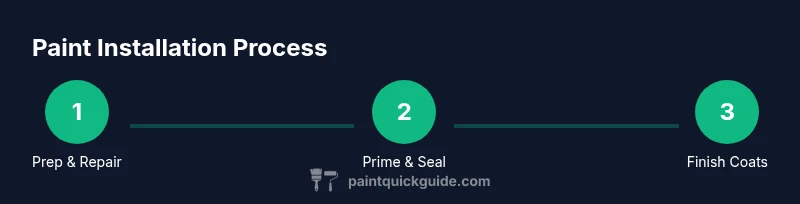
Learn how to install paint with confidence by following a proven process for prep, priming, application, and finish. This guide covers interior and exterior scenarios, choosing the right paint and sheen, and the step-by-step technique to apply even coats, plus safety, cleanup, and curing tips. According to PaintQuickGuide, preparation and proper layering are keys to lasting results.
Understanding the scope of "install paint" and when it's appropriate
Installing paint refers to the complete process of preparing a surface, selecting the right product, applying it correctly, and allowing it to cure to its final finish. It covers interior walls, ceilings, trim, exterior siding, and specialty surfaces like cabinets or furniture. While the term "install" isn't a technical wall-to-wall phrase in painting, it captures the full lifecycle from surface prep to the final coat. A well-executed paint installation results in even coverage, accurate color, and durable protection. The PaintQuickGuide approach emphasizes starting with a clean slate, choosing a compatible primer, using the right sheen, and maintaining consistent technique across rooms or projects. Remember that preparation and layering order influence longevity, appearance, and ease of future maintenance.
Essential materials and surface prep
Successful paint installation begins with thorough surface preparation. The most common issues—dust, grease, old flaking paint, and glossy finishes—need to be addressed before you open a can. Start by cleaning the surface, making minor repairs, and sanding glossy areas to create tooth for the new coating. Patch holes with appropriate filler, wipe away dust, and allow any repairs to dry completely. Lightly scuff sanding helps adhesion for new paint, especially on glossy finishes. Primers or sealers are often required to improve coverage, block stains, and ensure a uniform base color. Plan your prep time to avoid rushing, which can lead to missed spots or peeling later.
Paint types, finishes, and color selection
Choosing the right paint type and finish is central to a successful installation. Interior projects typically use latex-based paints for easy cleanup and low odor, while oil-based or alkyd paints offer durability in high-traffic areas. Exterior projects demand weather-resistant acrylic or alkyd blends with excellent adhesion and UV resistance. Sheen choices—flat, eggshell, satin, semi-gloss, and gloss—affect both aesthetics and washability. Lighter colors can reveal lap marks if coats aren’t even, while darker shades may require extra coats. Consider the room's lighting, purpose, and cleaning needs when selecting color and finish.
Tools, safety, and workspace setup
A quality toolkit makes paint installation faster and more predictable. Gather drop cloths, masking tape, brushes for cutting in, rollers for flat surfaces, a tray and liners, a mixing stick, and a ladder for high spots. Safety gear is essential: wear goggles, a respirator or mask for solvent-based products, and ensure good ventilation. Prepare your workspace by removing furniture or protecting it with covers, sealing off adjacent rooms, and laying down a path to the exit to minimize disruption. A well-lit, ventilated area reduces mistakes and helps you spot missed spots during cutting-in and rolling.
Interior painting technique: walls and ceilings
Begin with a slow, deliberate approach to avoid drips and lap marks. Cut in along the ceiling line and around trim using a high-quality angled brush, then switch to a roller to fill large areas with even strokes. Maintain a wet edge by overlapping slightly with each pass and rolling in a consistent pattern—stagger the rows to avoid ridges. Apply a thin first coat and let it dry fully before assessing coverage. If you see thin spots or discoloration, apply a second coat in the same order: cut-in, then wide field coverage. Wipe off drips promptly and keep a damp cloth handy for quick cleanups.
Exterior painting technique and weather considerations
Exterior painting demands attention to temperature, humidity, and surface temperature. Check manufacturer guidelines for the ideal range and avoid painting in direct sun, wind, or when rain is forecast. Clean and prepare siding or trim similarly to interior surfaces, removing mildew or dirt. Apply a bonding primer if the surface is porous or highly weathered, then use a primer-sealer to ensure uniform color. Use longer, even strokes with weather-resistant exterior paint, and allow sufficient cure time between coats. Environmental conditions influence drying times, so plan for longer sessions and avoid rushing a coat that needs time to set.
Special cases: cabinets, furniture, and automotive refinishing
Cabinets and furniture require a different approach from walls. Lightly sand, remove hardware, and use a bonding primer designed for wood or laminate. For cabinets, consider spraying or rolling to achieve a smooth finish with minimal texture. Automotive refinishing involves specialized paints and safety controls; if you’re attempting any automotive work, follow local regulations and use dedicated spray equipment in a well-ventilated space. In all cases, scuff-sand between coats and test a small area first to confirm adhesion and color stability.
Finishing, curing, and maintenance
After the final coat, avoid heavy use until the paint has cured. Open windows for ventilation and maintain a moderate room temperature to help cure evenly. Clean brushes and rollers promptly with appropriate cleaners, then store them properly. To extend finish life, protect newly painted surfaces from moisture, heat, and abrasion during the first 7–14 days of cure. Routine cleaning with mild soap and water is usually sufficient; avoid aggressive scrubbing that can wear down the topcoat. Regularly inspect for chips or peeling and touch up as needed to maintain a seamless appearance.
Tools & Materials
- Drop cloths or plastic sheeting(Protect floors and furniture from spills)
- Masking tape (painter's tape)(For clean edge lines and protecting surfaces)
- Angled sash brushes(Great for cutting in along ceilings and corners)
- Paint rollers (1/4"–1/2" nap)(Choose nap length based on surface texture)
- Roller tray and liners(Easy paint loading and cleanup)
- Sandpaper (120–220 grit)(Prepare glossy or rough surfaces for adhesion)
- Primer/sealer(Blocking stains and improving adhesion)
- Paint thinner or water (for cleanup)(Use water for latex-based paints, mineral spirits for oil-based)
- Respirator or mask(Protect lungs from fumes)
- Safety goggles(Eye protection from splashes)
- Ladder or sturdy step stool(Access high areas safely)
- Paint can opener and mixing stick(Stir thoroughly and open cans safely)
- Putty knife and filler (for repairs)(Fill minor gouges or cracks)
Steps
Estimated time: 6-12 hours
- 1
Prepare the workspace
Clear the room, protect floors, and remove hardware where possible. Set up good lighting and ventilation to keep fumes manageable. This foundational step prevents contamination of your work area and makes subsequent steps smoother.
Tip: Move furniture to the center and cover thoroughly; remove outlet covers for clean edges. - 2
Inspect and repair surfaces
Check for cracks, holes, or water damage. Fill defects with the appropriate filler, let it dry, then sand smooth. A consistent surface appearance improves primer adhesion and final color evenness.
Tip: Fill large holes first, then smaller ones; sand in a circular motion for a flush finish. - 3
Clean and degrease the surface
Wipe surfaces with a mild detergent to remove oils, dust, and residues. Rinse with clean water and allow to dry completely before priming. Clean surfaces improve adhesion and reduce imperfections.
Tip: Avoid leaving soap residue that can blister paint; dry thoroughly before painting. - 4
Lightly sand and degloss
Sand glossy finishes to create a micro-rough surface. Wipe away dust with a damp cloth. Deglossing helps the new paint adhere and reduces blotches.
Tip: For wood, a quick 150–180 grit sand is usually enough; vacuum dust before wiping down. - 5
Prime or seal the surface
Apply a primer suitable for the surface material and condition. Use a stain-blocking primer for heavy stains. Allow primer to dry per manufacturer guidance, then sand lightly for a smooth base.
Tip: Always test a small area first to verify color and adhesion. - 6
Cut in edges and corners
Using an angled brush, paint a thin edge around ceilings, trim, and window/ door frames. This creates clean boundaries before rolling the large areas.
Tip: Maintain a steady hand; wipe drips immediately to prevent hard-to-remove marks. - 7
Roll paint on walls
Load the roller evenly and apply in long, even strokes with a crisscross pattern to ensure uniform coverage. Work in small sections and maintain a wet edge to avoid lap marks.
Tip: Avoid overloading; two light coats beat one heavy coat for durability. - 8
Finish and cure
Apply a second coat if needed after the first has dried. Let the surface cure fully before cleaning or placing furniture back in place. Inspect for missed spots and touch up as necessary.
Tip: Label touch-up sections and set aside any matching paint for future repairs.
Your Questions Answered
What does it mean to install paint?
Installing paint means completing the full process from prep to final coating, including surface preparation, priming, applying coats, and curing. It ensures adhesion, color accuracy, and durability for the chosen project.
Installing paint means finishing the full process from prep to cure, to ensure a durable, even finish.
Do I need primer before painting?
In most cases, yes. Primer helps with adhesion, blocks stains, and smooths the surface so the topcoat shows true color and consistency. Some surfaces may only require a sealer, but primer is usually recommended.
Primer helps the topcoat stick and look even, so it’s usually a good idea.
How long does it take for paint to dry between coats?
Drying times vary by product and environment, but most interior latex paints dry to the touch within 1–4 hours and can accept a second coat within 4–24 hours. Always follow the manufacturer’s guidance on the can.
Dry times depend on the product and room conditions; check the can for specifics.
Is latex paint better than oil-based for interiors?
Latex (water-based) paints are typically preferred for interiors due to easier cleanup, lower fumes, and good durability. Oil-based paints offer excellent flow and leveling but require solvents and longer cleanup.
Latex is usually the better indoor choice because it cleans up easily and has fewer smells.
Can cabinets be painted without removing doors?
Yes, but for the best finish, remove doors and hardware, lightly sand, and apply a bonding primer. If you must paint in place, use careful techniques and a high-quality brush to minimize brush marks.
You can, but removing doors makes it look much better and lasts longer.
How should I clean brushes after painting?
Clean brushes promptly with the appropriate solvent or warm soapy water (depending on paint type). Rinse until the water runs clear, reshape bristles, and let dry completely before storing.
Rinse with the right cleaner, rinse again, reshape, and dry fully before storage.
Watch Video
Quick Summary
- Plan surface prep before color decisions.
- Choose primers and sheens that suit the surface and room use.
- Use technique-focused steps: cut in first, then roll with a wet edge.
- Allow proper cure time and maintain workspace safety.