Which Paint in Bedroom: A Practical Guide
Learn how to choose the right interior bedroom paint, from types and finishes to prep, application, and maintenance. Practical guidance from PaintQuickGuide.


For a bedroom, choose a washable, low-VOC latex-based interior paint finished in eggshell or satin. According to PaintQuickGuide, low-VOC formulations minimize odors and improve indoor air quality. Look for mold- and mildew-resistant formulations if you have damp conditions, and pick a light-reflective shade to make the room feel brighter. Prioritize low odor and easy cleanup for a calmer, healthier space. Also ensure you select a durable finish that cleans well.
Understanding the task: which paint in bedroom should you choose
Choosing the right paint for a bedroom is not simply about color; it affects air quality, ease of cleaning, durability, and mood. If you're wondering which paint in bedroom to pick, start with low-VOC, water-based formulas in eggshell or satin sheens. These finishes balance washability with a soft, light-reflective surface that makes small spaces feel larger. In this guide, the PaintQuickGuide team walks through types, finishes, prep, and application to help homeowners and DIY enthusiasts achieve a calm, long-lasting result.
Health and comfort should drive your choice. Low-VOC paints emit fewer odors and fewer volatile compounds, which is especially important in bedrooms used for sleeping or relaxing. PaintQuickGuide's team notes that many modern interior paints minimize odors without sacrificing washability. If you’re repainting a child's room or a room with sensitive occupants, consider extra caution and select premium low-VOC brands. In addition to odor, consider the room's exposure to moisture. A bedroom with a bathroom nearby or a lot of humidity benefits from a washable, mold-resistant formula that can withstand occasional dampness. This section outlines decision criteria—paint type, finish, primer needs, and color strategy—so you can make a confident choice from the outset.
Paint types and finishes for bedrooms
When selecting which paint in bedroom, most homeowners prefer water-based latex paints for interior walls. Latex-based interior paints are easier to apply, dry faster, clean up with soap and water, and typically have lower odor than oil-based products. For bedrooms, where occupants spend long periods, this combination translates into a healthier, more comfortable space. Oil-based enamels are durable and very smooth but carry stronger odors and longer drying times; they are rarely the best choice for living spaces unless you’re dealing with specific stain resistance needs. Consider acrylic latex paints with acrylic binders for enhanced adhesion and durability, especially if walls are primed or have some surface irregularities.
Finish matters as much as the base. Eggshell and satin sheens are popular for bedrooms because they resist repeated cleaning while still hiding minor wall defects. Flat/matte finishes hide imperfections but can show scuffs more readily and are a bit harder to clean. For high-traffic areas or kids’ rooms, you might prefer an eggshell with good washability or a satin that cleans easily. PaintQuickGuide's research suggests prioritizing low-VOC formulas with a washable finish, especially for households with sensitive occupants.
Sheen and mood: how finish affects perception
Finish choices influence how a room feels as much as color does. A flat, matte finish absorbs light and can create a cozy, intimate atmosphere in a bedroom, but it shows fingerprints and smudges more easily. An eggshell or satin finish reflects a gentle amount of light, offering a welcoming glow without the school-town shine of semi-gloss. In modest bedrooms, a satin sheen often achieves the best balance between durability and aesthetics. If your walls are textured or have noticeable patches, a slightly glossier finish can help the surface appear more even after painting.
One practical approach is to test finish samples on a small area to observe how they react to your lighting at different times of day. Note how curtains, lamps, and natural light alter color perception. The right finish will make your chosen color feel warmer or cooler, depending on lighting. Pro tip: for bedrooms with soft morning light, a warm-toned satin can feel inviting, while cooler neutrals with a matte base promote calm. Throughout this section, PaintQuickGuide emphasizes choosing a finish that balances maintenance, comfort, and color fidelity.
Color selection and lighting
Color choice shapes mood and perceived space. In bedrooms with limited natural light, light colors (off-whites, pale creams, and soft pastels) can create the feeling of airiness and openness. In well-lit rooms, deeper hues or bolder accents can provide personality without feeling overwhelming if used thoughtfully. A common question is how to pick a color that stays timeless. Start with color palettes that coordinate with other rooms, and use sample cards to paint large tester patches. Lighting matters: bulbs labeled warm white (2700-3000K) will render warm tones, while bulbs in the 3500-4100K range push colors toward neutral or cool. If you want a dramatic effect, use a darker shade in an accent wall or a ceiling treatment to create height and depth. Remember to consider the room’s size: larger rooms tolerate deeper tones; smaller rooms generally benefit from lighter hues.
For the question which paint in bedroom to choose, consider color retention and washability. The family may accumulate fingerprints and scuffs on doors and baseboards; a washable, semi-matte finish can handle routine cleaning. Create a color storyboard by photographing samples under your room’s lighting at different times of the day. Then, reference your color guide and reference swatches to prevent mismatched tones.
Prep and priming: laying the groundwork
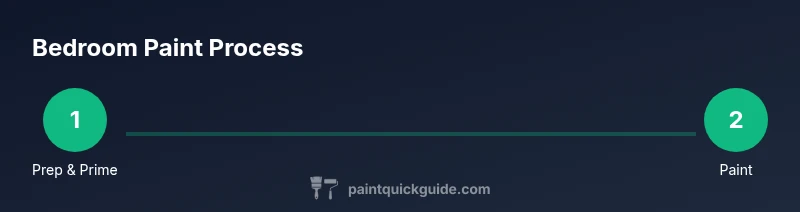
Successful painting begins with preparation. Clear the space, remove outlet covers, and cover floors with drop cloths. Clean walls with a mild detergent to remove dust and oils, rinse, and allow to dry. Repair any cracks or nail holes with spackle; lightly sand flush once dry. If your walls have stains, water-damage spots, or previous drips, apply a stain-blocking primer before color coats. Primers improve adhesion and unify color, so you achieve even coverage; a tinted primer may reduce the number of coats required. Sand between coats to keep surfaces smooth and remove any dust from sanding. Label masking tape and plan your cut-in routes along ceiling lines, corners, and trim. This level of prep reduces the risk of reveals and ensures a crisp edge.
A note on maintenance: Surfaces repaired with patching compounds should be primed to prevent uneven absorption. If you’re painting over a darker color with a lighter shade, two thin coats of primer are typically better than one heavy coat. This is a good moment to consider ventilation and room air quality—keep windows open or use a fan to remove fumes. PaintQuickGuide reminds readers to ensure proper surface prep to ensure color accuracy, adhesion, and long-lasting results.
Application techniques: getting a smooth, durable finish
Apply the first coat with a steady, overlapping technique to minimize lap marks. Begin with cutting in along ceilings, corners, and trim using an angled brush; then use a roller for large wall areas. Maintain a wet edge to prevent visible brush strokes, and roll in a consistent direction to enforce uniform coverage. After the first coat dries, inspect for thin spots and touch them up with a light hand. A second coat is usually necessary for best color fidelity and durability. Avoid applying heavy coats that may sag or crack; multiple thin coats deliver a stronger, more even finish.
Humidity and temperature affect drying time and the feel of the finish. In rooms with high humidity, use a dehumidifier or an HVAC setting to reduce moisture. Paints dry differently in cold temperatures; aim for a dry, well-ventilated room around room temperature. When applying, avoid painting under direct sun or near heat sources, which can cause rapid drying and brush marks. The finishing step should be gentle, with slow passes near trim to achieve crisp edges. PaintQuickGuide recommends patience and space to ensure a clean, professional result.
Maintenance, ventilation, and safety
After painting, ventilate the room to help odors dissipate and cure the finish. Keep doors open and run a fan for several hours or longer if needed. Let the paint cure fully; even though a coat may feel dry to the touch in a few hours, odor-free curing takes time, depending on humidity and ventilation. Clean brushes and tools with warm, soapy water unless you used oil-based products, which require mineral spirits. Store leftover paint properly in a sealed can for future touch-ups; label with color name and date. Consider future repainting cycles and how color choices age as you live in the space. For households with sensitive occupants or children, use low-VOC paints and avoid heavy odors.
This section also ties back to authority: EPA guidance on VOCs for interior paints recommends choosing low-emission products and properly ventilating during and after painting. See sources for more details. The PaintQuickGuide team emphasizes safety, especially when working on ladders or overhead areas. Use a stable ladder, avoid overreaching, and keep your workspace organized to reduce accidents.
Authoritative sources and further reading
Sources
- EPA: Volatile Organic Compounds (VOC) and indoor air quality: https://www.epa.gov/indoor-air-quality-iaq/volatile-organic-compounds-iaq
- University Extension resources on interior paints and VOCs: https://extension.illinois.edu
- University Extension resources on interior finishes and color guidance: https://extension.oregonstate.edu
Tools & Materials
- Low-VOC interior latex paint(Choose eggshell or satin for bedrooms; 1 gallon covers ~400 sq ft for one coat (room size varies))
- Primer (stain-blocking or sealer)(Use water-based primer for latex paints; tinted primer can reduce coats)
- Roller frame and 3/8" nap roller cover(For smooth walls; 9" roller pan and liners included)
- Angled brush (2-3 inches)(For cutting in around ceilings and trim)
- Painter’s tape (Frog tape or equivalent)(Protect edges; remove before final cure to prevent peeling)
- Drop cloths or plastic sheeting(Protect floors and furniture; canvas is reusable)
- Sandpaper (120-150 grit) and sanding block(Lightly scuff glossy areas between coats)
- Putty knife and patching compound(Fill nail holes and repairs; re-sand after dry)
- Sponges, detergent, and water for wall cleaning(Clean dust/oil before painting)
- Paint tray and liners(Provide stable setup for roller use)
- Ladder or sturdy step stool(Safe access to high walls and ceiling lines)
- Respirator or mask (P100/N95)(Low-odor, appropriately rated for VOCs; ensure good ventilation)
- Ventilation fan or box fan(Use to improve air exchange during painting)
Steps
Estimated time: 6-10 hours total (active work)
- 1
Assess room goals and measurements
Define the mood you want (calm, bright, cozy). Measure wall area and note any obstacles such as windows, doors, and trim. Decide on color family and finish that supports ventilation and cleaning needs.
Tip: Document measurements and take photos to reference color samples later. - 2
Prepare room and surfaces
Move furniture, cover floors, remove switch/outlet covers, and repair wall imperfections. Clean walls with a mild detergent, rinse, and let dry. If walls are glossy, lightly scuff sand to improve paint adhesion.
Tip: Use a sticky note to mark protected areas and tape edges precisely. - 3
Protect edges and plan cut-ins
Mask trim, ceiling lines, and adjacent surfaces. Plan your cut-in routes so the first painted edge looks crisp once you roll the main wall. Open windows or run a fan for ventilation.
Tip: Cut-in while the paint is wet enough to blend edges; avoid overloading the brush. - 4
Prime surfaces if needed
Apply primer where color change is drastic, stains exist, or new drywall requires uniform absorption. Allow primer to dry fully before topcoats.
Tip: Tint primer lighter or closer to the final color to reduce coats. - 5
Apply first coat (cut-in then roll)
Use an angled brush to cut in around edges; fill large areas with a roller in smooth, overlapping strokes. Maintain a wet edge to avoid lap marks and wait for the first coat to dry.
Tip: Roll in parallel passes; maintain consistent pressure. - 6
Apply second coat and inspect finish
If needed, apply a second coat for even color and coverage. Inspect walls with oblique lighting to catch thin spots and touch up accordingly. Remove tape after the final coat while edges are still slight tacky.
Tip: Use a bright light angle to reveal missed spots.
Your Questions Answered
What is the best type of paint for a bedroom?
For most bedrooms, a water-based latex (acrylic) interior paint is best due to low odor, quick drying, and easy cleanup. If you have moisture concerns or stains, consider a washable, stain-blocking primer and an acrylic latex finish.
For most bedrooms, use a water-based latex interior paint for low odor and easy cleanup.
Do I need a primer for bedroom walls?
Primers improve adhesion and color uniformity, especially when changing from dark to light colors or covering stains. If the wall is new drywall or heavily repaired, primer is typically recommended.
A primer is usually a good idea when changing colors or covering stains.
Is oil-based paint suitable for bedrooms?
Oil-based paints are durable but have stronger odors and longer cleanup requirements; for bedrooms, water-based paints are generally preferred unless there is a special staining concern.
Oil-based paints smell more and are harder to clean up, so most bedrooms use water-based paints.
What sheen is best for a bedroom?
Eggshell or satin finishes are common in bedrooms because they blend well with walls, are washable, and hide minor imperfections without too much glare.
Eggshell or satin finishes are usually best for bedrooms.
How long does it take to paint a bedroom?
Active painting time varies by room size and prep, but plan for several hours of work plus drying time between coats. Total project time can span a day or two.
It takes several hours of work plus drying time; you may spread it over a day or two.
Should I sample colors before painting the whole room?
Yes. Paint large tester patches on walls to observe how color looks in room lighting before committing, reducing costly color mistakes.
Test colors on large patches to see how they look in your lighting.
Watch Video
Quick Summary
- Choose a low-VOC latex interior paint for bedrooms.
- Eggshell or satin finishes balance washability with reflections.
- Proper prep and priming yield smoother, longer-lasting results.
- Ventilate during and after painting to minimize odors and improve air quality.