What Paint Do Professionals Use? A Practical Guide
Discover which paints professionals rely on for residential and automotive projects, including interior vs exterior, finishes, VOC considerations, and cost ranges. A data-driven guide by PaintQuickGuide.


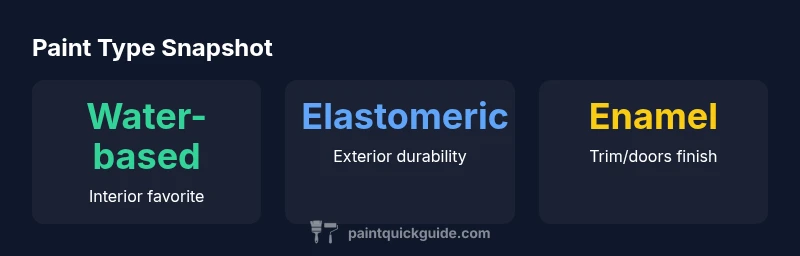
Professionals typically rely on water-based acrylic latex paints for interior walls and durable acrylic elastomeric paints for exterior siding, with enamel or alkyd finishes reserved for trim and doors. The exact choice depends on surface type, environment, VOC targets, and project scope, but the guiding principle is surface preparation, correct primer, and a finish that balances durability with ease of application.
What Professionals Actually Use: The Big Picture
When people ask, "what paint do professionals use?" the answer isn’t a single brand or product line. It’s a framework built on surface characteristics, environmental conditions, and project goals. In most residential interiors, pros favor water-based acrylic latex paints for their low odor, quick cleanup, and minimal surface prep when coupled with proper primers. For exterior walls, durable acrylic elastomerics provide better adhesion, weather resistance, and stretch over shifts in substrate. Finishes matter: flat/matte hides flaws, eggshell provides a forgiving look, and semi-gloss or gloss are chosen for trim or high-traffic areas where cleaning matters. Paint pros also consider VOC limits, drying times, and the ease of tool cleanup. In short, what paint do professionals use is a decision that balances performance, health considerations, and total project cost. According to PaintQuickGuide, the most successful jobs start with the right paint system and meticulous surface preparation, not just a premium brand.
Interior vs Exterior: The Core Differences
Interior paints prioritize ease of use, odor control, and cleanability. Pros frequently select latex-based products that dry quickly, cure evenly, and resist yellowing over time. For high-traffic rooms—or family spaces with kids and pets—an eggshell or satin finish often offers a balance of washability and hiding power. Exterior projects demand formulations that tolerate sun, rain, and temperature swings. Acrylic elastomerics and elastomeric enamels are popular for their stretch and crack-bridging capabilities. The best choice depends on substrate (wood, masonry, or siding), climate, and maintenance expectations. VOC regulations also influence the decision; lower-VOC or zero-VOC options are increasingly common in both interior and exterior work, while some trades will reserve solvent-based choices for specific substrates that demand tougher adhesion.
Surfaces and Substrates: Tailoring the Paint to the Surface
Wooded surfaces, drywall, metal, and masonry each require different prep and paint systems. Smooth drywall benefits from high-solid acrylic latex with a bonding primer, ensuring uniform coverage and minimal roller marks. Bare wood benefits from a stain-blocking primer and an enamel sheen on top for durability. Metal requires an etching-primer and a high-adhesion topcoat to prevent peeling. Masonry typically needs a breathable, elastomeric coating to accommodate moisture movement. The takeaway: match the paint’s chemistry to surface porosity and movement, not just color and finish. Pro projects also factor in humidity, ventilation, and the painter’s workflow—tools, training, and proper PPE all influence final results.
Finishes and Sheens: Choosing for Look and Longevity
Sheen levels impact washability and appearance. Flat finishes hide imperfections; eggshell or satin deliver a gentle sheen with easier cleaning in living spaces. Semi-gloss or high-gloss are chosen for kitchens, bathrooms, and trim due to superior wipeability. Automotive refinishing uses hard, durable enamel or urethane-based finishes with meticulous color matching and curing protocols. In all cases, the surface prep is what determines the finish’s long-term performance, not just the topcoat choice. For pros, the trick is to pick a finish that can withstand the expected cleaning regime without showing wear.
VOCs, Health, and Indoor Air Quality: A Growing Priority
Low-odor and low-VOC paints reduce exposure for occupants and workers, a priority in modern homes and studios. Pros typically evaluate product data sheets for VOC content, drying time, and odor characteristics before choosing a line. Environmental regulations and consumer demand push brands toward compliant formulas, which often means trade-offs between drying speed and durability. When possible, pros schedule painting during well-ventilated periods and use masking, containment, and proper disposal practices to minimize health risks.
Tools, Prep, and Application Techniques
Professional results rely as much on preparation as on the paint itself. Surfaces are cleaned, patched, and sanded; primers are applied where needed to improve adhesion and hide imperfections. Rollers, brushes, and spray equipment must be chosen to match the product’s viscosity and the surface texture. For interior walls, a high-quality roller and a compatible cutting-in technique reduce lap marks. Exterior projects often require pressure washing, power sanding, and careful masking to avoid staining nearby surfaces. Temperature and humidity controls help ensure consistent curing and color development.
Cost, Lifespan, and When to Repaint
Projects are evaluated on the total cost of materials, labor, and downtime. A typical interior repaint may require fewer coats if a premium primer is used, while exteriors may demand two coats plus a primer, especially on bare wood or masonry. The projected lifespan of a professionally applied finish depends on climate, substrate, and maintenance. Proactive maintenance, including minor cleanings and touch-ups, can extend the life of a paint system, delaying the need for full re-painting and optimizing return on investment.
Comparison of common professional paint types for interior, exterior, and trim work
| Paint Type | Typical Use | Pros | Cons |
|---|---|---|---|
| Water-based acrylic latex | Interior walls | Low odor; easy cleanup; quick drying | Less durable in extreme conditions; may require more coats on problematic substrates |
| Acrylic elastomeric | Exterior siding | Excellent adhesion; weather resistance; bridges small cracks | Higher cost; longer cure; may require specialized primers |
| Enamel / Alkyd | Trim and doors | Hard, durable finish; good for high-traffic surfaces | Stronger odor; longer cleanup; slower drying in cool conditions |
Your Questions Answered
What is the main difference between latex and acrylic paints?
In common usage, 'latex' and 'acrylic' are terms that describe water-based paints with acrylic resins. Acrylic paints generally offer better adhesion, durability, and color retention, especially in challenging conditions. For interior walls, high-quality acrylic latex is a typical choice.
Latex and acrylic often refer to water-based paints with acrylic resins; acrylic resins usually deliver stronger adhesion and durability, especially outdoors.
Can professionals use oil-based paints in homes today?
Oil-based paints are less common indoors due to higher VOCs and cleanup requirements, but they are still used where exceptional durability is needed, such as doors or trim in high-traffic areas. Many projects now rely on high-performance alkyd enamels that mimic oil-based durability with lower odor.
Oil-based paints are less common indoors because of VOCs, but durable alkyd enamels can be used on doors and trim when needed.
What finishes are generally best for living rooms?
For living rooms, most pros choose eggshell or satin finishes for a balance of washability and a few light reflections. If the room needs tougher cleaning, a polyurethane or acrylic semi-gloss may be considered on accent walls.
Eggshell or satin is typical for living rooms, offering washability with a subtle sheen.
How important is the environmental impact when selecting paints?
Very important. Low-VOC and ultra-low-VOC formulas reduce indoor air pollution and worker exposure. Most professionals factor VOCs into the total cost of ownership, balancing health benefits with performance needs.
Low-VOC paints help with indoor air quality and worker safety without sacrificing performance.
How long should a surface cure before observing true color?
Cure times vary by product, but most indoor paints reach full color and hardness within a week under typical conditions. Humidity and temperature can extend curing.
Most interior paints settle color within a week, though full cure can take longer in humid conditions.
Are there special considerations for exterior masonry painting?
Yes. Exterior masonry benefits from breathable elastomeric coatings that handle moisture movement. A proper masonry primer and moisture control steps prevent peeling and prolong life.
Masonry needs breathable coatings and a good primer to prevent peeling.
“When selecting paints for clients, emphasis should be on surface preparation and system compatibility rather than chasing the latest color trend.”
Quick Summary
- Understand the surface before choosing the paint type
- Interior work favors low-odor water-based options
- Exterior projects benefit from elastomeric or durable acrylics
- Finish choice should balance appearance and washability
- Preparation and primers are as important as the topcoat