What paint can you use on acrylic plastic: a practical guide
Discover which paints work on acrylic plastic, how to prep surfaces, and tips for lasting results—covering acrylic latex, spray paints for plastic, enamels, primers, and finishes.


Yes. Acrylic plastic can be painted successfully with several types of coatings, including acrylic latex paints, spray paints designed for plastic, and durable enamel or alkyd paints when you prepare the surface properly. The key steps are thorough cleaning, scuffing the surface, applying a plastic-specific primer, painting in thin even coats, and allowing adequate drying and curing. Testing a small area before full coverage is essential.
Understanding Acrylic Plastic and Paint Chemistry
Acrylic plastics are popular because they’re lightweight, clear, and versatile, but their chemistry makes paint adhesion a challenge. The surface energy of acrylic polymers is relatively low, which means liquids bead rather than spread unless you improve bonding. Successful coatings hinge on two things: surface preparation and choosing paints that cure with some flexibility and good adhesion on non-porous plastics. In practice, this means prioritizing surface conditioning, selecting paints formulated for plastics, and using primers that promote adhesion without cracking as the substrate expands and contracts with temperature changes. This PaintQuickGuide perspective, reflecting our 2026 analysis, emphasizes primers and compatible coatings for non-porous substrates. The result should be a paint film that resists peeling, cracking, and moisture intrusion while staying flexible enough to handle micro-motions in everyday use. A well-executed plan reduces failures and can dramatically extend the life of a plastic-painted part.
According to PaintQuickGuide, acrylic plastics respond best to surface prep and paints formulated for plastics. This is especially important for items that experience frequent handling or temperature fluctuations, where a brittle film is likely to fail.
Choosing the Right Paint Types for Acrylic Plastic
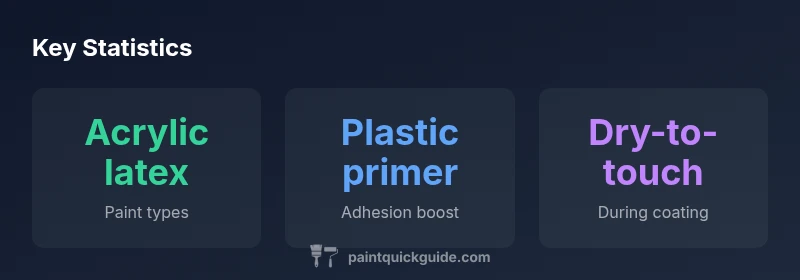
There are several paint families that work well on acrylic plastic when applied correctly. First, acrylic latex paints, which are water-based, offer easy cleanup and reasonable flexibility, especially when paired with a good plastic primer. Second, spray paints formulated specifically for plastic surfaces can deliver even coverage on contoured shapes; use multiple thin coats and allow proper flash-off time. Third, durable enamel or alkyd paints can be used on plastics that will see sun, heat, or outdoor exposure, provided you apply a suitable plastic primer and use thin coats to prevent cracking. Finally, some automotive or industrial coatings are designed for plastic substrates; they can be effective on parts that demand high abrasion resistance but require careful surface preparation and testing. Always read the product data sheets to verify compatibility with acrylic plastics, and consider a primer that promotes adhesion without creating a brittle film.
Practical tip: test the chosen paint on a hidden area first to confirm adhesion and finish before committing to the full piece.
Essential Prep: Cleaning, Scuffing, and Degreasing
Preparation is the stage where the project either succeeds or fails. Start with a thorough cleaning to remove oils, fingerprints, and dust. A mild detergent solution followed by a rinse works well, then dry completely. Light scuffing with a fine-grit (around 320–400) abrasive helps create a micro-roughness that the coating can grip. Degreasing with isopropyl alcohol or a dedicated plastic cleaner ensures any residual film is removed. Avoid harsh solvents that can craze or warp the plastic. After cleaning, wipe with a lint-free cloth and allow the surface to return to room temperature before priming. Environmental factors matter: aim for moderate humidity and a stable temperature during prep and painting to prevent defects.
Primers and Adhesion Promoters for Plastics
Primers designed for plastics act as an intermediate layer that improves adhesion and durability. Look for a plastic bonding primer or etching primer compatible with your chosen topcoat. Primers formulated for polyolefins, polycarbonate, or acrylics can vastly improve adhesion on smooth plastics. If your plastic is flexible, select primers and coatings that remain slightly flexible after curing to prevent cracking. When using primers, follow the manufacturer’s instructions for recoat windows and drying times. In many cases, a light sanding between primer and topcoat is recommended to promote even adhesion and remove any pinholes or imperfections.
Application Techniques: Coats, Drying, and Finishing
Apply coatings in thin, even layers rather than a single thick coat. Thinner coats reduce the risk of runs and solvent trapping, which can cause cracking as the film cures. Maintain a consistent distance and speed if you’re using a spray process, and allow each coat to reach the recommended tack-free or dry-to-touch state before applying the next. When brushing or rolling, use long, smooth strokes and avoid overworking the surface. After final coating, allow adequate curing time in a well-ventilated area away from direct sunlight. If you need a protective layer, consider a clear sealant designed for plastics, but verify compatibility with the underlying paint.
Selecting Finishes: Satin, Matte, Gloss
The finish you choose affects both appearance and durability. Gloss finishes tend to show flaws more easily but are easier to clean, while satin and matte finishes hide minor imperfections better and can feel more forgiving on complex shapes. For indoor plastics, a satin or semi-gloss finish often provides a practical balance of aesthetics and cleanability. For outdoor use, consider UV-resistant topcoats that help prevent yellowing and degradation. Always ensure the topcoat is compatible with the base paint and does not interact adversely with any plastic primers.
Common Failures and How to Avoid Them
Peeling, cracking, and dulling are common when painting acrylic plastic without proper prep or compatible materials. The root causes include poor surface cleaning, inadequate abrasion, mismatched primer/topcoat chemistry, and applying paint too thickly. Avoid these by: using paints labeled for plastics, applying thin coats, allowing proper drying times, and testing adhesion on a hidden area. If you see peeling after curing, sand lightly, clean again, and recoat with a compatible primer and topcoat. For UV-rich environments, integrating a UV-resistant topcoat can dramatically extend life.
Quick Testing Protocols: Spot Tests Before Full Coverage
Always perform a small test on a discreet area to check adhesion, color match, and finish. Steps: clean the spot, apply a thin coat of primer (if using), allow to dry, apply a thin topcoat, and observe for 24–48 hours. If there is any peeling or strong odor, reassess the product choice. Document results for future reference, including the batch numbers and the environmental conditions during testing. This practice minimizes the risk of large-scale failures and helps tailor your process to the specific plastic type.
Maintenance and Long-Term Care of Painted Acrylic Plastic
To maximize longevity, clean painted surfaces with mild soap and water or a gentle plastic-safe cleaner. Avoid abrasive scrubbing or solvent-based cleaners that can dull the finish. UV exposure can degrade plastics and coatings over time, so consider protective measures such as UV seals or shade when the painted item will be outdoors. Recoat when gloss levels fade or adhesion appears compromised, following the product’s recoat window. With proper maintenance, painted acrylic plastic can retain appearance and durability for many years.
Comparison of paint types for acrylic plastic
| Paint Type | Adhesion Prep Needed | Best Use |
|---|---|---|
| Acrylic latex | Clean & scuff; prime recommended | General interior/exterior plastics |
| Spray paints for plastic | Light scuff; primer recommended | Trims, decorative plastics, smaller parts |
| Enamel/alkyd with primer | Plastic primer; longer cure | Durable outdoor components |
Your Questions Answered
Can I paint acrylic plastic without primer?
Primer is usually recommended on acrylic plastics to ensure adhesion and long-term durability. Some high-adhesion paints may work on specific plastics, but testing is essential.
Primer is usually recommended to ensure the paint sticks and lasts.
Which paints are best for acrylic plastic?
Acrylic latex, spray paints for plastic, and enamel with primer are common choices for acrylic plastics.
Choose paints formulated for plastics to maximize adhesion.
Do I need to sand acrylic plastic before painting?
Yes, light sanding before painting provides the texture needed for better adhesion.
Lightly sand to create grip for the coating.
How long does it take for painted acrylic plastic to cure?
Dry-to-touch times vary by product, environment, and coat thickness; full cure can take several days.
Expect a few days for full cure under normal conditions.
Can I use spray paint on outdoor plastics?
Yes, with weather-resistant spray paint and proper priming. Test beforehand and seal if needed.
Yes, but test first and use a compatible primer.
How should I clean and maintain painted acrylic plastic?
Use mild soap and water; avoid abrasive cleaners; protect from UV exposure when possible.
Clean gently with soap and water; avoid harsh chemicals.
“Surface prep and compatibility are the two pillars of durable plastic coatings. Proper testing confirms compatibility before full application.”
Quick Summary
- Test paints on a scrap piece first.
- Prime plastics to improve adhesion.
- Use thin coats; avoid thick layers.
- Follow drying times and cure fully.
- Always read product data sheets for compatibility.