Silver Paint: A Practical Guide to Types, Prep, and Application
Learn how to work with silver paint for home and auto projects. This guide covers types, priming, application techniques, finishing, and safety tips from PaintQuickGuide to help you achieve a durable, stunning metallic finish.


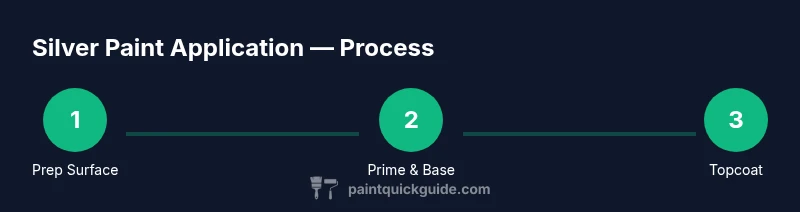
With silver paint projects, you’ll prep the surface, choose the right type of paint, apply thin, even coats, and seal with a clear topcoat. Ensure ventilation, masking, and proper drying times between coats. Start by cleaning and lightly sanding, then prime if needed, followed by multiple light coats and a final protective finish for durability.
What is silver paint and when to use it
Silver paint refers to metallic finishes that reflect light through tiny metal flakes or pigments suspended in a binder. The result is a shimmering gray-silver color with variability depending on base color, application method, and clear coat. Silver paints are popular for accent walls, furniture, appliances, car trim, dashboards, and decorative crafts. They come in water-based acrylics, solvent-based enamels, and spray formulations. For home projects, water-based acrylics or enamel-based paints provide easier cleanup and lower odor; for automotive refinishing, professional-grade solvent-based or specialized automotive enamel may be preferable due to durability and heat resistance. In all cases, the tint or pigment may be a true silver or a silver-chrome look, with varying levels of metallic flake and reflective depth. Silver paints use mica or aluminum-flake pigments to create the metallic sheen. If you want a mirror-like effect, consider chrome-like finishes or silver pearlescent coatings for depth. Preparation, technique, and topcoat selection are essential to a durable, scratch-resistant result. In this guide, we break down the options and walk you through practical steps for achieving a high-quality silver finish.
Types of silver paint you’ll encounter
Manufacturers package silver tone paints in several forms. Water-based acrylics are common for walls and furniture because they clean up with soap and water, dry quickly, and have low odor. Enamel-based silver paints use a tougher resin that cures to a harder film, which can improve durability on high-traffic surfaces. Spray silver paints offer fast coverage and a smooth mist, ideal for metals, appliances, and automotive trim, but require ventilation and masking. You may find silver paints labeled as metallic, silver-chrome, or silver-pearlescent. Metallics rely on fine metal flakes for reflectivity, while pearlescent varieties incorporate a subtle color shift as light changes. For auto refinishing, you often encounter specialty paints designed for plastics and metals, plus the necessity of a compatible clear coat. Consider the substrate, temperature, humidity, and whether you need heat resistance or UV stability. Always read the label to confirm compatibility with your surface and topcoat options. By understanding these categories, you can select a product that delivers the right balance of appearance, durability, and ease of use. PaintQuickGuide analysis notes that the best choice depends on project type and environment, not just color alone.
How to choose the right finish and sheen
Silver paints come in a range of sheens from matte to high gloss. A high-gloss silver can resemble chrome but will show fingerprints and minor scratches more readily, while a satin or semi-gloss finish can offer easier maintenance with a subtle glow. If you are painting furniture or interior walls, start with a mid-sheen option and test in a small area to observe color depth in your lighting. For vehicles or exterior metal parts, a clear, durable topcoat is often essential to protect against UV exposure, abrasion, and moisture. In all cases, plan your finish to match the substrate and the surrounding decor. For metallics, the number of coats matters: thin, even coats build a uniform metallic layer, reducing the risk of patchy areas. Some products offer a base coat plus metallic topcoat approach to optimize brightness and color consistency. Consider the ambient conditions; metallic finishes are sensitive to humidity and temperature during application and curing. Finally, ensure you have compatible thinners or reducers for the product and sufficient ventilation during use.
Preparation: cleaning, sanding, priming
Successful silver finishes start with meticulous prep. Begin by removing dust, grease, and wax from the surface with a mild detergent or isopropyl-alcohol-based cleaner. Rinse and dry completely. If the surface has old peeling paint or rust, lightly sand to create a sound, slightly rough surface; this tooth helps adhesion. For bare metal or very smooth surfaces, apply a suitable primer designed for metal or compatible with your chosen paint type. Priming improves adhesion, blocks stains, and helps produce even color. After priming, re-sand lightly with fine grit to smooth the surface and remove any raised grain. Wipe away dust with a clean tack cloth and allow the primer to cure according to the label. Pro tip: work in a dust-free area and use masking tape to protect nearby edges and glass. Adequate cure time before painting is essential to prevent peeling later on.
Application techniques: spray, brush, roller
For metallic silver, the method matters as much as the product. Spray painting provides the most even, glassy finish with minimal brush marks, but requires a good spray setup and masking. Hold the nozzle at a consistent distance from the surface, sweeping across in smooth, overlapping passes. Start with a light tack coat to avoid sags, allow it to dry, then apply additional coats in progressively thinner passes. If you are using a brush or roller, use synthetic bristles or micro-foam rollers to reduce texture. Apply in thin layers and avoid overworking the surface, which can cause streaks or uneven distribution of metallic flakes. Temperature and humidity influence drying; spray paints often dry quickly in warm, dry air but can dry too fast and appear rough if overapplied. For best results, finish with a final light pass to even out texture and reduce orange peel.
Finishing: topcoats, curing, and care
Most silver projects benefit from a clear topcoat to protect the metallic layer. Choose a topcoat compatible with your base paint (water-based or solvent-based) and apply in thin coats. Clear coats help seal the metallic pigments, improve scratch resistance, and simplify cleaning. Allow each coat to dry fully and cure according to the product’s instructions—curing can take longer than the initial dry time, especially in humid environments. Gentle, long-term care matters: use a soft cloth, avoid abrasive cleaners, and promptly address any scuffs with a light recoat if necessary. In automotive work, consider a dedicated clear coat designed for UV exposure and chemical resistance. Storage and shelf-life of silver paints depend on the can; keep containers tightly sealed and away from heat. By following best-practice topcoats and curing guidelines, you maximize the durability and visual appeal of metallic finishes.
Troubleshooting common issues
Even experienced painters encounter challenges with silver finishes. If the surface shows blotchy patches, ensure even pigment distribution and thin coats rather than heavy layers. Orange peel can be mitigated by adjusting spray distance and applying more coats in light passes. If you notice dull or uneven metallic shine, retune your thinning ratio, check for contamination, and recoat with a fresh, even layer after proper drying. Peeling or adhesion failure often stems from improper surface preparation or using incompatible primers. If your topcoat isn't bonding, verify product compatibility and consider light sanding between coats. For repairs, test color matches on a scrap and apply small, controlled repairs rather than large touch-ups. In outdoor or high-traffic areas, reapplication and maintenance schedules should be adjusted to weather exposure and wear.
Authority sources
- https://www.epa.gov/
- https://www.osha.gov/
- https://extension.psu.edu/
Tools & Materials
- Soap and water or mild detergent(For initial cleaning of surfaces)
- Isopropyl alcohol or degreasing cleaner(Use to remove oil/grease before painting)
- Lint-free rags(For cleaning and dusting; prevents fibers in paint)
- Fine-grit sandpaper (320-400 grit)(Create light tooth on glossy surfaces)
- Masking tape, drop cloths, painter’s plastic(Protect adjacent areas and floors)
- Primer compatible with chosen metal/wood surface(Blocks stains and improves adhesion)
- Silver paint (water-based acrylic or enamel, or spray)(Select based on substrate and environment)
- Clear topcoat compatible with base paint(Protects the metallic finish)
- Spray gun or foam brushes (optional)(For even spray or precise brushing)
Steps
Estimated time: 2-4 hours
- 1
Prep surface
Remove dust, grease, and old finishes. Clean thoroughly and let dry. Lightly sand glossy areas to provide grip for the primer.
Tip: Use a tack cloth to pick up fine dust before priming. - 2
Mask and protect
Apply masking tape around edges, trim, and any areas you don’t want coated. Lay down drop cloths to catch drips.
Tip: Keep masking tight to minimize edges lifting during coats. - 3
Apply primer
Apply a thin, even coat of primer. Allow it to dry completely and lightly sand if instructed by the product label.
Tip: Prime on bare metal or very smooth surfaces for best adhesion. - 4
First color coat
Spray or brush on a light, even coat. Avoid thick layers that can run or sag. Let dry fully before applying the next coat.
Tip: Keep a steady hand and uniform distance from surface when spraying. - 5
Additional coats
Apply 2-3 additional thin coats, allowing ample drying time between coats. Build brightness gradually to prevent streaks.
Tip: Inspect in multiple lighting angles to catch any uneven areas. - 6
Topcoat and cure
Apply a compatible clear topcoat. Let cure fully per label instructions before handling or cleaning.
Tip: Do not rush cure times; heat can speed curing but may cause defects.
Your Questions Answered
Is silver paint durable on furniture?
Durability depends on the product and the finish. Use a suitable primer and a compatible topcoat to improve wear resistance.
Durability depends on the product and the topcoat; pair primer and topcoat for best wear resistance.
Do I need a primer for metal surfaces?
Yes. Primers improve adhesion, help with corrosion resistance, and provide a uniform base, especially on bare metal.
Primers improve adhesion and corrosion resistance on bare metal.
How do I fix an uneven metallic finish?
Sand lightly between coats, ensure coats are thin and even, and recoat with care to restore uniformity.
Sand lightly between coats and apply even, thin coats to fix uneven finishes.
What clear coat should I use over silver paint?
Choose a clear coat compatible with your base paint (water-based or solvent-based) to avoid peeling and ensure proper adhesion.
Use a compatible clear coat to prevent peeling and ensure adhesion.
Can I mix different silver tones for depth?
Yes, layering different tones or adding a pearlescent topcoat can create depth and a more dynamic look, but test first on scrap.
Yes, layering tones can add depth; test on scraps first.
Is metallic silver paint safe for indoor use?
Most water-based metallics are suitable for interiors, but always follow label safety instructions and ensure adequate ventilation.
Interior-safe metallics exist; follow safety instructions and ventilate.
Watch Video
Quick Summary
- Choose the right silver paint type for your surface.
- Prep thoroughly to maximize adhesion and finish.
- Apply thin coats with proper technique for even metallics.
- Seal with a compatible topcoat and allow full cure.