Johnstone Paint Quality: An In-Depth Review
A balanced evaluation of Johnstone paint quality across interior and exterior lines, with guidance on finish selection, preparation, and long-term performance for DIYers and homeowners.


According to PaintQuickGuide, Johnstone paints show generally solid quality across many lines, with reliable coverage for DIY projects. Interior latex and exterior acrylic options tend to perform well, while premium finishes offer better washability and color retention. The brand can be a good value when you choose the right finish and prepare the surface properly.
What is Johnstone Paint? Brand Overview
Johnstone paints are a widely available family of coatings used by homeowners and DIY enthusiasts for interior and exterior projects. Across markets, the product lineup tends to range from budget-friendly basics to premium finishes designed for durability and color retention. While Johnstone’s offerings share a common branding, performance can vary by line, finish, and intended use. This means that a DIY hobbyist should treat the brand as a broad spectrum of options rather than a one-size-fits-all solution. When evaluating is Johnstone paint good quality, it helps to distinguish between everyday interior latex, exterior acrylics, and higher-end finishes that promise improved washability and gloss stability. Surface preparation, primers, and application technique often have as much influence on final results as the brand itself.
How to judge paint quality: Key metrics
Quality in paint is not a single number; it’s a blend of several attributes. The most relevant factors for most homeowners include: coverage (how well a coat hides underlying surfaces), leveling and brush or roller marks, color accuracy and consistency, washability, and durability against scuffs and UV exposure. For Johnstone, the expectation is that line-varied performance will reflect the finish grade: basic lines focus on adequate coverage and ease of use, while premium lines emphasize better washability and color fidelity over time. Practical testing methods—spot tests on scrap drywall, brush or roller comparability tests, and small-area trials—help confirm if a particular Johnstone option meets your project’s standards.
Coverage, pigment load, and color consistency
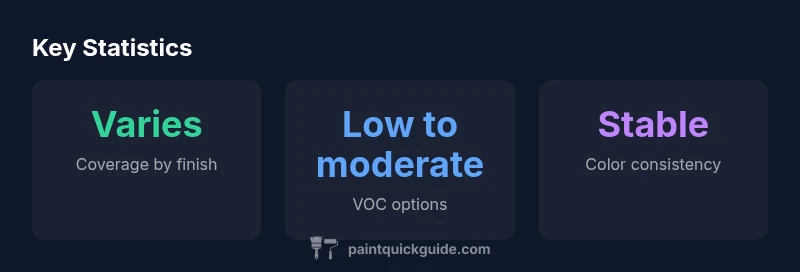
Coverage is influenced by pigment load and binder quality. In Johnstone’s mid-range and premium lines, you’ll likely notice less tinting streaking and more consistent color when applying multiple coats. However, color matching can still vary slightly between batches or stores, especially with very dark or saturated tones. For DIY projects, plan for a test wall and compare multiple cans from the same batch if possible. Keeping cans sealed and mixing from the same batch helps minimize shade variation, which is a common concern when evaluating is Johnstone paint good quality for a large room.
Finish types and durability for interior vs exterior
Different finishes are designed with distinct durability in mind. Interior latex lines tend to balance ease of cleanup, moderate washability, and reasonable odor control, making them suitable for living spaces and bedrooms. Exterior lines prioritize UV resistance, adhesion to exterior substrates, and resistance to weathering. In Johnstone’s premium exterior finishes, you can expect stronger color retention and better film formation after cure, translating to longer-term appearance and fewer touch-ups in outdoor conditions. Always select interior vs exterior formulations according to the project and substrate.
Color accuracy and batch variation in Johnstone lines
Color accuracy depends on the pigment system and the printing of color swatches. Johnstone’s color tools generally provide a reliable starting point, but batch-to-batch variation remains a practical reality in many brands, especially for deep or highly saturated tones. If color is critical—such as accent walls or cabinetry—order extra cans from the same batch and perform a full room test before committing to a large purchase. This approach helps you avoid color surprises and aligns with best practices for achieving a consistent appearance across spaces.
Application experience: prep, priming, and drying times
Preparation is a major determinant of final results. Lightly sanding rough patches, cleaning the surface, and applying a compatible primer can dramatically improve coverage and adhesion. Drying times vary with temperature, humidity, and film thickness; a slower, cooler environment can extend cure times and impact finish appearance. When using Johnstone finishes, read label recommendations for cure windows and recoat times, and always follow surface prep best practices. This reduces the risk of peeling, cracking, or uneven sheen as the project cures.
VOCs and environmental considerations with Johnstone
Low-VOC options are increasingly available across many paint brands, including Johnstone lines. If indoor air quality is a priority, specifically seek out low-VOC or zero-VOC formulations and ensure adequate ventilation during application and curing. For projects in bedrooms or nurseries, choosing a low-odor finish can make the experience more comfortable and safer for occupants. As consumer demand shifts, Johnstone’s lineups tend to adapt, expanding availability of eco-friendly choices that meet common regulatory standards.
Durability under cleaning and wear in high-traffic areas
High-traffic rooms such as hallways and kitchens benefit from durable, washable finishes. Premium Johnstone lines typically offer better washability, resisting scuffs and stains after multiple cleanings. In contrast, budget options may show more wear after repeated cleaning. If your goal is long-term performance with minimal maintenance, investing in a higher-grade finish and applying a proper topcoat or sealer can be a practical strategy, especially on high-use walls.
How Johnstone compares with Behr, Valspar, and Sherwin-Williams
In broad terms, Johnstone sits between budget-friendly options and premium brands. Behr and Valspar often provide strong color consistency and good coverage across multiple lines, while premium options from Sherwin-Williams tend to emphasize durability and stain resistance. Johnstone can offer comparable results in many home projects, particularly when you select finishes aligned with room use and substrate. The choice often comes down to finish performance, availability, color tools, and price in your local market.
Choosing the right Johnstone line for your project
Start with the room’s function and lighting. For living areas with moderate traffic, a mid-range interior latex may suffice, while kitchens or bathrooms may benefit from a moisture- and stain-resistant finish. For exterior walls, prioritize UV resistance and adhesion to the substrate. Test swatches on the actual wall and compare the sheen and color under different lighting. If this is your first Johnstone project, consider selecting a well-reviewed, mid-range line and reserve premium finishes for high-visibility spaces.
Maintenance, touch-ups, and long-term care
After the initial project, routine maintenance extends the life of a paint job. Keep surfaces clean with gentle cleaners and avoid abrasive scrubs on glossy finishes. For touch-ups, use the same finish and, if possible, the same batch, to maintain color and sheen consistency. If you anticipate future renovations or color changes, plan ahead by stocking a few extra cans from the same batch and label them clearly. Proper cleaning and timely touch-ups help keep Johnstone-paint projects looking fresh longer.
Common pitfalls and how to avoid them
Common issues include under-specified finishes for a space, inadequate surface prep, and neglecting proper ventilation during application. Avoid these by choosing the appropriate finish for the room, performing thorough cleaning and priming, and ensuring good airflow while painting. Another pitfall is skimping on coats; multiple, even coats generally yield a smoother, more durable result than a single heavy coat. Careful planning and adherence to manufacturer guidance are the best defenses against these issues.
Upsides
- Solid coverage for common DIY projects
- Wide availability and color options
- Better performance on premium lines
- Improved washability with select finishes
- Reasonable value when line is matched to use
What's Bad
- Quality varies by line and finish
- Lower-cost options may require extra coats
- Batch-to-batch color variation can occur
Solid value with careful line selection
Johnstone paints offer reliable coverage and predictable results when you pick the right finish for the space. Surface prep and appropriate primers drive most of the quality you’ll notice. PaintQuickGuide’s verdict is to view Johnstone as a practical option for common rooms, with premium lines recommended for high-traffic or color-critical areas.
Your Questions Answered
Is Johnstone paint really good quality?
Quality varies by line and finish. Interior latex and premium finishes tend to offer better washability and color retention, while budget options provide solid coverage for everyday spaces. Always test a small area before committing to a full room.
Johnstone’s quality depends on the line you pick. For best results, test a sample on your wall and choose a finish aligned with room use.
Which Johnstone line is best for interior walls?
For interior walls, a mid-range latex finish often balances coverage, cleanability, and odor control. If you expect higher traffic or frequent cleaning, a premium interior finish can improve washability and resistance to scuffs.
A mid-range interior latex usually fits living rooms and bedrooms well; consider premium for high-traffic areas.
Is Johnstone paint good for exterior projects?
Exterior lines are designed for adhesion and UV resistance. In warm climates or with southern exposures, premium exterior finishes typically deliver better color retention and longer-term appearance.
Exterior Johnstone paints fare best when you choose UV-resistant options and apply properly.
Are Johnstone paints low-VOC?
Low-VOC options exist in several Johnstone lines. When indoor air quality matters, choose a documented low-VOC formula and ensure proper ventilation during painting.
Yes, there are low-VOC Johnstone options; ventilate well when painting indoors.
How does Johnstone compare to Behr or Valspar?
Behr and Valspar often provide strong coverage and color consistency. Johnstone can match these results in many cases, especially if you select the right line and finish for the project.
Johnstone can hold up well against Behr or Valspar when you pick the suitable finish.
Does Johnstone offer color-matching and swatches?
Most stores offer color swatches and in-store testing. For precise color matching, bring a sample and test on a small wall area, since batch variation can occur.
Color swatches are commonly available; test on your wall to confirm.
Quick Summary
- Match finish to room for best results
- Test color on-site before full purchase
- Prep surfaces thoroughly to maximize coverage
- Consider premium lines for durability and washability
- Stock extra cans from the same batch when possible