How to Tell If Paint Is Latex or Oil: A DIY Guide
Learn practical, at-home tests to identify latex vs oil paint safely. Identify labels, perform water and solvent tests, and choose the right prep steps for your project with PaintQuickGuide.


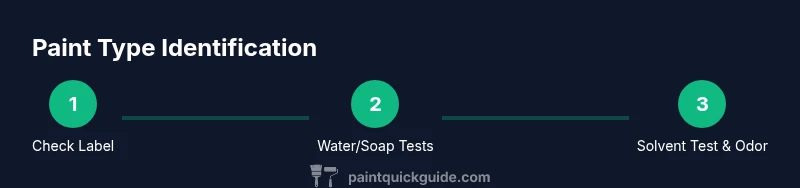
To tell if paint is latex or oil, start with the label if available, then perform a few simple tests you can safely do at home. A quick water/soap test helps distinguish water-based latex from oil-based coatings. Follow with a solvent test using rubbing alcohol or mineral spirits, and compare odor and drying time.
Understanding the Basics: Latex vs Oil Paints
In this section we explain what latex (water-based) and oil-based paints are, including typical compositions, drying behavior, cleanup methods, and why knowing the type matters before priming or repainting. When homeowners ask how to tell if paint is latex or oil, the distinction is usually the first clue: latex resins are water-based, while oil paints rely on petroleum solvents. Understanding these fundamentals helps you plan surface prep, primers, and topcoats that will stick and cure properly. This guide covers common signs, practical tests, and safe testing methods you can perform without damaging the substrate. By recognizing these core differences, you can avoid sticking problems, poor adhesion, and premature peeling. This topic matters for interiors, exteriors, and even automotive refinishing projects where coating compatibility is essential.
Read the Can Label and Visible Clues
The simplest way to identify paint type is to read the label on the can, bucket, or tub. Look for terms like 'latex', 'acrylic', or 'water-based'—these indicate latex paint. Oil-based paints may state 'alkyd' or 'oil-based'. If the label is missing, rely on other clues: cleaning method (water cleans latex; solvents like mineral spirits typically required for oil-based), odor intensity, and the film’s flexibility after drying. For many DIYers, the label is the fastest route to an accurate determination. PaintQuickGuide suggests always checking the label first because it saves time and reduces the risk of improper prep.
Simple At-Home Tests You Can Safely Perform
If the label is unclear or absent, you can perform a few at-home tests on a small, inconspicuous area. First, try a water test: dampen a tiny spot with plain water and observe how the paint responds. Latex typically softens or wipes slightly with mild rubbing, while oil-based paint tends to resist water and stay relatively hard. Next, perform a mild soap-and-water test; latex paints are more likely to smear or rub away when scrubbed gently. Finally, observe the surface after drying: latex dries quickly and generally has a milder odor, whereas oil-based paints cure slowly and carry a stronger solvent smell. Always perform tests on an unseen spot if possible and document results to guide your next steps.
The Solvent Test: Rubbing Alcohol and Mineral Spirits
A careful solvent test can provide a clearer answer when labelling is inconclusive. Use a small amount of rubbing alcohol (isopropyl) or a mild solvent like mineral spirits on a cotton swab and rub a hidden area gently. If the paint softens, dissolves, or rubs away, you’re likely dealing with latex paint. If it remains largely intact and resistant to the solvent, the coating is more likely oil-based. Important: only use small amounts and test on an inconspicuous area to avoid damage. PaintQuickGuide notes that solvent tests are most reliable when combined with label checks and drying behavior observations.
Odor, Drying Time, and Finish Clues
Beyond tests, listen for the scent and observe drying times. Latex paints usually have a mild odor and dry quickly, often within an hour for a thin coat. Oil-based paints emit a stronger solvent-like odor and can take several hours to dry to a touch. Finish differences can also help: latex commonly yields a softer, more flexible film, while oil-based coatings can appear glossier and feel harder once cured. Remember that finishes vary by brand and formulation, so use multiple clues together rather than relying on a single sign.
Testing on Hidden Surfaces to Avoid Damage
Protection matters. Before you test on any visible area, choose a small, hidden spot such as an inside edge or a test patch on scrap material. Cover the surrounding surface with painter’s tape and a drop cloth. Use a mild amount of solvent or water, and document how the area responds. This step minimizes risk while preserving the integrity of your project. If you observe unexpected reactions, pause and reassess before applying any further tests to the main surface.
What to Do If You Find Mixed Coatings or Lead Paint
Some older homes or vehicles may have mixed coatings or lead-based paint. If you suspect lead paint or encounter inconsistent results across different areas, take caution. Do not sand or burn test lead paint; instead, consider consulting a professional and use lead-safe testing kits from reputable sources. For coatings suspected to be lead-based, avoid sanding and use containment practices to prevent dust exposure. In cases of uncertainty, PaintQuickGuide recommends treating any unknown surface as if it could be hazardous until tested by a qualified inspector.
Testing on Different Substrates: Wood, Drywall, Metal
Surfaces influence how paints behave. Wood absorbs more moisture, which can affect drying time and the tests’ results. Drywall may show more chalking on older latex while metal trim can have different adhesion properties. For each substrate, perform the same small-area tests and compare how the coating responds. Consistency across substrates strengthens your conclusion about whether the paint is latex or oil-based.
Interpreting Results: Next Steps in Prep and Paint Selection
Once you identify the paint type, plan your prep and primer strategy accordingly. Latex often accepts water-based primers and topcoats, while oil-based coatings may require an oil-based or shellac-based primer for optimal adhesion. If you’re unsure after testing, purchase a small amount of the recommended primer and test adhesion on a hidden area before committing to a full project. Clear labeling and documentation help you maintain accuracy across future touch-ups.
Common Mistakes and How to Avoid Them
Avoid relying on a single clue to determine paint type. Mixing tests, odor observations, and label checks provides a more reliable result. Don’t rush the drying tests—inadequate curing times can mislead conclusions. Finally, don’t ignore safety: use gloves, work in a ventilated area, and dispose of solvents responsibly. A methodical, layered approach reduces the chance of primer or topcoat failures later on.
Quick Checklist Before You Repaint
Before buying primers or topcoats, confirm your paint type using at least two independent clues (label and a test). Prepare the surface by cleaning, repairing, and protecting adjacent areas. Choose compatible primers and finishes, and perform a final spot test after priming to ensure the colors and sheen will apply smoothly. This green-light checklist helps ensure long-lasting results.
Tools & Materials
- Water(Distilled water for delicate tests on sensitive surfaces)
- Rubbing alcohol (isopropyl 70%)(For solvent test on hidden areas; use one swab per spot)
- Mineral spirits or odorless mineral spirits(Optional solvent test alternative to rubbing alcohol)
- Acetone or nail polish remover(Use with caution on plastics and finishes; test first)
- Cotton swabs(Small, precise applicators for spot testing)
- Drop cloths and painter's tape(Contain and protect work areas)
- Gloves(Protect skin from solvents; nitrile recommended)
- Marker or pencil(Label test areas and document results)
- Scraper blade or plastic putty knife(Gently test for adhesion on hidden areas)
Steps
Estimated time: 60-90 minutes
- 1
Prepare the workspace and protect surfaces
Clear the area, lay down drop cloths, and tape off a small test patch. This minimizes mess and protects adjacent materials. Gather all testing supplies so you won’t need to leave the area mid-test.
Tip: Use a designated test corner to keep results organized and avoid cross-contamination. - 2
Inspect existing labels or can markings
Look for words like latex, acrylic, water-based, oil-based, or alkyd. Labels are the fastest way to identify paint type. If the label is missing, proceed with the at-home tests as a fallback.
Tip: If you find a label, it’s your strongest clue—record it before you start testing. - 3
Choose a hidden patch area
Select a discreet area on the surface you’re repainting. If you’re testing a wall, use a corner or behind a removable switch plate. This protects the main surface from visible test marks.
Tip: Small patches avoid noticeable damage and reduce rework later. - 4
Perform the water test
Dampen a small cotton swab with plain water and rub the patch area gently. Observe whether the paint softens or wipes away easily. Latex typically responds more noticeably to water than oil-based coatings.
Tip: Use a minute amount of water — you’re testing behavior, not cleaning the entire area. - 5
Conduct the soap-and-water test
Apply a mild dish soap solution with a damp cloth to the same area. If the paint shows consistent rubbing away with soap and water, it’s more likely latex. If it remains largely intact, it may be oil-based.
Tip: Rinse the area after test to prevent residues from affecting future coats. - 6
Try a mild solvent test
Dab a cotton swab with rubbing alcohol or mineral spirits and test another hidden spot. Note whether the coating softens, rubs off, or remains unchanged.
Tip: Only test a tiny area at a time to minimize risk. - 7
Document the results
Record the outcomes of each test (label presence, water reaction, soap reaction, solvent reaction, odor, and drying time). This creates a clear basis for primer and topcoat choices.
Tip: Take photos or write notes on your testing sheet for future reference. - 8
Test adhesion on a scrap or hidden surface
If possible, test a sample piece of the substrate (wood, drywall, or metal) with a small coat of primer after identifying the paint type. Check adhesion before proceeding with a full project.
Tip: Adhesion failure can be costly—verify before committing to primers. - 9
Evaluate odor and drying behavior
Compare the smell and the time it takes to dry. Latex gases are typically milder and dry faster; oil-based coatings often carry stronger solvents and cure more slowly.
Tip: Ventilate the area well during testing to avoid accumulating fumes. - 10
Plan primers and topcoats accordingly
If latex is identified, choose water-based primers and topcoats. If oil-based, use compatible primers and finishes recommended by the manufacturer.
Tip: Mismatched primers can lead to poor adhesion and peeling. - 11
Proceed with a controlled test coat
Apply a small test coat of primer and finish over the identified area to confirm compatibility before committing to a full repaint.
Tip: Don’t rush—the test coat helps ensure you’ll obtain the desired finish. - 12
Finish cleanup and reflect on results
Clean equipment, safely store solvents, and review your testing notes. Use your results to guide the rest of the project and maintain a written reference for future touch-ups.
Tip: Keep your testing sheet accessible for future reference.
Your Questions Answered
Can I rely on a single test to identify latex versus oil paint?
No. Rely on multiple clues—label, water test, solvent test, odor, and drying time—to reach a reliable conclusion. Each clue strengthens the overall identification.
Use a combination of label checks and at-home tests to confidently identify latex or oil paint.
What if the surface shows contradictory signs between tests?
If tests disagree, assume the riskier option and treat the surface as oil-based until proven otherwise. Consult a professional for definitive testing or primer recommendations.
If signs disagree, treat the area with caution and get a professional opinion.
Is there a definitive test that works on all paints?
There isn’t a single universal test. A combination of label lookup, water/soap tests, and solvent responses gives the best probability of correct identification.
There isn’t one test that works for everything; use several clues together.
Are there safety concerns I should know about when testing?
Yes. Wear gloves, work in a ventilated area, and avoid inhaling fumes from solvents. Follow disposal guidelines for used rags and solvents.
Remember to wear gloves and work in a well-ventilated space when testing.
What should I do if I can’t identify the paint type after tests?
If you remain unsure, treat the paint as oil-based for safety with primers designed for oil-based coatings, or consult a professional for testing.
If you’re unsure, consult a professional for a definitive test.
How should I dispose of leftover solvents safely?
Use local hazardous waste programs for disposal. Do not pour solvents down the drain and store them in properly labeled containers.
Dispose of solvents through local hazardous waste programs and never pour them down the drain.
Watch Video
Quick Summary
- Identify latex vs oil with label and at-home tests
- Use water, soap, and solvent tests in combination
- Document results before priming or painting
- Follow safety practices and test on hidden areas
- Choose primers/topcoats based on confirmed paint type