How to Know When Paint Is Bad: A Practical Guide
Learn to identify bad paint through storage cues, odor, texture, and safe testing. This PaintQuickGuide tutorial covers signs of spoilage, testing steps, disposal tips, and when to replace paint for reliable results.


Learn the quick, reliable way to know when paint is bad. This guide covers smell, texture, color changes, and storage clues, plus a safe test you can perform before using paint on walls or a car. According to PaintQuickGuide, checking these signs helps prevent failed finishes and health risks today.
How paint goes bad and why it matters
Paint spoilage happens when environmental factors, storage mistakes, or long storage times allow microorganisms to grow, solvents to separate, or pigments to lose cohesion. Understanding these factors helps homeowners and auto refinishing hobbyists protect project quality and safety. According to PaintQuickGuide, recognizing early signs lets you decide whether to reuse, revive, or properly dispose of the material. This knowledge is especially valuable for DIY enthusiasts who want reliable results and a safe workspace in 2026.
Visual and sensory red flags to watch for
Look for a sour or chemical odor, a film or skin on the surface, and visible separation between liquid and solids. Thickening, clumps, or gritty texture indicate poor suspension of pigments. Color drift, chalky finish, or rust around the lid are indicators of compromised seal and potential contamination. For homeowners, these signs often appear after improper storage or exposure to heat and moisture—clear reasons to test or discard rather than forcing a repaint with questionable product.
How storage conditions affect paint life
Temperature swings, high humidity, and direct sunlight accelerate degradation by drying out resin binders, promoting mold growth in water-based coatings, and accelerating rust on metal lids. A cool, dry, dark storage area dramatically extends usable life. Consistency in shelving height, avoiding temperature spikes, and keeping lids tight ensure fewer air intrusions, which helps maintain texture and color integrity over months or even years for unopened cans. PaintQuickGuide emphasizes consistent storage as a practical habit for long-term project readiness.
How age affects different paint types
Latex and water-based paints behave differently from oil-based and enamel varieties. In latex paints, water separation and a sour aroma signal spoilage; oil-based paints may darken, thicken, or develop a strong solvent odor. Some chalky films are a sign of degraded binders in older finishes. Knowing your paint type helps you apply the right tests and avoid misinterpreting normal aging for spoilage. PaintQuickGuide notes that some colors may separate naturally but still be usable after thorough mixing, while others are no longer viable.
Safe testing steps you can perform
Safe testing starts with a cautious approach to odor, texture, and adhesion. Open the can away from living spaces, wear gloves, and use a clean stir stick. Smell the paint from a safe distance to detect sour or burnt odors, then stir and look for separation. Paint a small patch on a scrap surface and observe drying time, film formation, and adhesion. If the patch dries with a brittle or pocked texture, discard. Always test in a ventilated area and avoid inhaling fumes.
A practical field test plan for unopened cans
Begin with a quick visual inspection of the lid and can body for rust, dents, or bulges. If the can is dented or swollen, set it aside for disposal. Shake or gently invert the can to look for uniform settling; excessive lumps after stirring indicate degraded binder. For the unopened can, confirm storage conditions and dates, and consider the original storage environment. When in doubt, perform a small test after opening to verify performance before committing to a large surface area.
Storage tips to extend paint life
Store paint upright with the lid sealed tightly in a climate-controlled space between 50–70°F (10–21°C) and away from direct sun. Keep lids clean and wipe rims before resealing to prevent air ingress. Label each can with color, batch, and opening date to prevent cross-contamination or accidental reuse. For household paint, a dedicated, sealed cabinet or bin helps minimize exposure to moisture and heat, preserving quality for as long as possible.
Disposing of bad paint responsibly
Do not pour paint down drains or onto soil. Follow local waste management guidelines to dispose of or recycle paint materials. In many regions, latex paints can be dried out and disposed of with regular trash when completely solidified, while oil-based paints require hazardous waste handling. Always check locally relevant disposal guidelines to protect health and the environment.
Quick field reference checklist
- Check storage date and conditions
- Inspect odor, texture, and separation
- Test a small patch on scrap material
- Decide to reuse or discard based on results
- Label and store only good paint for future projects
Tools & Materials
- Paint can opener(Essential to lift lids without bending metal or creating air pockets.)
- Gloves(Nitrile or latex preferred to protect skin when handling older paints.)
- Disposable rags(For wiping spills and cleaning rims before resealing.)
- Stir sticks(New, clean sticks for testing and mixing without contamination.)
- Scrap surface for tests(Use cardboard or scrap wood to observe adhesion and finish.)
- Mask or respirator (optional)(Use in poorly ventilated spaces or if odors are strong.)
- Permanent marker(Label cans with color, date, and test results.)
- Trash bag for disposal(Sturdy bag to contain waste during disposal.)
Steps
Estimated time: 45-75 minutes
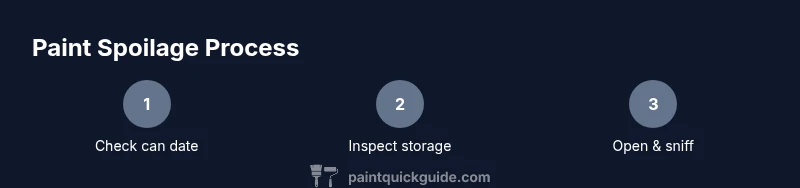
- 1
Check the can date and storage history
Look for printed date codes or batch numbers on the can and recall where it was stored. If it has experienced heat, moisture, or freezing, the risk of spoilage increases. Assess whether the can was kept in a climate-controlled area and avoid cans stored in garages or sheds where temperature swings are common.
Tip: If the can is dented, swollen, or corroded, set it aside before proceeding. - 2
Inspect the storage conditions
Evaluate the environment where the paint has lived: humidity levels, sunlight exposure, and ventilation. A cool, dry, dark place is ideal; garages and outdoors expose paint to temperature and moisture stress that accelerate spoilage. Reducing exposure now can help you decide whether the paint is salvageable.
Tip: Avoid opening cans in a cramped or dusty area to prevent contamination. - 3
Open and sniff the can
Open the lid carefully in a well-ventilated area. A sour, acrid, or solvent-like odor often signals spoilage. If you notice mold, unusual floating particles, or a strong ammonia-like smell, do not use the paint.
Tip: Keep your face away from the opening and use a mask if fumes are strong. - 4
Stir and observe texture
Stir the paint thoroughly to recombine any separated liquids. Watch for thick, chunky clumps or an overly watery consistency after stirring. If the solids settle immediately or do not re-dissolve, the product is likely compromised.
Tip: Use a clean stir stick and avoid introducing new contaminants. - 5
Perform a small test on scrap surface
Apply a thin patch to a scrap surface and let it dry under normal conditions. Check adhesion, gloss or matte finish, and whether the coating dries evenly without cracking. If the patch dries with a powdery or chalky finish, discard the paint.
Tip: Test area should be inconspicuous if you’re unsure. - 6
Decide to reuse or discard
If odor, texture issues, or poor adhesion are present, discard the paint. For salvageable paint, transfer to a clean container, seal tightly, and label with color and date. If in doubt, lean toward disposal to avoid costly repaint failures later.
Tip: When discarding, follow local regulations for hazardous waste and avoid pouring into drains.
Your Questions Answered
Can expired paint be revived?
Revival is not reliable; signs such as sour odor, separation, or mold usually mean the paint should be discarded. Some older latex paints might be salvaged with proper mixing, but results are uncertain and not guaranteed.
Not reliably. If you notice sour odor or separation, discard the paint to avoid project failures.
Is it safe to use paint that smells sour?
No. Sour odors indicate spoilage or contamination. Use in a well-ventilated area if you must inspect briefly, but discard the can to protect health.
If it smells sour, don’t use it—discard it and check your storage practices.
How long does latex paint last after opening?
Open latex paint lasts for months if the can is sealed tightly and stored properly. Signs of spoilage include odor, separation, thickening, or a chalky finish.
It can last months, but always test on scrap before reuse.
What should I do with old paint?
Check local disposal guidelines. Most latex paints can be solidified and disposed of with household trash in some areas; oil-based paints may require hazardous waste services.
Don't pour old paint down the drain—follow your local disposal rules.
Can water-based paint go bad?
Yes. Water-based paints can spoil if exposed to heat, moisture, or contaminants. Check odor, texture, and separation before reuse.
Yes, water-based paints can go bad; always test before reuse.
How should I store paint to extend life?
Store upright with the lid tightly closed, in a cool, dry place away from direct sunlight. Label with color and date, and keep separate from other materials.
Store it cool and dry, with a clear label so you know what you have.
Watch Video
Quick Summary
- Check storage history before opening
- Observe odor, texture, and separation closely
- Test a small patch before committing to a full project
- Paint is best discarded if any spoilage signs appear