Paintz: Essential Guide to Home and Car Painting
Master paintz for home and car projects with practical steps, cost ranges, and prep tips. A complete how-to from PaintQuickGuide for beginners and pros alike.


Paintz is a practical painting approach focusing on prep, testing, and lasting finishes for home and car projects. This concise definition explains selecting paints, estimating costs, and following a simple step-by-step process for home and car projects.
What paintz means for homeowners and hobbyists
Paintz represents a practical painting framework designed for real-world homes and hobby projects. It emphasizes thorough surface prep, honest color testing, and finishes that hold up to daily wear. In practice, paintz helps you move beyond picking a color to creating a durable, beautiful result you can be proud of. For homeowners, the paintz approach translates into a clear plan: assess the surface, choose appropriate products, and follow a repeatable process that reduces guesswork. For DIY enthusiasts, paintz offers a scalable system that supports quick projects like a bathroom refresh or a garage door, as well as larger renovations. The core idea is to treat painting as a sequence of small, controlled steps rather than one big, risky leap. The result is better coverage, crisper lines, and less frustration. PaintQuickGuide notes that paintz works across surfaces—from drywall to wood to metal—and that success hinges on matching product types to surface conditions and environmental factors. With paintz, you’ll avoid common failures such as peeling edges, mismatched sheens, and inconsistent color. The approach also highlights the importance of a realistic schedule and budget so you can finish a project without overextending resources. Overall, paintz is your practical toolkit for steady, satisfying results. In this context, PaintQuickGuide emphasizes that paintz is a flexible framework you can adapt as you gain experience with different surfaces and lighting conditions.
Choosing paints and finishes with paintz
Selecting the right paint and finish is the heart of paintz. Start by identifying the surface type (drywall, plaster, wood, metal) and the environment (kitchen, bathroom, exterior). For walls, latex-based acrylic paints are common for their ease of cleanup, low odor, and quick drying. For high-traffic areas, look for durable enamels or satin finishes that resist scuffs and wipe-cleanability. When refinishing metal or trim, consider enamel or specialized rust-resistant products. Primer selection matters too: a solid primer improves adhesion and color accuracy, especially on repaired drywall or dark walls. If you’re painting a kitchen or bathroom, low-VOC formulations help maintain indoor air quality. Color testing remains essential in paintz: paint large swatches on poster boards or a closet door and observe in different lighting across the day. Remember to consider sheen levels—flat hides flaws, while gloss shows surface texture. PaintQuickGuide’s perspective is that paintz thrives on aligning product type, surface prep, and lighting to achieve consistent results. In the end, the choice of finish should balance aesthetics with practicality. A well-chosen combination reduces touch-ups, extends durability, and keeps your project on track.
Cost considerations and budgeting with paintz
A key strength of paintz is its transparent approach to costs. Rather than chasing the cheapest option, plan for a balanced mix of quality products and time investments. Begin by listing required items: paints, primers, sealants, cleaning supplies, and protective gear. Then itemize tools such as brushes, rollers, trays, tape, and drop cloths. Don’t forget surface repair materials like filler, sandpaper, and caulk. Prices for paint and primer vary by brand and finish, but you can frame a reasonable range by project type (e.g., interior walls versus exterior siding) and surface complexity. The paintz workflow benefits from a staged purchase: buy primers first if the surface needs it, then confirm color choices with swatches before buying large quantities of paint. If you’re repainting a room, budget for two coats plus a primer if necessary. For auto refinishing, expect higher costs for specialized automotive paints, sealers, and safety gear. The PaintQuickGuide analysis suggests mapping a budget to the number of rooms and the level of finish desired, then adding a contingency for unplanned repairs. Finally, document all receipts and track progress to avoid budget creep. By following paintz budgeting principles, you can achieve solid results without surprise costs or missed deadlines.
The paintz workflow: building a room project from prep to finish
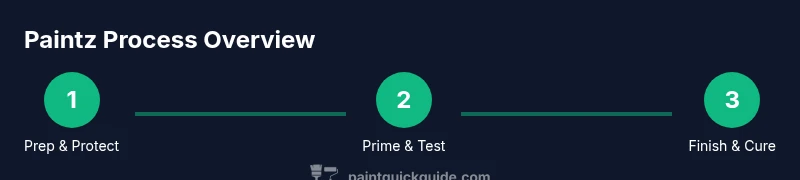
The paintz workflow is a predictable sequence that minimizes errors and rework. It starts with thorough prep: cleaning, patching, sanding, and masking, so the surface is clean and ready to hold the finish. In this phase, you lay the foundation for uniform color and edge crispness. Next comes priming, if needed, which improves adhesion, enhances stain-blocking capabilities, and helps color accuracy. Once primed, you’ll cut in around edges with a brush and then roll larger areas to achieve even coverage. A key paintz principle is to work in manageable sections to prevent drying lines and to maintain a wet edge. Allow the first coat to dry fully before applying a second coat, then evaluate coverage and color balance. If you notice patches or uneven color, a light sanding between coats can smooth textures and improve adhesion for the final finish. Throughout the process, maintain consistent climate conditions and ventilation to speed curing while protecting indoor air quality. After the final coat dries, inspect for drips or missed spots, touch up as needed, and remove masking tape while the surface remains slightly tacky to prevent peeling. The paintz method rewards patience, methodical application, and clean-up discipline, which are especially important for novices learning to hold a steady hand. The described workflow reflects practical experiences that PaintQuickGuide validates for both walls and large projects.
Car painting with paintz: durability and technique
Car painting with paintz demands additional precautions and technique. Start with a clean, corrosion-free surface: wash, dry, and remove wax or oils that can impede adhesion. Sanding to a smooth, slightly dull finish helps primers bite, and masking off areas you don’t want painted minimizes overspray. Automotive primers should be chosen for metal surfaces, while epoxy primers provide corrosion resistance for bare metal. When applying paint, follow manufacturer guidelines for mixing and thinning to achieve the correct viscosity. In paintz terms, you build a base color with a first coat, then apply a second coat to balance opacity and depth. Clear coats provide gloss and UV protection, but you must allow sufficient cure time between layers. Temperature and humidity affect how the film forms, so use a spray booth or a well-ventilated area with consistent climate conditions. Finishing steps include gentle drying times, inspection for dust nibs, and careful polishing after curing to achieve a smooth finish. The PaintQuickGuide viewpoint: car paint jobs benefit from controlled environment, patient application, and attention to detail. With paintz discipline, even a hobbyist can achieve a professional look, provided steps are followed, safety is prioritized, and clean-up routines are thorough.
Maintenance, cleanup, and long-term care with paintz
Proper maintenance extends the life of a paintz finish. Once the space is fully cured, keep surfaces clean with mild soap and water instead of harsh cleaners that could degrade coatings. Regularly inspect edges and corners for chips and peeling, addressing issues early to prevent widening cracks. When cleaning walls in busy areas, use soft cloths or microfiber mops and avoid abrasive pads that can mar the surface. For auto finishes, wash with automotive-safe cleansers and consider wax or sealants as part of a periodic maintenance plan. If you notice fading or chalking after several months, verify whether humidity, sun exposure, or surface preparation contributed to early wear. In all cases, revisit the original primer and topcoat compatibility and recoat as needed, following proper drying times. The paintz approach encourages homeowners to perform routine checks and schedule refinishing projects before wear becomes noticeable. With a thoughtful maintenance plan, the investment in paintz remains attractive for years, rather than a one-off upgrade.
Troubleshooting common issues with paintz
Paintz projects can encounter challenges, but most are preventable with upfront planning. When you see edge bleed, recheck masking alignment and consider applying a warmed coat to modify the film thickness. If paint appears patchy or streaky, ensure you’re working within a consistent temperature and humidity window, and that the rollers are loaded evenly. Peeling paint often points to surface prep gaps, inadequate priming, or using incompatible products; revisit surface cleaning, reseal the area, and recoat with the correct primer. If color shifts occur, confirm your lighting conditions and swatch selections, and then reapply a fresh topcoat after appropriate cure times. For auto refinishing, run tests on a test panel to confirm color matching and adhesion before proceeding to the vehicle. Maintain safe handling practices for all paints and solvents, especially around children and pets. The PaintQuickGuide perspective emphasizes patience, careful surface prep, and thorough testing as the best guard against common paintz pitfalls.
Tools & Materials
- All-purpose primer (water-based interior or solvent-based as needed)(Choose primer compatible with your surface and paint type)
- Assorted brushes and rollers (1-2 inch for cutting in, 4-inch rollers)(Use high-quality synthetic brushes for latex, natural for oil-based)
- Paint trays and tray liners(Keep extra liners for clean application)
- Drop cloths and painter's tape(Protect floors and edges)
- Sandpaper 120-220 grit(Smooth repairs, key for adhesion)
- Mild soap or cleaner(For surface cleaning before painting)
- Masking tools: disposable gloves, masks, safety goggles
- Solvent or water for cleanup
- Polish or microfiber cloths(For final wipe-down)
- For car painting: respirator mask, spray booth/ventilation(Follow safety guidelines)
Steps
Estimated time: Estimated total time: 6-12 hours active over 2 days.
- 1
Prep and Protect
Begin by clearing the area and laying down drop cloths. Mask off trim, outlets, and any fixtures you won’t paint. Clean surfaces to remove dust and oils; defective areas should be patched and sanded smooth. This step creates a solid foundation for even color and helps prevent paint bleed.
Tip: Masking tape should be pressed down firmly and removed while the paint is still slightly tacky to avoid lifting edges. - 2
Clean and Repair
Wipe walls or panels with a mild cleaner to remove grease or residue. Fill holes and cracks with appropriate filler, then sand until flush with the surface. Clean again to remove sanding dust before priming.
Tip: Use a fine grit sandpaper to minimize surface scratches that show through the finish. - 3
Prime If Needed
Apply primer to bare wood, repaired areas, or dark surfaces to improve adhesion and color uniformity. Allow primer to dry fully per manufacturer's guidance before painting.
Tip: Choosing a stain-blocking primer can prevent bleed-through on problem spots. - 4
Cut In and Roll
First, cut in around edges with a brush to create crisp lines, then fill in large areas with a roller using long, even strokes. Maintain a wet edge to avoid lap marks and ensure consistent color.
Tip: Load the roller evenly — overloading causes drips; under-loading leaves streaks. - 5
Wait and Recoat
Let the first coat dry completely before applying a second coat. Check for thin spots or color unbalance and apply a targeted coat where needed. Drying times depend on temperature and humidity.
Tip: If the finish looks uneven after the first coat, lightly sand between coats for a smoother final appearance. - 6
Finish, Remove Tape, and Clean
Apply the final coat and let it cure. Remove masking tape while the surface is still slightly tacky to avoid peeling. Clean brushes and tools promptly to keep them in good condition for future projects.
Tip: Inspect edges after tape removal for crisp lines; touch up while the finish remains workable.
Your Questions Answered
What is paintz and when should I use it?
Paintz is a practical painting framework that emphasizes prep, testing, and durable finishes. Use it for home interior projects and basic auto refinishing, when you want predictable results and efficient use of materials.
Paintz is a practical painting framework that emphasizes prep, testing, and durable finishes. It's ideal for home projects and light auto refinishing when you want predictable results.
Can paintz be used on exterior surfaces?
Yes, paintz applies to exterior surfaces as well, with attention to weather resistance, surface cleaning, and long-term sealing. Choose exterior-grade paints and appropriate primers for durability.
Yes, you can use paintz on exteriors, but select exterior-grade products and proper primers for durability.
Do I always need primer with paintz?
Primer is not always required, but it improves adhesion, color accuracy, and coverage, especially on repaired areas or dark surfaces. Assess surface condition and paint type to decide.
Primer isn't always necessary, but it often helps with adhesion and color depth, especially on repaired or dark surfaces.
How long does paintz take to dry?
Drying time varies by product and environment. Plan for several hours between coats and give final coats ample curing time in a well-ventilated space.
Drying depends on the product and conditions; plan for several hours between coats and full curing time in a ventilated area.
Is paintz safe for kitchens and children's areas?
Yes, by selecting low-VOC formulas and using proper ventilation. Avoid high-odor products in spaces used by children or food preparation areas.
Yes, if you choose low-VOC paints and keep the area well-ventilated.
Can I reuse brushes after paintz projects?
Yes, with proper cleaning. Rinse brushes promptly according to paint type, remove excess water, reshape bristles, and air dry completely.
Definitely—clean thoroughly and let brushes dry to reuse them for future paintz projects.
Watch Video
Quick Summary
- Plan prep before color choice.
- Match primers to surfaces and paints.
- Budget for contingencies and drying times.
- Follow a step-by-step workflow to minimize rework.
- Paintz works for home projects and car refinishing when done carefully.