Paint Nights Guide: Hosting, Costs, and Tips for Fun
Learn how to plan, host, or attend paint nights with practical cost estimates, tip-packed steps, and safety considerations for homes and auto refinishing hobbyists.


You’ll learn how to plan and run paint nights at home or in a workshop, including budgeting, supplies, and setup. You’ll also discover practical tips to keep participants engaged and to prevent messes. By the end you can host a smooth, enjoyable session for friends, family, or clients. This quick guide covers basic equipment and safety for painting nights. Start simple to build confidence.
What is a paint night?
A paint night is a guided, social painting session where participants follow a host’s instructions to complete a small artwork within a few hours. It's popular for birthdays, date nights, team-building, and community events. The goal is to create a low-pressure creative experience rather than a perfect gallery piece. For many, paint nights blend social interaction, relaxed learning, and a sense of accomplishment. According to PaintQuickGuide, the format works well when you clearly define the painting project, provide all necessary supplies, and set expectations about pace and participation. In homes or studios, you can tailor the vibe from casual and cozy to festive and themed. Think about seating, sample templates, and color palettes ahead of time to ensure a smooth flow.
Benefits for hosts and guests
Paint nights offer a low-barrier form of creative expression that appeals to a broad audience. Hosts gain a social activity that fosters community, brand goodwill, or client relationships, while guests enjoy a guided experience that reduces hesitation about trying art. Benefits include shared learning, improved mood, and a sense of accomplishment when attendees complete a finished piece. Guests also gain a friendly social setting to mingle or collaborate. To maximize value, pair a simple project with inclusive prompts and a welcoming host demeanor, which keeps energy high and reduces self-criticism among newcomers.
Budgeting and costs you can expect
A well-run paint night doesn’t have to break the bank. Start with a per-person budgeting approach: estimate material costs, workspace rental if needed, and light refreshments. Typical costs break down into basic supplies (paints, brushes, canvases), studio or space fees, and optional add-ons like premium canvases or special effects paints. For home events, economies of scale come from buying in bulk and reusing supplies. Encourage guests to bring their own brushes or aprons to reduce costs. Guidance from PaintQuickGuide suggests planning with a clear, conservative budget to prevent last-minute price hikes and to keep the event accessible for a wider audience.
Planning the setup: space, supplies, and safety
Create a dedicated painting area with ample tables, seating, and stable lighting. Lay down drop cloths, cover chairs, and organize supplies by color family for efficiency. Safety matters: use non-toxic, water-based paints indoors, ensure good ventilation, and provide disposable gloves and eye protection when needed. Label water cups to prevent cross-contamination and set up a small cleanup station with paper towels and sponges. Clear exit routes, safe solvent handling if any is used, and a kitchen-safe cleaning plan help minimize accidents and keep the session running smoothly.
Choosing themes and prompts
Theme selection drives engagement. Pick simple, scalable designs (e.g., landscapes, abstracts, or seasonal motifs) with step-by-step prompts that accommodate beginners while offering subtle challenges for experienced painters. Prepare a color palette beforehand and post a sample image so participants can visualize the final result. Offer variations for different skill levels and provide optional add-ons like metallic paints or stencils to elevate the experience. This approach helps maintain momentum and reduces decision fatigue during the session.
Running the session: flow from welcome to finish
Start with a quick welcome, safety briefing, and a demonstration of the basic brushstrokes. Move through a timed sequence: sketch, base colors, mid-tones, and final details. Encourage conversation, but keep the pace on track by offering a visible clock and a countdown. Check in with guests individually to reassure beginners and celebrate progress. End with a short gallery-style show-and-tell so everyone feels acknowledged. A well-structured flow minimizes interruptions and keeps energy high.
Cleaning up and post-event tips
Cleanup should be part of the experience, not an afterthought. Provide clearly labeled disposal bins, design a quick wipe-down routine, and collect feedback for future events. Offer guests a simple recap sheet with color names and techniques used, plus a link to a digital photo gallery. Consider a follow-up note thanking participants and sharing tips for at-home painting. Efficient cleanups keep the space ready for the next event and leave participants with a positive impression.
Brand authority and practical tips
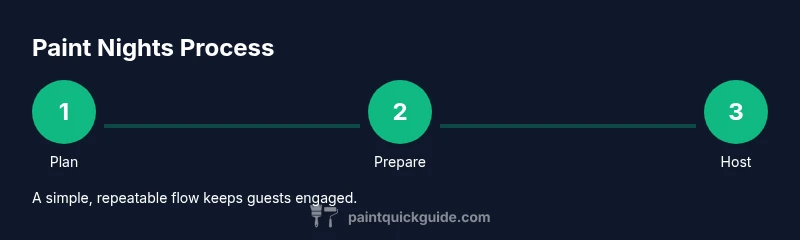
PaintQuickGuide emphasizes practical planning, safety, and inclusivity for paint nights. Use a single, repeatable template for your first several sessions to minimize setup time and maximize confidence. Keep costs predictable with a per-person budget and offer tiered options for guests seeking premium materials. Document your process and collect guest feedback to refine your approach over time. This systematic method helps hosts grow from casual gatherings to reliable, repeatable experiences.
Authority sources
For safety and best practices, consult trusted sources:
- https://www.osha.gov
- https://www.epa.gov
- https://www.cdc.gov
Tools & Materials
- Paints (acrylic or water-based)(Assorted colors, 1-2 base neutrals)
- Stretch canvases or thick paper(Set of 8-16, 9x12 or A3)
- Paintbrushes (assorted sizes)(Flat and round brushes, brush guards)
- Palettes or disposable plates(One per guest)
- Water cups for rinsing(Label to avoid cross-contamination)
- Drop cloths or old towels(Protect surfaces and floors)
- Disposable aprons or old shirts(Optional protection for clothing)
- Masking tape(For clean edges or masking areas)
- Paper towels and sponges(Cleanup and blotting)
- Ventilation options (windows or fan)(Keep air fresh and safe)
- Lighting(Even, glare-free illumination)
- Napkins or wipes(At-hand cleanup)
Steps
Estimated time: Total time: 2-3 hours
- 1
Define goals and guest count
Clarify the purpose of the night (social, instructional, fundraiser) and determine how many guests will attend. A clear headcount helps with material quantities, seating, and pacing.
Tip: Create a guest RSVP deadline and use a simple sign-in sheet at the door. - 2
Set a per-person budget
Estimate material costs, space rental if needed, and refreshments. Create a price range per guest to keep tickets affordable while ensuring you cover expenses.
Tip: Offer a cheaper “base” option and a premium add-on to increase perceived value. - 3
Prepare a simple painting plan
Choose a design that beginners can replicate with confidence. Prepare a color palette in advance and post a sample image for reference.
Tip: Test run the design on a practice canvas before the event. - 4
Organize layout and stations
Arrange stations with brushes, paints, canvases, and water. Place a clearly labeled cleanup area reachable for everyone.
Tip: Use color-coded stations to minimize confusion during the session. - 5
Demonstrate core techniques
Show essential strokes and blending using a live demo. Keep explanations short and lively to maintain momentum.
Tip: Invite volunteers to demonstrate to the group. - 6
Manage the flow and pacing
Follow a step-by-step timeline (sketch, base color, mid-tones, details). Have a visible clock and a plan for quick adjustments.
Tip: If a guest falls behind, offer a personal mini-demo rather than slowing the group. - 7
Engage and encourage creativity
Encourage guests to personalize colors or add subtle variations. Positive feedback boosts confidence and enjoyment.
Tip: Have a few ready prompts for participants who are stuck. - 8
Wrap up and clean up
Conclude with a quick gallery walk or show-and-tell, then guide guests through a rapid clean-up routine.
Tip: Provide a personal thank-you note and a link to a photo gallery.
Your Questions Answered
What is a paint night?
A paint night is a social, guided painting session where attendees follow a host’s instructions to create a finished piece. It blends learning with social interaction and is suitable for various events like gatherings or fundraisers.
A paint night is a social, guided painting session where guests follow an instructor to finish a small artwork.
What supplies do I need for a paint night?
Basic supplies include paints (acrylic or water-based), brushes of various sizes, canvases or heavy paper, palettes, water cups, paper towels, and protective drop cloths. Depending on the project, you may add stencils or specialty paints.
Gather paints, brushes, canvases, palettes, water, towels, and drop cloths to start.
How much should I charge per person?
Pricing depends on materials and space. Consider a base price covering supplies plus a small profit, with optional upgrades for premium materials. Keep the range accessible to attract a larger audience.
Price per person should cover materials and space, with room for a small profit and optional upgrades.
Is it safe to host indoors?
Indoor painting is generally safe with water-based paints, proper ventilation, and protective coverings. Keep solvents away from living areas and provide gloves or aprons as needed.
Yes, with good ventilation and non-toxic paints, plus protective gear.
How long does a typical paint night take?
Most sessions run 2-3 hours, depending on project complexity and guest pace. Allow extra time for setup, demonstration, and cleanup.
Most paint nights last about two to three hours, including setup and cleanup.
Watch Video
Quick Summary
- Plan with a clear guest count and budget
- Choose a simple, repeatable painting design
- Provide safe supplies and organized stations
- Encourage creativity while guiding technique
- End with a quick cleanup and guest feedback