How to Check Painting Value: A Practical Guide
Learn how to check painting value for both home and auto projects. This guide covers key factors, cost considerations, step-by-step methods, and tips to maximize ROI while keeping projects on budget.


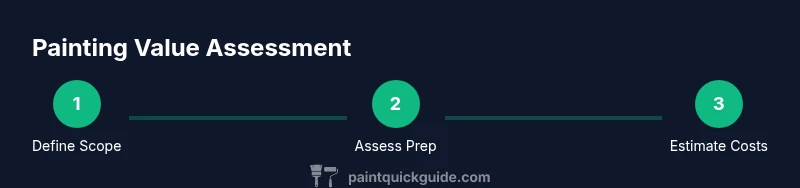
In practical terms, how to check painting value means defining scope, gathering material and labor data, and comparing outcomes to your goals. Follow a 3-step approach: 1) outline your project and finish quality; 2) estimate labor, materials, and prep; 3) compare bids and expected durability to the goal. According to PaintQuickGuide, start with scope and finish quality to gauge value early.
What painting value means
Understanding painting value starts with clarity about what you want to achieve. When homeowners and auto refinishing hobbyists ask how to check painting value, they are really asking: will the project look right, last long, and fit the budget? The PaintQuickGuide approach emphasizes aligning aesthetics, durability, and cost with your goals. Value isnt just about price; its about the long-term satisfaction and how well the result stands up to use and exposure. Good value blends practical durability, appropriate materials, and clean, professional workmanship. This section lays a foundation for comparing jobs that might appear similar on the surface but differ in preparation, materials, and technique. By focusing on outcome, you can separate cheap shortcuts from true value.
Core concepts of value in painting
Paint value hinges on four pillars: scope, material quality, prep, and finish durability. Scope defines what surfaces will be painted, how many rooms or panels, and whether repairs are needed. Material quality includes paint type, primer, and topcoat; for interior spaces, durability and scrubability matter, while for exteriors, weather resistance counts. Prep quality often drives outcomes more than any other step; thorough cleaning, sanding, and caulking reduce future peeling and color loss. Finish quality affects appearance and washability. When you compare bids, ask for per-task breakdowns so you can see how much is allocated to prep, priming, coats, and finish. The bottom line: value is the balance of cost, durability, and appearance over time.
Home painting value: interior and exterior considerations
Interior painting value depends on space size, surface condition, color consistency, and the choice of finish. A premium finish can look richer and last longer, but it comes with higher upfront cost. Exterior value adds longevity against weather and fading; the right primer and high-quality exterior paint can reduce maintenance in the long run. When evaluating value for home projects, consider these questions: Are repairs included in the price? Is proper surface preparation mandated? Will the finish hold up to humidity, temperature swings, or sunlight? For homeowners, choosing a mid-to-high-quality primer and finish often yields better long-term ROI, especially in high-traffic areas.
Car painting value: auto refinishing considerations
Auto painting value blends aesthetics with protection against environmental damage. In car projects, durability of the clear coat, color match, and resistance to chipping are crucial. The value question here asks whether a full repaint, partial touch-up, or budget wrap provides better longevity and resale impact. A high-quality basecoat and clearcoat with proper sanding and polishing yields a durable finish that resists UV fading and road debris. If you plan to drive the vehicle daily, investing in quality adhesion, proper curing, and a good topcoat can improve value more than a cheaper, quick-fix approach.
How to quantify value: an actionable framework
Create a value score by weighting factors important to your project: aesthetics (appearance), durability (wear and weather resistance), and cost efficiency (capital outlay versus expected lifespan). Assign a simple scale (low/medium/high) to each factor and combine them into a total value score. Use this to compare recommendations from different contractors or DIY plans. Document assumptions: surface condition, square footage, number of coats, type of paint, and expected maintenance. This ensures you can justify your choices if a future issue arises. Tracking results after completion helps refine your method for future projects.
Practical steps to improve painting value without breaking the budget
There are practical moves that improve value without inflating costs. Invest in proper prep: cleaning, sanding, and priming create a solid base that extends the life of the topcoat. Choose durable finishes for high-traffic areas or exterior surfaces, and use color samples or small test patches to verify appearance before committing. Prioritize low-odor and low-emission options when indoor air quality is a concern. Finally, factor in maintenance: washing, touch-up, and occasional re-coats can keep the project looking new for longer, increasing long-term value.
How to compare bids and track ROI
When you receive bids, look beyond the bottom line. Request itemized estimates showing labor, materials, and prep separately. Compare the durability and warranty terms offered by each contractor, and ask for a color and finish rationale. To calculate ROI, estimate the expected lifespan extension and maintenance savings versus the upfront cost. A higher upfront investment may yield greater long-term payoff if it reduces ongoing maintenance and repaint frequency. Keeping a project log helps you measure actual ROI over time.
Common pitfalls and how to avoid them
Common missteps include underestimating prep, ignoring surface repairs, and selecting the lowest bid without checking finish quality. Avoid rushing the color selection; small swatches can look different on large surfaces. Be wary of promises like a flawless color match without a proper base. Finally, ensure permits or HOA rules arent be overlooked for exterior work. By planning thoroughly and verifying details, you can avoid regretful decisions and maximize the value of every painting project.
Tools & Materials
- Drop cloths or plastic sheeting(Protect floors and furniture; use heavier drop cloths for reliability.)
- Painter's tape(Crease-free edges to protect trim and achieve crisp lines.)
- Paint brushes (angled and flat)(Variety of sizes for edges and larger areas.)
- Rollers and trays(Choose nap length based on surface texture.)
- Putty knife and spackle/caulk(Repair holes and seal gaps before painting.)
- Sanding blocks or detail sander(Smooths surfaces for better finish (essential on rough surfaces).)
- Primer (oil-based or latex depending on surface)(Improves adhesion and coverage on difficult surfaces.)
- Paint and finish coats(Select based on room use and durability needs.)
- Respirator mask or respirator with organic vapor cartridges(Protects against fumes in enclosed spaces.)
- Degreaser or mild cleaner(Preps surfaces free of oils and dirt.)
- Caulk and sealant(Seal gaps between trim and walls to prevent peeling.)
- Ladder or step stools(Access high areas safely.)
- Waste disposal bags/containers(Dispose of paint waste according to local regulations.)
Steps
Estimated time: Total time varies by project size; interior rooms typically take 6-12 hours per room including prep and clean-up.
- 1
Define scope and goals
Identify which surfaces will be painted, desired finish, and any repairs needed. Clarify whether you are painting interiors, exteriors, or both, and set a realistic finish quality target.
Tip: Document the surfaces and gains you expect from the project to guide material selection. - 2
Assess current condition and prep needs
Inspect for peeling paint, moisture damage, cracks, and surface texture. Note repairs and cleaning requirements to ensure proper adhesion.
Tip: Poor prep is the top predictor of premature failure; allocate time and materials accordingly. - 3
Estimate labor and materials
Estimate person-hours and material quantities, including primer, paint, and finish coats. Break out prep, priming, coats, and cleanup for a transparent bid.
Tip: Ask for per-coat coverage estimates to compare efficiency across bids. - 4
Choose materials with durability in mind
Select paints, primers, and finishes suited to surface type, traffic level, and exposure. Higher durability and washability often extend value.
Tip: Request color-matching samples on the actual wall before committing. - 5
Assess color and finish choices
Test color samples in multiple lighting conditions and on different walls. Verify that the finish meets both aesthetics and durability needs.
Tip: Keep color-consistent across rooms to avoid rework. - 6
Review bids and assemble ROI
Compare bids with a focus on prep quality and finish durability. Estimate long-term maintenance and repaint intervals to gauge ROI.
Tip: Prefer bids that include detailed prep steps and warranty terms. - 7
Schedule and execute the project
Set a realistic timeline, protect non-painted areas, and monitor progress. Ensure proper curing time between coats for best results.
Tip: Avoid rushing the curing phase; it impacts finish quality. - 8
Document results and plan maintenance
Record materials used, coat counts, and any issues encountered. Create a maintenance plan to preserve value over time.
Tip: Take progress photos and notes for future projects.
Your Questions Answered
What does painting value mean in practical terms?
Painting value combines appearance, durability, and cost efficiency. It answers whether the investment yields long-lasting, satisfactory results within your budget.
Painting value is about how good it will look, how long it will last, and how much it costs. It combines appearance, durability, and cost to judge if the project is worth doing.
How do I estimate labor costs for a painting project?
Labor costs depend on room size, surface preparation, and complexity. Break out tasks like prep, priming, coats, and cleanup to estimate hours and multiply by your local rate or contractor quote.
Labor costs come from prep, priming, coats, and cleanup. Break it down to hours and rate to estimate accurately.
Is DIY painting value comparable to hiring pros?
DIY can save labor costs but may compromise prep quality and finish durability. Pros typically produce a more durable finish with better color accuracy, reducing long-term maintenance costs.
DIY can save money upfront but might cost more later if prep and finish suffer. Pros usually provide a longer-lasting, better-looking result.
What should I ask for in a bid to compare value?
Ask for a line-by-line breakdown of prep, primer, coats, finishes, and cleanup. Request warranties and color-match guarantees to understand long-term value.
Get a clear breakdown of prep, coats, and cleanup, plus warranty details to compare value.
How does exterior painting affect value differently from interior?
Exterior painting targets weather resistance and curb appeal; interior focuses on appearance and washability. Both affect resale value, but exterior longevity often has a larger long-term impact.
Exterior work boosts curb appeal and weather resistance, while interiors emphasize looks and cleanability.
When should I redecorate instead of repainting?
If surfaces are heavily damaged or the color change is dramatic, it may be more cost-effective to replace or add new materials than a full repaint.
If surfaces are damaged beyond repainting or you want a major look change, consider alternatives to repainting.
Watch Video
Quick Summary
- Define scope and goals before buying supplies
- Prioritize prep; it drives long-term value
- Choose durable finishes for high-use areas
- Ask for itemized bids to compare prep and coats
- Document results for better ROI in future projects