Paint on Roofing: A Practical Home Guide to Roof Painting
Learn how to safely and effectively paint a roof, covering prep, coatings, application methods, weather timing, costs, and maintenance. PaintQuickGuide provides practical steps, safety tips, and examples for DIY roof painting.


You can refresh a worn roof by applying a weatherproof coating designed for roofing materials. The essential steps are thorough surface cleaning, correct primer or coating choice, and safe, fall-protected access. This guide provides step-by-step instructions, cost ranges, and practical tips for DIY roof painting. Expect to plan for weather windows, surface repairs, and proper disposal of materials.
Why Roof Painting Matters
Roof painting matters beyond curb appeal. A well-chosen, weatherproof coating protects the roof deck from moisture intrusion, UV damage, and temperature swings. When you invest in a quality coating and proper surface prep, you improve longevity and reduce future maintenance costs. The PaintQuickGuide team emphasizes that the right coating for your roof type can reflect heat, reduce cooling loads, and extend service life. By treating the roof as a living surface that responds to climate, homeowners gain a durable finish that withstands seasonal stress and harsh weather. This is not merely cosmetic—roofs play a critical role in home protection, energy efficiency, and resale value. Beyond aesthetics, roof coatings contribute to the building’s overall performance, and careful selection coupled with proper prep yields the best return on investment.
- According to PaintQuickGuide, start with material compatibility and substrate cleanliness to maximize adhesion and longevity.
Surface Prep Principles for Roofs
Surface prep is the single most important factor in roof painting success. Begin with a thorough inspection to identify loose shingles, damaged flashing, moss growth, and cracks. Remove debris with a stiff brush or a blower, and use a pressure washer or hose to remove dirt, algae, and moss—but avoid blasting fragile shingles. Allow the roof to dry completely before coating. Repair cracks and chipped edges with an appropriate filler, and re-caulk where needed. Mask off edges, vents, and gutters to keep paint off unwanted areas. If the roof previously had peeling coatings, remove failed layers or consult a roof coating compatibility guide. Clean, dry surfaces ensure better adhesion and longer-lasting results, reducing the likelihood of blistering or peeling. PaintQuickGuide recommends a two-pass cleaning for moss-prone roofs to ensure a solid base for the coating.
Choosing the Right Paint and Coatings
Roof coatings come in several families, including acrylic, elastomeric, and silicone-modified blends. The best choice depends on roof material (asphalt shingles, metal, tile, or flat membranes), climate, and expected foot traffic on the surface. For most residential shingles, acrylic or elastomeric coatings with UV reflectivity offer a balance of durability and flexibility. Eliminate compatibility guesswork by checking the coating’s substrate requirements and whether a bonding primer is advised. Some coatings require surface priming on porous substrates, while others can be applied directly. Color and reflectivity matter for energy efficiency, so consider light shades that reflect solar heat. Always follow the manufacturer’s recommendations, and consult local guidelines to ensure your coating meets weather exposure and warranty terms. PaintQuickGuide notes that matching coatings to roof type yields the best adhesion and performance.
Application Methods: Brush, Roller, or Spray
Application method depends on roof layout, pitch, and product recommendations. Brushes are ideal for edges, valleys, and tight areas; rollers cover flat roof surfaces efficiently; and spray systems can speed large-area coverage, provided you have proper masking and wind control. Regardless of method, use compatible application tools and maintain a consistent coat thickness to avoid sags or pooling. Work in sections and maintain a wet edge to prevent lap marks. If spraying, test a small area first to verify spray pattern and adhesion. Always wear safety gear and enforce fall protection when working on pitched roofs. A well-executed application yields a uniform, seamless finish that dries evenly and resists weathering for years. PaintQuickGuide underscores the importance of technique consistency for even color and protection.
Weather and Timing for Roof Painting
Choose a window of dry weather with moderate temperatures and low humidity for best results. Avoid painting during rain, fog, or when rain is expected within the cure window, as moisture disrupts adhesion. Temperature affects drying time and coating performance, so plan sessions accordingly and check forecast windows. Early mornings or late afternoons can reduce sun exposure while maintaining workable temperatures on many roofs. Proper curing requires patience; even on sunny days, you may need to limit foot traffic on freshly coated areas until fully cured. By aligning work with favorable conditions, you maximize adhesion and reduce the risk of premature coating failure. PaintQuickGuide advises checking product-specific cure times and ensuring surface temperature meets the minimum requirement for the coating you selected.
Typical Workflow for Roof Painting (Overview)
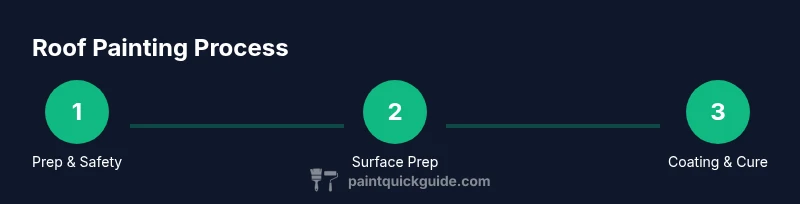
A typical roof painting project follows a clear sequence designed to protect the home and ensure durability. Start with safety planning and equipment setup, then proceed to surface cleaning and repairs. Next, apply primer or bonding coat if required, followed by the first coating and, finally, a second coat if the manufacturer recommends it. Don’t forget edging around vents, chimneys, and flashing. After painting, perform a gentle clean-up of tools and work area, and allow full cure before returning foot traffic to the roof. This structured workflow reduces errors and yields a professional-looking finish. The PaintQuickGuide approach emphasizes preparation, consistent technique, and appropriate curing to extend roof life.
Safety, Permits, and Environmental Considerations
Roof painting carries fall and slip risks. Always use fall protection, secure ladders, and wear non-slip footwear. Clear the work area of bystanders and pets, and follow local regulations regarding disposal of old coatings and cleanup materials. If your roof contains lead-based paint or you suspect hazardous coatings, contact local environmental authorities before any work begins. Use eco-friendly cleaners and angle-safe cleaning methods to minimize runoff and environmental impact. Proper disposal and responsible material handling are essential to minimize risk to people and the environment. The PaintQuickGuide team highlights that safety and compliance are non-negotiable, regardless of project scope.
Cost Considerations and DIY vs Hiring Pros
Costs for roof painting vary with roof size, coating type, and access challenges. DIY projects can save labor costs but require time, proper equipment, and safety measures. Hiring a pro adds expertise, ensures coverage uniformity, and often includes warranty considerations. Budget for coatings that match roof material and climate, plus PPE and scaffolding or ladders if needed. While you may find lower-cost options, prioritize quality coatings and proper surface prep to avoid premature failure. PaintQuickGuide notes that while material costs vary, the value of a durable, well-applied finish often justifies the investment over ad-hoc approaches.
Maintaining a Fresh Roof Finish
Long-term maintenance involves periodic inspection, cleaning to remove debris, and timely recoating or touch-ups as needed. Clean gutters and ensure drainage routes remain clear to prevent water pooling near edges. Keep an eye on high-traffic areas, flashing, and sealant integrity, and address UV wear by reapplying coating in the recommended intervals. Regular inspections help catch early signs of wear, such as chipping, fading, or minor cracking, allowing for targeted repairs rather than full roof repainting. Proper maintenance extends the coating’s life and preserves curb appeal for years to come. PaintQuickGuide emphasizes proactive upkeep as a cornerstone of roof durability and aesthetics.
Authoritative Sources and Further Reading
- OSHA Roof Safety Guidelines: https://www.osha.gov
- EPA Lead Paint Guidelines: https://www.epa.gov/lead
- Energy Department Roofing and Energy Efficiency: https://www.energy.gov
- Local building codes and manufacturer specifications should also guide your project. Reference these sources for safety, compliance, and best practices.
FAQ: Roof Painting Essentials
FAQ: Roof Painting Essentials
- Do I need to remove old paint before painting a roof? Short answer: Yes, if the old coating is peeling or poorly adhered. Prepare by removing loose material and cleaning thoroughly before re-coating.
- Can I use regular house paint on a roof? Generally not recommended; roof coatings are formulated for weather resistance and UV exposure. Use products designed for roofing materials and follow manufacturer instructions.
- How long does roof paint last? Durability depends on coating type, substrate, climate, and prep; expect several years with proper maintenance, but recoat intervals vary by product.
- Is roof painting a DIY job or should I hire a pro? Both are possible; your decision depends on roof pitch, accessibility, and safety comfort. A professional can ensure consistent film thickness and warranty coverage.
- What colors work best for energy efficiency? Light reflectivity reduces heat absorption; consider reflective or white/off-white shades if not restricted by HOA or local codes.
- Are there safety concerns I should heed? Always wear PPE, use fall protection, and avoid working on wet or windy days.
mainTopicQuery…
videoEmbed
Tools & Materials
- Roof coating/paint suitable for roofing material(Choose a coating compatible with roof material (asphalt shingles, metal, tile) and intended weather exposure)
- Primer or bonding agent (if required by coating(Some porous surfaces or coatings require a bonding primer)
- Pressure washer or hose with stiff brush(Use low-pressure setting to avoid damaging shingles)
- Roof cleaning solution (detergent)(Mild, non-abrasive detergent helps remove grime without damage)
- Caulk or filler for repairs(Use compatible filler for cracks and gaps before coating)
- Masking materials(Mask edges, vents, gutters to protect areas not being coated)
- Drop cloths or tarps(Protect plants, walkways, and windows below the roof line)
- Ladders/scaffolding(Stable setup with fall protection measures)
- Safety gear (gloves, goggles, respirator)(Protect eyes, skin, and lungs from fumes and dust)
- Extension pole and rollers(For even coverage on broad roof surfaces)
- Spray equipment (optional)(Use only if you have experience and wind conditions are favorable)
Steps
Estimated time: 4-8 hours
- 1
Assess safety and set up gear
Plan your work area, install fall protection, and check weather conditions. Gather all tools and materials before you start to avoid mid-task trips up the roof.
Tip: Always have a buddy to assist and a clear escape route if you need to descend quickly. - 2
Inspect roof and repairs
Walk the roof carefully to identify damaged flashing, loose shingles, or cracks. Mark spots that require patching or sealing before cleaning.
Tip: Address any structural issues first to prevent coating failure. - 3
Clean and degrease surface
Remove dirt, moss, and debris with a stiff brush and mild detergent solution. Rinse thoroughly and allow the surface to dry completely.
Tip: Moisture in the surface will hinder adhesion. - 4
Mask edges and protect surroundings
Cover vents, gutters, and adjacent walls. Use masking tape to create clean paint lines and prevent overspray.
Tip: Masking saves cleanup time and prevents damage to surrounding areas. - 5
Prime or bond coat if required
Apply primer only if the coating system requires it, especially on porous or smooth substrates.
Tip: Primer improves adhesion and prevents flaking. - 6
Apply first coat evenly
Use back-and-forth strokes (or even spray pattern) to achieve uniform film thickness. Maintain a wet edge to avoid lap marks.
Tip: Keep a consistent pace to avoid thin patches. - 7
Apply second coat if recommended
Let the first coat cure per product instructions, then apply a second coat for color depth and durability.
Tip: Two coats often provide best protection and finish. - 8
Cleanup and cure
Remove masking, clean tools, and ensure the coated surface cures in controlled conditions. Avoid traffic on the roof until fully cured.
Tip: Curing times vary by product and weather; follow manufacturer guidance.
Your Questions Answered
Do I need to remove old paint before painting a roof?
If old paint is peeling or loose, remove it to ensure proper adhesion. Clean and repair any surface damage before recoating.
If the old coating is peeling, remove it first and clean the surface for good adhesion.
Can I use regular house paint on a roof?
Most house paints aren’t formulated for roof exposure. Use coatings designed for roofing materials to ensure durability and protection.
House paint isn’t ideal for roofs; use roofing-specific coatings.
How long does roof paint last?
Durability depends on the coating type, climate, and maintenance. With proper prep and recoating, you can expect several years of protection.
With proper prep and maintenance, roof coatings last several years.
Is roof painting a DIY job or should I hire a pro?
DIY is feasible for simple roofs and well-prepared projects, but a pro handles complex pitches, safety, and warranty considerations.
You can do it yourself if you’re comfortable with safety and technique; otherwise, hire a pro.
What colors work best for energy efficiency?
Light or reflective colors reduce heat absorption and can improve energy efficiency, depending on climate and HOA rules.
Lighter colors reflect heat and can help save energy, depending on your location.
Are there safety concerns I should heed?
Yes—fall hazards, weather risks, and ladder stability are critical. Use fall protection and PPE, and follow local regulations.
Safety first: wear PPE and use fall protection when working on roofs.
Watch Video
Quick Summary
- Prepare thoroughly for safe, durable results
- Choose roof-specific coatings and verify substrate compatibility
- Follow a structured workflow for consistent coverage
- Weather and curing conditions drive adhesion and longevity
- Maintenance and timely recoats extend roof life