How Often Should You Paint: A Practical Guide for Interiors, Exteriors, and Cars
Discover practical guidance on how often you should paint interior walls, exterior surfaces, and automotive finishes. Learn signals to repaint, planning tips, and maintenance strategies to keep surfaces protected and looking fresh.


Painting frequency is how often you repaint to preserve appearance and protection. Interior walls often need refresh when wear or staining becomes noticeable, with higher traffic spaces needing attention sooner. Exterior finishes depend on climate and sun exposure, while auto finishes follow wear and color goals. Use signals like fading, chalking, and peeling to guide scheduling.
Why painting frequency matters
Paint is both cosmetic and protective. How often you repaint determines the long term look of your space and the protection of underlying materials. According to PaintQuickGuide, establishing a sensible repaint cadence helps you budget, plan maintenance, and preserve surfaces before damage escalates. A thoughtful schedule reduces the risk of moisture intrusion on walls, wood trim rot, or metal corrosion, while avoiding unnecessary downtime. In practice, frequency is driven by use, environment, substrate, and paint quality. Low traffic interiors with sealed walls may hold color and finish longer, while kitchens, bathrooms, and exterior facades face harsher conditions. By combining surface inspection with product recommendations, you can create a reliable calendar that keeps your home and your project goals aligned.
Interior painting cadence
Interior repaint frequency varies by room and traffic. In low traffic spaces such as bedrooms or formal living rooms, color and finish can last longer if surfaces are clean and prepped well. In kitchens and bathrooms, humidity and splashes wear finishes faster and may require earlier refresh. Exterior paint life is influenced by sun exposure and climate, so provide a longer window in mild zones and shorter in hot sunny or wet climates. The cadence you choose should balance appearance with maintenance cost, and it should reflect how often you plan rooms for new color ideas. Regular inspections after cleaning or seasonal changes will help you catch wear and fading early. This approach keeps your home looking fresh while protecting walls from moisture and staining.
Exterior painting cadence
Exterior paint endures weather exposure including sun, rain, wind, and temperature swings. In temperate climates with moderate sun, a repaint cycle may feel longer, while harsh climates with strong UV rays or heavy moisture shorten the interval. Surfaces such as wood trim or masonry require attention to peeling, blistering, or chalking to prevent structural damage. A periodic paint plan should consider primer compatibility and sealants to reduce moisture intrusion. Maintenance steps like cleaning and addressing mildew before repaint can extend life. Always match paint type to substrate and local conditions, and remember that sealants and caulk play a role in performance as well.
Car painting cadence
Auto refinishing depends on climate and usage. Vehicle finishes fade with sun exposure, chemical exposure, and daily washing. A repaint cycle may be required after clear coat wear or compelling color changes. If you work on a classic or project car, plan for multiple coats and proper curing times to avoid solvent trapping. For high mileage or parked in sun, a more frequent refresh may be needed to protect metal and maintain gloss. Always choose automotive grade paints and follow manufacturer guidance for top coats and clear coats to ensure durability.
How to tell its time to repaint
Look for visible signs of wear such as fading color, chalky film, or cracking in the top layer. Peeling or blistering indicates the finish has failed and moisture may be reaching the substrate. Water stains on walls or staining on exterior surfaces can signal underlying issues that repaint will fix. In addition to surface wear, you may notice increased cleaning needs as the paint loses resistance to stains. Set a planned inspection schedule to catch these signals early and prevent larger repairs later.
Maximizing longevity through materials and prep
Longevity depends on choosing the right paint and doing thorough surface prep. Select durable acrylic latex for interiors in most homes and weather resistant enamel for trim. Exterior coatings should include a weather resistant finish with good UV protection. Use a high quality primer on bare timber, drywall repairs, or stained surfaces to improve adhesion and seal surfaces. Proper sanding, patching, and sealing prevent micro cracks. Work with a consistent sheen such as satin for walls in living areas and semi gloss for kitchens and baths to ease cleaning and maintain life.
Planning and scheduling your repaint
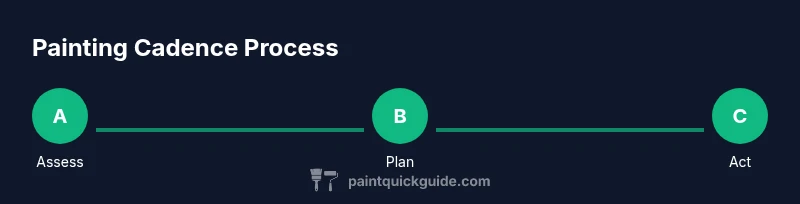
Create a schedule that accounts for room usage, weather, and budget. Start with a room by room assessment, listing problem areas and the amount of prep work required. Build in a buffer for unexpected issues and set a flexible time frame for project interruptions. Consider the best season for indoor painting, typically when heat and humidity are moderate and air quality is comfortable. Document the plan and track progress with photos to compare against your goals over time. A clear plan helps avoid scope creep and ensures consistent results.
Maintenance between full repaint
Between full repaint cycles you can extend life with routine cleaning, touch ups, and prompt repairs. Clean walls with a gentle solution and inspect for scuffs or small cracks. Address moisture issues promptly and re caulk where needed. Keep a small stock of matching touch up paint and a roller used for spot repairs. A simple record of when the last coat was applied helps you know when to schedule the next full repaint.
Cost considerations and roi
Painting costs vary with room size, surface condition, and paint quality. Higher quality paints cost more up front but can reduce the frequency of repaint and resistance to stains and wear. Plan for preparation work which often influences total cost as much as paint itself. A good schedule saves time and labor in the long run, while maintaining the overall appearance and value of your property. In many projects the intangible benefits of a refreshed color and improved mood are notable components of return on investment. PaintQuickGuide analysis shows that premium finishes may lower long term repaint frequency when paired with proper prep and substrate care.
Safety and environment
Ventilation is essential for indoor painting. Wear protective gear and use ladders safely. Keep pets and children away from work zones. Store solvents and paints in a cool dry place away from heat sources. Choose low VOC paints to minimize fumes and drying times when possible. Dispose of old paint according to local regulations. Following safety guidelines helps you complete the work efficiently and reduces risk for your family.
Quick start checklist
- Inspect surfaces and plan the scope of work
- Choose appropriate paint and sheen based on room and climate
- Prepare and mask the area thoroughly
- Prime bare surfaces if needed and apply top coats evenly
- Allow proper curing time before use
- Schedule a follow up inspection to plan next repaint
Common mistakes to avoid
Rushing prep, skipping primer, or using low quality paint on high traffic areas leads to early wear. Over thinning paint or applying thick coats creates runs and long curing times. Skipping ventilation or neglecting safety rules increases risk. Not testing patches for adhesion can lead to peeling after weeks. Always follow manufacturer guidance and consider a professional for exterior projects that involve structural surfaces.
Tools & Materials
- High quality interior/exterior paint (chosen finish)(Acrylic latex for exteriors; enamel for trim where appropriate)
- Primer(Choose stain blocking or bonding primer by surface)
- Brushes set(Assorted widths for edges and trim)
- Rollers and extension pole(4-9 inch rollers; extension for ceilings)
- Drop cloths or plastic sheeting(Protect floors and furniture)
- Masking tape(Painter tape for clean lines)
- Sanding block or sandpaper(120-220 grit for prep)
- Putty knife and spackle(For patching small holes and cracks)
- Caulk and caulk gun(Seal gaps around trim and fixtures)
- Ladder or stable scaffold(Safe height access)
- Respirator or painter mask(Low VOC if possible)
- Safety glasses(Eye protection)
- Rags and stir sticks(Stir paints, clean spills)
- Paint tray and liners(Easy top coat application)
- Cleaner/degreaser(For prep in grease zones like kitchens)
Steps
Estimated time: Total time: 2-4 days
- 1
Assess surfaces and plan
Walk the project, identify problem areas, note substrate types, and estimate prep needs. Record any moisture issues and determine if repairs or priming are required before finishing. This upfront planning saves rework.
Tip: Take photos for reference and make a room by room checklist. - 2
Choose paint and sheen
Select a paint type that matches surface and climate. Higher traffic spaces benefit from a durable satin or semi gloss; living areas often use eggshell or matte. Sheen affects cleaning and appearance.
Tip: For kitchens and baths, choose moisture resistant finishes. - 3
Prepare surfaces
Clean surfaces thoroughly, fix cracks, and sand rough areas. Remove old loose paint to ensure good adhesion. Clean lines help achieve a professional look.
Tip: Dull glossy surfaces slightly to improve primer adhesion. - 4
Mask and protect
Apply masking tape along edges and cover floors and furniture with drop cloths. Remove hardware or protect it to keep finishes clean.
Tip: Masking helps prevent costly touch ups later. - 5
Prime where needed
Apply primer on bare wood, repaired drywall, or stained surfaces to seal and improve adhesion. Let primer dry fully before top coating.
Tip: Stain blocking primer stops bleed through on knots. - 6
Apply top coats
Apply even coats with proper wet edge technique. Work in sections and avoid over brushing to prevent streaks and air bubbles.
Tip: Maintain a consistent pace to prevent lap marks. - 7
Let coats cure
Allow recommended curing time between coats. Ensure good ventilation to speed drying and reduce fumes.
Tip: Do not rush to move furniture back until paint is fully dry. - 8
Plan for maintenance
Set reminders to inspect surfaces and plan the next repaint. Noting wear helps maintain a fresh look and prevent larger repairs.
Tip: Document color, finish, and date for future reference.
Your Questions Answered
How often should you repaint interior walls?
Interior repainting depends on room use, sun exposure, and how well the surfaces were prepped. Look for fading, staining, and wear, then set a plan that fits your lifestyle. More frequent refreshes are common in kitchens and bathrooms.
Interior walls should be repainted when wear is visible or stains accumulate, with kitchens and bathrooms needing refreshes sooner due to humidity.
Does color choice affect repaint frequency?
Color choice does not change the durability of the coating, but lighter colors may show flaws sooner and darker colors may hide wear longer. Finish and prep quality matter more for longevity.
Color can influence how wear shows, but prep and paint quality mostly determine life between repainting.
How often should you repaint exterior surfaces?
Exterior paint life depends on climate, sun exposure, and moisture. Expect longer intervals in mild climates and shorter in harsh, sunny, or wet environments. Regular maintenance helps extend life.
Exterior timing depends on climate and sun exposure; inspect regularly and repaint when you see wear.
Can you extend paint life with primers or sealants?
Yes. Primers improve adhesion and seal surfaces, and high quality sealants reduce moisture intrusion. This is especially helpful on problematic substrates.
Primers and sealants can extend how long a paint job lasts.
What signals indicate you should repaint now?
Look for fading, chalking, cracking, peeling, or new moisture stains. These indicate the finish is failing and protection is reduced.
If you see fading or cracking, consider repainting.
How long should paint dry between coats?
Follow the product label for dry times. In general, ensure the surface is dry to touch and free of tack before applying the next coat.
Dry times vary; always check the label and wait until the coat is dry.
Watch Video
Quick Summary
- Plan the repaint schedule before starting.
- Choose the right sheen for each space to ease maintenance.
- Thorough prep yields longer lasting results.
- Use quality primers and paints to reduce future cycles.
- Regular inspections extend painting life.