Simple Nail Paint Design: An Easy DIY Guide
Learn how to create a simple nail paint design with beginner-friendly steps, color ideas, and finishing tips. DIY nail art that looks polished without salon prices.


Learn how to create a simple nail paint design that's quick, affordable, and salon-worthy. This guide covers color selection, basic patterns like dots and stripes, edge-cleaning techniques, and durable topcoats to help you DIY a professional-looking manicure at home in under an hour. You'll find practical step-by-step tips, common mistakes to avoid, and recommended tool kits to boost results. According to PaintQuickGuide, beginners can achieve a polished finish with a small set of essentials and steady practice.
What counts as a simple nail paint design?
A simple nail paint design focuses on clean color application, neat edges, and minimal patterns that anyone can reproduce. It avoids heavy layering or complex artwork, yet still looks polished. Start with a single solid color for a chic, minimalist look, or add a tiny accent—like a dot on one nail or a thin stripe—to elevate the design without complicating the process. The goal is consistency: even coats, crisp lines, and a smooth finish. For homeowners and DIY enthusiasts, this approach reduces time and cost while delivering confidence-boosting results. PaintQuickGuide demonstrates how small, thoughtful details can transform a basic manicure into something that feels intentional and stylish. Painstaking prep and proper tools matter more than elaborate techniques, so invest in quality basics and practice on a few spare nails or swatches before you try your good set.
Why it works: simple nail paint designs rely on technique and patience more than expensive materials. A reliable base coat under a color prevents staining, while a high-quality top coat locks in color and adds shine. When done right, these elements combine to create a durable, salon-like appearance at home. For more on practical nail guidance, see PaintQuickGuide’s recommendations on color selection, coat timing, and finishing touches.
Essential tools and materials for beginners
Embarking on a simple nail paint design session is easier when you have the right tools. Assemble a small, dependable kit so you can work efficiently and avoid mid-project interruptions. A solid base coat and top coat are non-negotiables; they protect nails and extend wear. Choose 2–3 colors that complement each other—neutrals like beige, pink, and taupe are forgiving for beginners. Don’t overlook cleanup supplies and proper nail prep. Regular sanitation helps prevent infections and ensures consistent results. The following list covers essentials and helpful extras to streamline your session.
- Base coat (essential) – Offers a protective layer and improves adhesion.
- Top coat (essential) – Seals color, adds shine, and reduces chipping.
- Nail polishes (2–3 colors) – Pick compatible shades for easy combinations.
- Nail file and buffer – Shapes nails and smooths the surface.
- Cuticle pusher and orange stick – Preps nails and cleans edges.
- Dotting tool or bobby pins – Creates dots or small accents.
- Striping tape or thin brush – Produces clean lines for patterns like stripes.
- Nail polish remover and cotton pads – For cleanup and corrections.
- Clean-up brush or Q-tip – Delivers precise edge tidying.
- Quick-dry drops or spray (optional) – Speeds up drying between coats.
- LED/UV lamp (optional for gel) – Only if you’re using gel products; skip for traditional polish.
Pro tip: choose a base and top coat from the same brand for best compatibility and drying times. If you’re unsure where to start, a modest starter kit with 5–6 items often covers most simple nail paint design projects. PaintQuickGuide’s guidance helps buyers avoid over-purchasing and focus on what truly matters: effective prep, color harmony, and durable finishes.
Choosing colors and finishes for a simple design
Color selection sets the mood of a simple nail paint design. Start with neutral or soft pastel shades for a clean, timeless look that works across seasons. If you want a touch of personality, add one accent color that contrasts with the main shade; this keeps the design simple while giving it a focal point. For finishes, a glossy top coat brings brightness, while a satin or matte top coat lends a modern twist without complicating the application. Layering is key: apply thin coats (2–3) rather than one thick layer to avoid bubbling and uneven texture. When selecting finishes, consider skin tone and nail length to ensure readability of the design. PaintQuickGuide notes that consistent strokes and proper drying between layers greatly influence final appearance and wear.
Step-by-step: creating a classic polka dot design
Polka dots are a quintessential beginner-friendly motif that instantly elevates a simple color. Start with a neutral base color and a contrasting dot color. Use a dotting tool or a bent pin to create uniform dots on each nail. Begin near the center of the nail and work out toward the edges for symmetry. Allow each dot to dry before moving on to a second layer if you want them bolder. Finish with a clear top coat to seal the dots and add shine. Practice on a swatch nail or a nail wheel until you’re confident with spacing and size. Quick-drying formulas help prevent smudges during the dots.
Why this works: dots are forgiving—an occasional off-dot can be masked by spacing consistency and a steady hand. They also require minimal cleanup, which speeds up the process. As you gain confidence, you can experiment with different dot sizes for a more playful look.
Step-by-step: a clean striped design
Striped patterns bring an elegant, architectural feel to a simple nail paint design. For neat stripes, use striping tape or a thin brush. Paint the base color first and let it dry fully. Apply a contrasting color on one nail at a time, placing the tape in the desired stripe location. Gently press the tape to prevent seepage, then paint over with the accent color. Carefully remove the tape while the polish is still slightly tacky to reveal sharp edges. Repeat for additional stripes or vary stripe widths for interest. Finish with a top coat to protect the lines and add gloss.
Why it works: tape-guided stripes produce crisp lines that are difficult to achieve with freehand painting, especially for beginners. This method minimizes errors and helps you build steadiness in brush control.
Step-by-step: minimalist French tips
French tips offer a timeless, chic look that’s approachable for newbies. Start with a sheer nude or pale pink base and let it dry thoroughly. Use a white or cream polish for the tips; apply a thin line along the nail’s free edge with a steady hand or French-tip guides. If you’re uncomfortable freehanding, use a stencil or tape to block off the tip area. Remove guides promptly to avoid bleeding and touch up any edge issues with a clean-up brush. Seal with a top coat for longevity. This design works well with a single accent nail or all nails for a minimalist vibe.
Why it works: French tips balance simplicity and sophistication, making it a reliable go-to for any manicure session.
Finishing touches: top coats, base coats, and drying tips
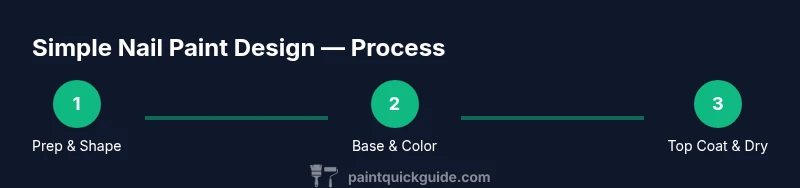
The finishing stage defines how long your simple nail paint design lasts. Apply base coat first, then thin color coats, and finally a top coat. If you notice streaks, apply a light, even layer after the pattern has dried to even out the surface. Let nails dry fully between layers—rushing drying creates smudges and smears. Use a fan or a quick-dry drop to accelerate the process if you’re in a hurry. To preserve longevity, avoid hot water for the first 12–24 hours and cap the free edges by gently brushing along the edge of each nail. Proper cleanup and sealing dramatically reduce chipping.
Common mistakes and how to fix them
Even experienced DIYers encounter issues with simple nail paint designs. Common mistakes include thick coats that peel, edges that chip quickly, and unintended smudges during drying. Fixes are straightforward: thin coats in multiple passes prevent ridges, precise cleanup with a small brush or cotton swab restores clean edges, and a final top coat locks in color and hides minor flaws. If a pattern looks imperfect, consider a quick re-coat on the affected nails after the base dries. Always give extra time for drying when using new formulas or combining finishes. PaintQuickGuide emphasizes patience and proper technique as the core drivers of professional-looking results.
Maintenance and removal tips for longevity
To preserve your simple nail paint design, avoid aggressive acetone removers daily. Instead, use a gentle remover and moisturize nails after removal to prevent dryness. When reapplying color, gently buff the surface to keep adhesion strong. To extend life, reapply a thin top coat every 2–3 days, and consider wearing gloves for tasks that involve water exposure or cleaning. For color changes, switch to shades that complement your wardrobe and mood, rather than chasing every trend. A well-maintained manicure reduces the need for frequent touch-ups and keeps nails healthy.
Authority sources
For further reading and verification, consult trusted sources on nail health and care, including:
- https://www.osha.gov
- https://www.aad.org
- https://www.mayoclinic.org
Tools & Materials
- Base coat(Protects nails and improves color adhesion)
- Top coat(Seal color and extend wear)
- Nail polishes (2–3 colors)(Choose harmonious shades)
- Nail file(Shape nails to desired edge)
- Cuticle pusher(Gently push back cuticles)
- Dotting tool or bobby pin(Create dots and small accents)
- Striping tape or thin brush(For precise stripes)
- Nail polish remover(For cleanups and corrections)
- Cotton pads(Cleaning and prep)
- Cleanup brush or Q-tip(Edge tidying with acetone)
- Quick-dry drops/spray(Speeds drying between coats)
- LED lamp (optional)(Only for gel-based polishes)
Steps
Estimated time: 30-45 minutes
- 1
Prep nails
Shape nails with a file, gently push back cuticles, and wipe the surface clean. Removing oils from the nail plate improves longevity by allowing better adhesion for the base coat.
Tip: Take 3–5 minutes to ensure nails are dry and smooth before applying polish. - 2
Apply base coat
Brush a thin layer of base coat over each nail, covering the entire nail and edges. Allow 60–90 seconds to set before applying color to prevent staining and promote longevity.
Tip: Thin coats prevent bubbling; if needed, apply a second light coat after drying. - 3
Apply color (first coat)
Coat nails with a light, even layer of color. Start at the center and work outward, ensuring full coverage but avoiding flood lines near the cuticle.
Tip: Keep strokes short and steady; more coats yield richer color but longer drying times. - 4
Add accent pattern (dots or stripes)
Using a dotting tool or thin brush, create dots or stripes on one or more nails. Space evenly and let each line set before proceeding to avoid smudges.
Tip: If using tape, press firmly to prevent bleed; remove while polish is tacky but not fully dry. - 5
Apply finishing color layers
Apply a second color coat if needed for opacity, ensuring thin layers and adequate drying time between coats.
Tip: Avoid pooling at the edges by lifting the brush away from the nail edge. - 6
Seal with top coat
Finish with a transparent top coat that seals all edges and smooths the surface. Extend top coat slightly over the free edge to prevent chipping.
Tip: If you see small smudges, correct immediately with a cleanup brush before the top coat dries. - 7
Dry time and cleanup
Allow nails to air dry until the polish is tack-free, then set with a quick-dry spray or drops if desired. Clean the edges with a brush dipped in remover for a crisp finish.
Tip: Avoid touching anything until fully dry; even a 'dry to the touch' moment can lead to dents. - 8
Maintenance plan
Apply a light top coat every 2–3 days to extend wear. When removing, use a gentle remover and moisturize nails afterward to prevent dryness.
Tip: Keep nails hydrated; dry nails are more prone to cracking and peeling.
Your Questions Answered
What supplies do I need for a simple nail paint design?
A basic kit includes base coat, top coat, 2–3 colors, nail file, cleanup brush, remover, and optional tools like a dotting tool and striping tape. You can start with a small starter set and build from there.
You mainly need base and top coats, a few colors, and some simple tools like a dotting tool and tape.
How long does a simple nail paint design take?
Most straightforward designs take about 20 to 40 minutes, depending on drying times and whether you choose patterns like dots or stripes.
Usually twenty to forty minutes, depending on pattern complexity and drying time.
Can I reuse tools to save money?
Yes, sanitize reusable tools between uses. Tools like dotting tools and brushes can last a long time with proper cleaning.
Yes, as long as you clean and sanitize them properly.
What if my paint chips after drying?
For small chips, touch up with a light coat and reapply top coat. If major wear occurs, repaint and reseal.
Touch up and re-seal to fix chips.
Is this suitable for beginners with sensitive nails?
Yes. Use gentle removers and hydrating care. Avoid harsh products, and choose formulas labeled as gentle or non-acetone if needed.
Yes, with gentle removers and nail care.
Watch Video
Quick Summary
- Start with a clean, well-prepped nail.
- Apply thin coats and allow adequate drying time.
- Choose 2–3 harmonious colors for simplicity.
- Seal with top coat to maximize wear.
- Practice patterns on swatches to improve precision.