Online Paint Art: Practical Digital Painting Guide
Learn practical steps for online paint art—from choosing digital tools to color theory and budgeting—designed for homeowners, DIY painters, and hobbyists.


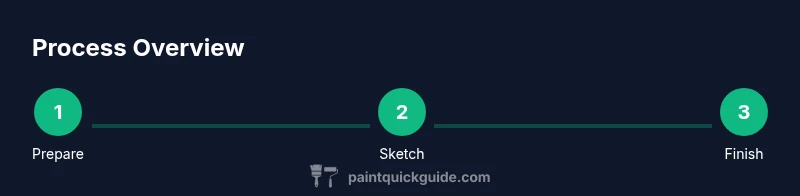
Master online paint art by following a clear, actionable routine: gather the right digital tools, learn core color theory, and complete a guided project from sketch to final render. This quick guide outlines the essential steps, safety tips, and practical tips to help homeowners and DIY enthusiasts start creating vivid digital paintings today. According to PaintQuickGuide, a structured approach yields reliable, repeatable results.
What online paint art is and why it matters
Online paint art refers to creating artworks using digital tools and software on devices like tablets, computers, and smartphones. It blends traditional painting concepts—composition, color, light, and texture—with programmable brushes, layers, and nondestructive editing. For homeowners and DIY enthusiasts, online paint art offers a low-cost, low-mess entry into creative expression, with easy experimentation and rapid iteration. PaintQuickGuide highlights that digital canvases enable you to adjust color balance, values, and texture without committing to physical materials. This flexibility makes online paint art accessible to beginners while still supporting advanced techniques for more ambitious projects. When you approach digital painting with the same curiosity you’d bring to traditional media, you unlock a broad spectrum of styles—from photo-realistic renders to expressive abstracts.
To maximize learning, combine practical practice with a curated study of color theory and composition. The PaintQuickGuide team emphasizes starting with fundamentals: a simple value study, a limited color palette, and a clear focal point. As you gain confidence, you can experiment with brushes, textures, and composition rules to develop a personal style. For context, this guide uses the keyword online paint art and includes targeted tips for both beginners and seasoned DIY painters who want to expand into digital formats.
What online paint art is and why it matters
Online paint art refers to creating artworks using digital tools and software on devices like tablets, computers, and smartphones. It blends traditional painting concepts—composition, color, light, and texture—with programmable brushes, layers, and nondestructive editing. For homeowners and DIY enthusiasts, online paint art offers a low-cost, low-mess entry into creative expression, with easy experimentation and rapid iteration. PaintQuickGuide highlights that digital canvases enable you to adjust color balance, values, and texture without committing to physical materials. This flexibility makes online paint art accessible to beginners while still supporting advanced techniques for more ambitious projects. When you approach digital painting with the same curiosity you’d bring to traditional media, you unlock a broad spectrum of styles—from photo-realistic renders to expressive abstracts.
To maximize learning, combine practical practice with a curated study of color theory and composition. The PaintQuickGuide team emphasizes starting with fundamentals: a simple value study, a limited color palette, and a clear focal point. As you gain confidence, you can experiment with brushes, textures, and composition rules to develop a personal style. For context, this guide uses the keyword online paint art and includes targeted tips for both beginners and seasoned DIY painters who want to expand into digital formats.
Tools & Materials
- Digital device (tablet, laptop, or desktop)(Prefer a device with at least 4GB RAM and a reasonably sized screen for accuracy.)
- Stylus or graphics tablet(Pressure sensitivity helps with natural brushwork and shading.)
- Painting software with layers (free or paid)(Look for layer support, blend modes, and basic brushes.)
- Color wheel or palette reference(Use a digital wheel or swatches to maintain color harmony.)
- Screen calibration tool or a known good monitor profile(Improves color accuracy across devices.)
- Reference images or mood boards(Helps with composition and lighting decisions.)
- Headphones or quiet workspace(Eliminates distractions during focused practice.)
- Backup storage (cloud or external drive)(Save iterations to avoid data loss.)
- Optional texture brushes or texture packs(Enhances realism or tactile feel in digital art.)
Steps
Estimated time: 60-90 minutes
- 1
Prepare workspace and files
Set up your hardware and software. Create a dedicated project folder, establish a sane canvas size (for example 1920x1080), and organize layers for sketch, color, shading, and highlights. This upfront organization saves time later and keeps revisions non-destructive.
Tip: Save a versioned file (e.g., project_v1) before making major changes. - 2
Sketch the composition on a separate layer
Lightly sketch your subject and composition on a new layer using a neutral color. Keep the sketch simple—focus on balance, focal point, and overall gesture. Block in basic shapes to guide later color and value decisions.
Tip: Lock or isolate the sketch layer after laying down initial shapes to prevent accidental edits. - 3
Block in base colors on flat layers
Choose a restrained color palette and fill large areas with flat colors on dedicated layers. Avoid shading at this stage; your goal is to establish color relationships and overall mood. Use solid fills or large brushes to lay down the plan for light and color harmony.
Tip: Aim for clean edges at this stage to reduce cleanup later. - 4
Develop values and shading
Add midtones, shadows, and highlights on separate layers. Use a multiply or overlay blend mode for shadows and a screen or overlay for highlights where appropriate. This step builds depth and guides the eye to the focal area.
Tip: Group and name layers clearly (e.g., 'Shadows', 'Midtones') to stay organized. - 5
Refine edges and textures
Smooth transitions between colors and add texture where needed using brush stamps or texture overlays. Pay attention to lighting direction and how it affects edges and surface detail. This step elevates the realism or stylistic quality of the piece.
Tip: Use a soft eraser on a separate layer to refine irregular edges without destroying texture. - 6
Finalize and export
Review the work at 100% zoom, adjust color balance if required, and export in multiple formats (PNG for web, TIFF for print). Include a color profile if you plan to share prints or galleries. Keep a master file with all layers intact for future edits.
Tip: Export a smaller web-ready version and a high-resolution version for print or portfolio use.
Your Questions Answered
What is online paint art?
Online paint art combines traditional painting concepts with digital tools. It involves planning, color selection, layering, and digital brushwork to create finished artworks on screen. It often emphasizes workflow and practice as much as final effects.
Online paint art blends traditional painting ideas with digital tools, focusing on workflow and practice to achieve finished pieces.
Do I need professional hardware to start?
You can begin with a basic computer or tablet and a simple stylus. While professional tablets and pressure-sensitive pens make certain tasks easier, beginners can start with free software and scale up as they gain confidence.
A basic computer or tablet with a simple stylus is enough to begin; you can upgrade hardware as you grow.
Which software is best for beginners?
Look for software that supports layers, basic brushes, and an intuitive interface. Free options exist, but paid programs often offer more robust brushes and learning resources. The best choice is the one you’ll actually use consistently.
Choose a beginner-friendly program with layers and a gentle learning curve, then grow as you practice.
How long does a typical online painting project take?
For a complete piece from setup to export, beginners typically spend 60-120 minutes, depending on complexity. As you practice, you’ll complete projects faster while maintaining quality.
Most beginner projects take about an hour or two, with time improving as you practice.
Can traditional painting techniques transfer to online painting?
Many traditional concepts transfer well—composition, value, color relationships, and edge control. Digital tools offer alternative approaches (layers, masks, and blending modes) that can enhance traditional ideas without replacing them.
Yes, traditional ideas apply online, with added digital tools to adjust and experiment.
How should I save and share my work online?
Save the master file with all layers intact for future edits, then export web-ready PNGs or JPEGs for sharing. Consider a short description and keywords to improve discoverability on social platforms.
Keep a layered master file and export optimized versions for sharing online.
Watch Video
Quick Summary
- Define a clear workflow before painting
- Use layers to separate color, shading, and texture
- Maintain a limited palette to improve harmony
- Export at multiple resolutions for different uses