Custom Stencil Spray Paint: A Practical Guide
Learn how to use custom stencil spray paint for DIY home and auto projects with practical tips, materials lists, step-by-step techniques, and safety guidance from PaintQuickGuide.


With custom stencil spray paint, you can create sharp, repeatable designs on walls, furniture, or automotive panels. Start by selecting a durable stencil material, low-odor spray paints, and a clean surface. Secure the stencil, apply light mist coats from 6–12 inches away, and finish with a protective topcoat for durability. Practice on scrap first to calibrate spray pressure and spacing.
What is a Custom Stencil Spray Paint?
According to PaintQuickGuide, custom stencil spray paint enables you to transfer precise, repeatable designs onto a variety of surfaces using reusable stencils and controlled spray technique. The key is balancing stencil stability, paint flow, and distance to achieve clean edges without bleeding. When used correctly, this method lets DIYers produce professional-looking patterns on walls, furniture, cabinetry, and even automotive panels. The versatility of stencil shapes—from geometric motifs to handwritten typography—opens up endless design possibilities while keeping costs manageable.
Essential Materials and Workspace Setup
A successful stencil spray project starts with a clean, organized workspace and the right tools. Prepare a well-ventilated area, lay down drop cloths, and set up a sturdy work surface. Choose stencil sheets made of Mylar or polypropylene for durability and reusability, and secure them firmly with painter’s tape or low-tack adhesive spray. Use low-odor, water- or solvent-based spray paints formulated for stencil work to reduce bleed and overspray. PPE such as a respirator, goggles, and gloves is essential to protect your lungs and skin. A test surface, like corrugated cardboard or scrap wood, helps you dial in spray distance and pattern before you work on the final piece.
Choosing the Right Spray Paint and Stencil Materials
Not all sprays are created equal for stencil projects. Opt for paints designed for crisp edge definition and minimal bleed, preferably low-odor options for indoor use. Water-based sprays are forgiving and easy to clean, while solvent-based variants can produce deeper color and faster dry times in well-ventilated spaces. For stencils, choose reusable Mylar or polypropylene sheets with high edge definition. When possible, apply a light adhesive or stencil tape to prevent edges from lifting. Remember to test on a scrap surface to ensure your spray pattern remains even and consistent across repeats.
Surface Prep for Crisp, Durable Results
Surface prep is often overlooked but crucial for longevity and edge sharpness. Wipe down the surface to remove dust, sanding ridges, and oils. If you’re painting bare wood or metal, consider a compatible primer that promotes paint adhesion. Lightly sand glossy finishes to create a tooth for the paint to grab onto, then wipe away dust. A primer layer helps prevent staining from underlying materials and reduces color variation. Allow primer to dry fully before applying the stencil design, and maintain a dust-free environment to avoid micro-particles transferring to the stencil.
Step-by-Step Technique for Crisp Edges
This section covers the core technique in actionable steps, emphasizing consistent distance, light coats, and careful stencil handling. Start with a small test pattern to establish your spray distance (generally 6–12 inches) and your spray pressure. Apply several very light mist coats rather than a single heavy spray to minimize bleed and pooling. If using multiple colors or gradients, mask the edges with clean, sharp lines between passes. Reposition or rotate the stencil for repeated motifs, keeping the stencil flat and fully secured during each pass. Allow each coat to dry to the touch before applying the next one, then finish with a sealant after the final color has cured.
Common Problems and Fixes
Bleeding, edge fuzz, and stencil lift are the most common issues. Bleeding can be reduced by applying lighter coats and ensuring the stencil lies flat against the surface. Edge fuzz occurs when paint bleeds under the stencil; this can be mitigated by using a low tack adhesive or a small amount of painter’s tape along the edges and by setting the stencil firmly with your non-dominant hand. Stencil lift happens when air gets trapped under the stencil; keep the stencil stationary while spraying and avoid repositioning mid-stroke. If you notice bleed, pause, allow the paint to set, then touch up with a fine brush to re-establish crisp lines.
Design Ideas, Finishes, and Durability
The design possibilities with custom stencil spray paint range from geometric motifs to complex textures. Layer light colors over darker bases for dimensional effects, or use masking to create negative-space designs. Once your stencil work is complete and fully dried, you can apply a clear protective topcoat to improve durability and UV resistance, especially for pieces exposed to sunlight. Consider a satin or matte finish to preserve the stencil’s crisp lines and preserve the look of the underlying material. Regular maintenance includes gentle cleaning and keeping the surface out of direct, abrasive contact.
Safety, Ventilation, and Cleanup
Ventilation is non-negotiable with spray paints. Work in a well-ventilated area or outdoors, and use PPE to minimize inhalation exposure. Keep lids closed when not in use and store paints in a cool, dry place. Clean your stencils promptly after use with warm soap and water for water-based paints, or a suitable solvent for oil-based varieties. Dispose of rags and waste materials according to local regulations and wear gloves to prevent skin irritation. Proper cleanup extends stencil life and ensures consistency for future projects.
Maintenance, Longevity, and Next Projects
Stencils are durable when cared for properly. Clean them after each project; dry thoroughly before storing to prevent warping or staining. Mark and catalog your favorite stencil shapes for quick access on future projects, and store paints upright to prevent clumping and separation. Consider keeping a small sample palette of colors on hand for quick references when planning new designs. With careful storage and routine maintenance, your stencil collection will become a reliable resource for many upcoming projects.
Tools & Materials
- Mylar or polypropylene stencil sheets(Durable, reusable, and easy to clean.)
- Painter's tape / low-tack adhesive(Secures edges without tearing stencil.)
- Low-odor spray paints (water- or solvent-based)(Choose paints designed for stencil work; test compatibility with surface.)
- Respirator or protective mask(Indoor spraying requires good ventilation.)
- Safety goggles(Protect eyes from overspray.)
- Gloves (nitrile or latex)(Keep hands clean and paint-free.)
- Drop cloths or newsprint(Protect surrounding areas.)
- Test surface (scrap wood/cardboard)(Dial in distance and spray pattern.)
- Clear topcoat / sealant(Use for durability and UV protection.)
- Stencil adhesive or spray-on tack(Optional to prevent edge lift on busy patterns.)
- Soft brush or microfiber cloth(For light touch-ups and cleanup.)
Steps
Estimated time: 60-120 minutes
- 1
Prepare your workspace
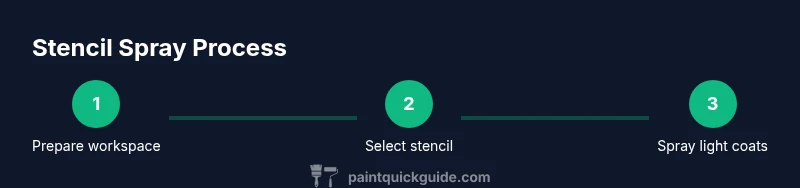
Clear the area, lay down drop cloths, and set your surface on a stable base. Ensure good ventilation and lighting so you can clearly see the edges and spray pattern. This foundational step reduces mistakes later and keeps your project tidy.
Tip: Use a handheld fan or window vent to improve airflow without creating strong gusts that disturb light mist coats. - 2
Choose stencil material and secure it
Select Mylar or polypropylene for durability and clean edges. Secure the stencil with painter’s tape or a light adhesive, ensuring it lies flat without warping. This prevents edge lifting during spraying.
Tip: Place small pieces of tape at corners first, then run a bead around the outer edge to lock it in place. - 3
Test spray distance and pattern
Shake the can well, prime the nozzle, and test on scrap material. Note the distance that yields a clean edge without bleeding. Record your distance and spray density for reference on the final piece.
Tip: Keep a log with your tested distances so you can replicate it on the actual project. - 4
Position stencil and mask edges
Position the stencil on the target area and secure again if needed. Check that the edges align with any existing design lines, and mask off adjacent areas to prevent overspray.
Tip: Avoid bending the stencil; a flat lay delivers the sharpest edges. - 5
Apply light mist coats
Spray with a light, even mist from your tested distance. Keep the coats thin and build color gradually to avoid pooling and bleed.
Tip: Apply 2-3 light coats rather than one heavy layer for crisper edges. - 6
Reposition or rotate for repeats
Carefully lift and reposition the stencil to repeat the pattern or create a design. Make sure to re-secure to prevent movement mid-coat.
Tip: Always re-detect the distance after repositioning; a small deviation can blur edges. - 7
Check edges and make touch-ups
Remove the stencil to inspect for bleed or rough edges. If needed, re-stencil and apply a light touch-up with a fine brush.
Tip: Work while the paint is slightly tacky for easier blending in touch-ups. - 8
Allow to dry and apply second color
Let the first color dry to the touch before applying a second color or overlay. Aligned colors help maintain the overall design integrity.
Tip: Use a separate clean stencil for each color if possible to maximize color fidelity. - 9
Seal the finished design
Once all colors are fully cured, apply a clear topcoat for protection. Choose a sheen that complements the project (matte, satin, or gloss).
Tip: Test the topcoat on a scrap piece to confirm finish and color compatibility.
Your Questions Answered
What stencil material is best for spray painting?
Durable Mylar or polypropylene stencils are preferred for spray painting because they resist tearing, lay flat, and can be reused multiple times with consistent results.
Mylar or polypropylene stencils are best for spray painting due to durability and reliability.
Can I spray stencil indoors?
Yes, with proper ventilation and low-odor paints. Always wear a respirator or mask and protect surrounding areas with drop cloths.
Indoor spraying is possible if you ventilate well and protect nearby surfaces.
How do I prevent paint from bleeding under the stencil?
Use light mist coats, secure edges firmly, and consider a stencil adhesive for extra edge stability. Allow each coat to set before applying the next.
Bleed can be reduced by light coats and securing edges well.
How long does spray paint take to dry and cure?
Dry times vary by paint type and temperature, but plan for touch-dry in minutes and full cure over several hours. Avoid handling until fully cured.
Spray paint dries to the touch in minutes, but full curing takes longer.
What finishes protect stencil designs best?
A clear topcoat suitable for the surface (matte, satin, or gloss) protects color and edges. Choose a UV-resistant option for outdoor use.
Seal with a clear topcoat that suits your surface and exposure.
Can I reuse the same stencil on different projects?
Yes, clean stencils promptly after use. Dry thoroughly and store flat to prevent warping, crimping, or paint buildup.
Stencils can be reused if cleaned and stored properly.
Watch Video
Quick Summary
- Plan your stencil layout before you spray.
- Build color with light coats to avoid bleed.
- Secure stencils firmly and test spray on scrap.
- Seal designs after complete drying for durability.
- Protect yourself with proper ventilation and PPE.