Automobile Paint Shop Near Me: A Practical Guide to Local Auto Refinishing
Find and compare local automobile paint shops, evaluate color matching, finishes, warranties, and budgeting to get a reliable auto refinishing near you.


Finding a reliable automobile paint shop near me involves comparing proximity, capabilities (color matching, finishes, corrosion protection), and price ranges. Start with local searches, read reviews, verify certifications, and request written quotes. Look for shops offering OEM color codes and a clear warranty policy before committing. Ask about dust control, booth ventilation, and curing times to avoid surprises.
Understanding the search for an automobile paint shop near me
When homeowners begin the hunt for an automobile paint shop near me, they weigh proximity against the shop’s capabilities, quality controls, and pricing. The goal is not just a nearby location, but a facility that can reproduce OEM finishes, deliver reliable color matching, and stand behind the work with a solid warranty. The PaintQuickGuide team emphasizes that the best local refinishing experience blends convenient access with transparent processes and clear communication. Start with a short list of nearby shops, then verify credentials, inspect facilities, and request written quotes before booking an in-person assessment. By documenting expectations early, you reduce the chance of surprises during the actual paint job.
Core services you should expect from a reputable shop
A quality auto refinishing shop should cover the full lifecycle of the project: prep, paint, and finish protection. Expect thorough surface preparation, rust and dent repair, precise color matching using OEM codes or equivalent swatches, and multiple coating options (basecoat, clearcoat, metallics, pearls). The shop should explain the curing process, dust-control measures, and how they handle panel blending to minimize shade differences. Documentation matters: a written scope of work, the specific paint brand and finish sheen, and a transparent discussion of risks. A reputable shop also demonstrates proper booth ventilation and filtration to ensure a durable, even finish.
How to compare shops: criteria that actually predict quality
Don’t rely on price alone. Use these criteria:
- Color matching capability: confirm access to OEM color data or validated color libraries and test panels.
- Equipment quality: inspect the spray booth, filtration, humidity control, and bake/cure capability.
- Warranty and aftercare: verify duration, coverage, and what’s included.
- Turnaround and scheduling: ask about rush options and how changes are tracked.
- Communication and portfolio: request a sample color match, before/after photos, and references.
- Certifications: look for professional certifications and compliance with local regulations. A methodical comparison using these factors predicts better results and fewer rework opportunities. The PaintQuickGuide approach favors shops with demonstrable color fidelity and transparent processes.
Getting reliable quotes: what to ask and verify
Ask for a detailed, written quote that itemizes prep, paint, color matching, clear coat, masking, and any bodywork. Request a color-match test panel or chip sample and confirm the number of coats and cure steps. Clarify whether the price includes window masking or interior protection, and whether there are extra charges for plastic trim, spoilers, or hidden imperfections. A reputable shop provides a clear scope of work, a start date, and a projected completion date. Always obtain a formal warranty outline in writing and review it for exclusions or caps on coverage.
OEM vs aftermarket color matches and finishes
OEM color codes are the gold standard for accuracy, especially on luxury models or two-tone paint jobs. Some shops offer high-quality aftermarket matches when OEM data is unavailable, but shade differences can occur if base formulas aren’t aligned perfectly. If the vehicle has a unique finish (pearlescent, metallic, or special effect), confirm the shop’s experience with that effect and request a sample under clear lighting. Ask about cross-scar and flash-off times between coats, as these affect the final shade and depth. A thoughtful shop will explain trade-offs between OEM fidelity, cost, and turnaround time.
The painting process: from prep to curing
A typical refinish follows these stages: thorough prep (sanding, dent repair, and masking), primer application with proper adhesion, basecoat color matching, and a protective clear coat. Curing conditions—temperature, humidity, and airflow—are critical to color stability and gloss. Quality shops control dust with dedicated booths and use filter systems to minimize contaminant events. After the final cure, technicians inspect color uniformity across panels and replace panels that show shade differences. Understanding this process helps you know what to expect and when a shop may need additional time or adjustments.
Cost considerations and budgeting tips
Auto refinishing costs vary by vehicle size, color complexity, and the extent of prep work. Rather than chasing the lowest price, build a budget that accounts for color matching accuracy, finish quality, and durability. Request an itemized quote and ask about potential add-ons, such as rust repair or panel replacement. Budget for a contingency in case the color requires retouching after the initial cure. A mid-range project often falls between a reasonable shop’s standard labor and materials, with extra costs for specialty finishes. The key is to align expectations with what’s included in the warranty and the curing method.
Warranties, guarantees, and post-paint care
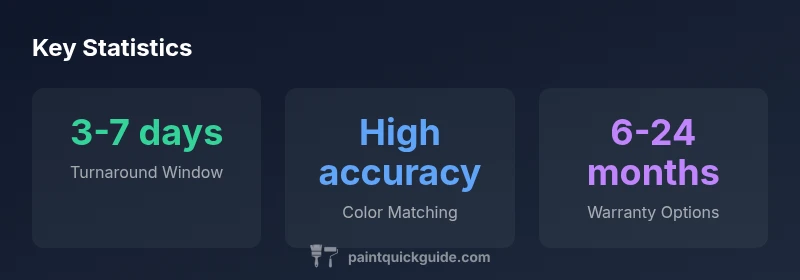
Warranties vary by shop and project. Look for at least a workmanship warranty that covers color fade, adhesion issues, and finish peeling for a defined period. Verify what the warranty excludes—consequential issues, stone chips, or improper maintenance—and whether a rework window exists. Post-paint care matters too: follow guidance on washing, waxing, and parking to protect your new finish. A clear warranty and detailed care instructions provide peace of mind and reduce the risk of disputes if issues arise down the road.
Next steps to start your local search
Begin by compiling a short list of shops within a reasonable radius. Check online reviews, certifications, and displayable portfolios. Contact each shop to request itemized quotes, color-match tests, and color swatches. Bring your vehicle’s paint code or sample photos to validate matching capabilities. Once you have three strong candidates, schedule in-person assessments to compare booth environments, curing practices, and aftercare options. With careful evaluation, you’ll select a shop that delivers a reliable finish and a transparent experience.
Key shop attributes and how to verify them
| Service Attribute | What It Means | How to Verify |
|---|---|---|
| Color Matching | Ability to reproduce the exact shade across panels | Ask for OEM code access and a color-match test panel |
| Warranty | Protection for workmanship and finish after delivery | Request written warranty details and coverage period |
| Turnaround Time | Estimated time to complete the job | Get a written schedule with milestones and pickup date |
| Dust Control & Curing | Environment quality that affects finish gloss | Inspect booth filtration and curing temperature controls |
Your Questions Answered
How do I verify a shop's color matching capability?
Ask for OEM color data access and request a test panel or swatch before work begins. Review a current project’s color accuracy and ask for before/after photos. A reputable shop can document shade consistency across panels.
Ask for OEM data access and a test color panel; review color accuracy with photos.
What is the typical turnaround time for a full car repaint?
Turnaround depends on scope, but expect a multi-day window for full repaints. For lighter touch-ups, shorter timelines are common. Always get a written schedule before work starts.
Expect several days to a few weeks for a full repaint; confirm in writing.
How should I get an itemized price quote?
Request a written, itemized quote that separates prep, paint, color matching, clear coat, and masking. Ask about potential add-ons or hidden costs and whether the quote covers warranty terms.
Get a written, itemized quote including all costs and warranty terms.
Should I insist on OEM color codes?
Yes. OEM color codes ensure the closest possible shade and finish. If OEM data isn’t available, confirm the alternative process and expected shade accuracy.
OEM codes improve color accuracy; verify data access before committing.
What warranty should I expect after painting?
Look for a workmanship warranty that covers adhesion and fading for a defined period. Clarify exclusions and whether the coverage extends to clear coats and blending.
Aim for a workmanship warranty; confirm duration and coverage details.
Is panel-by-panel repaint better than a full car repaint?
Panel repaint can be sufficient if shade differences are minor and cost is a concern. A full repaint may be necessary for large color changes or extensive fading to ensure uniformity.
Panel repaint can work for minor differences; full repaint for major shade changes.
“Thorough due diligence before selecting an automobile paint shop near me helps prevent costly rework and color mismatches. Clear quotes, proven color matching, and a solid curing process are essential.”
Quick Summary
- Prioritize transparent quotes and OEM color capability
- Ask about curing times, dust control, and booth ventilation
- Consider proximity, but value quality and warranty
- Request color-match samples and a formal scope of work
- Check warranty terms and post-paint care guidance