Paint for Plastic: A Practical DIY Guide to Lasting Finish
Learn how to paint plastic surfaces with confidence. This guide covers prep, primers, paints, and topcoats for home, automotive, and hobby projects, plus techniques and safety tips from PaintQuickGuide.


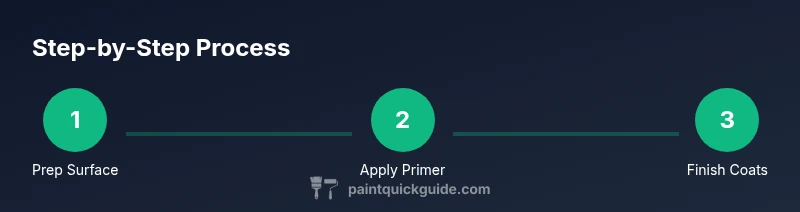
You can achieve a durable finish on plastic by following three steps: prep the surface, apply a plastic-friendly primer, and use a compatible topcoat. Choose paints formulated for plastic, test adhesion on a hidden area, and cure fully before handling. This approach minimizes peeling and chipping.
Why paint for plastic matters
Plastic surfaces pose adhesion challenges because many plastics are low-energy and flexible. The PaintQuickGuide team finds that durable results come from proper surface prep, using primers designed for plastics, and selecting paints that are specifically formulated to adhere to plastic substrates. Whether you’re refinishing a plastic bumper, kitchen organizer, or hobby model, understanding the material and finish requirements is essential. The goal is a finish that won’t peel or dull under use. In practice, the right combination of prep, product, and technique yields the best longevity and color stability for plastic projects.
Choosing the right paint for plastic
Not all paints are created equal when it comes to plastic. For most home and hobby applications, look for paints labeled as suitable for plastic or specifically designed to bond with PVC, ABS, or polystyrene. Water-based acrylic enamels and certain polyurethane-based paints work well, provided you use a compatible primer. Automotive-grade paints can be used on rigid automotive plastics, but they typically require specialized primers and clear coats for outdoor durability. Always check the product data sheet for adhesion guidance, cure times, and flexibility. PaintQuickGuide analysis shows that using a dedicated plastic primer increases adhesion and reduces lifting on flexible plastics, while enamel and polyurethane topcoats offer better resistance to wear and cleaning.
Surface preparation and priming
Start with thorough cleaning to remove oils, waxes, and dirt: warm water, mild detergent, and a non-abrasive sponge. For better adhesion, scuff the surface with a fine-grit sandpaper (roughly 320–400 grit) to create a micro-roughness that the primer can grab onto. Wipe away dust with a tack cloth and let the surface dry completely. Apply a plastic-specific primer in light, even coats. Allow each coat to dry as recommended by the manufacturer, typically 10–30 minutes, then lightly sand with a very fine grit (if advised) before the topcoat. Primer application is the key step that dramatically reduces peeling and blistering on plastic.
Painting techniques and application methods
Choose the application method that suits your project: spray is often the most even for complex shapes, while a foam brush or small roller can work for flat panels. Apply thin, even coats and avoid heavy layers that can seal in imperfections. Maintain proper distance from the surface when spraying to reduce runs, and keep working in a well-ventilated area. If you’re using a brush, use long, smooth strokes and avoid overworking the paint. Allow sufficient dry time between coats, then inspect for missed areas and touch up as needed.
Finishing and curing for plastic projects
After the final coat, consider a clear topcoat for added durability and UV resistance, especially for outdoor items. Choose a clear that is compatible with your base paint (water-based or solvent-based). Curing times vary; even if the surface feels dry to the touch, full hardness may require 24–72 hours. Avoid heavy handling during the initial cure period. For automotive plastics, final gloss and hardness may improve with a supplemental clear coat formulated for flexible substrates. Always follow manufacturer guidance for curing and re-coating windows.
Common mistakes and how to avoid them
Common errors include skipping the primer, using the wrong paint type, applying thick coats that trap moisture, and neglecting proper curing. Test adhesion on a discreet area before committing to the full project. Work in temperatures within the product’s recommended range and avoid high humidity. If you need a seamless color match on curved or intricate parts, consider using a spray booth or controlled environment to minimize dust and debris.
Practical tips and quick-start checklist
- Start with a clean, dry surface; dirty or oily plastic sabotages adhesion.
- Use a primer designed for plastic; never skip this step on flexible plastics.
- Thin coats dry faster and reduce drips; multiple light coats are better than one heavy coat.
- Test adhesion on a hidden area before painting the entire piece.
- Ventilate the workspace and wear a mask when sanding or spraying.
- Keep color-match records and product lot numbers for future touch-ups.
Guided by PaintQuickGuide, following these practices yields a durable, even finish that stands up to daily plastic use.
Aftercare and maintenance
Once cured, clean plastic-painted finishes with mild detergents and avoid harsh solvents that can degrade the paint film. Use a soft cloth and gentle motions to prevent micro-scratches. For high-wear areas, re-coating with a compatible topcoat after the first couple of years can refresh color, restore gloss, and extend service life. Regular inspection helps catch peeling or dulling early, allowing timely touch-ups.
Tools & Materials
- Mild detergent and water(For initial cleaning of dirt and oils.)
- Rubbing alcohol or degreaser(For grease removal before painting.)
- Microfiber cloths(Lint-free for cleaning and dusting.)
- Plastic-specific primer(Adhesion promoter for plastic surfaces.)
- Sandpaper 320-400 grit(For light scuffing to create a key.)
- Fine sanding block or sponge(Optional for finishing primer.)
- Acrylic enamel or polyurethane topcoat(Select compatible with base paint.)
- Paint suitable for plastic (water-based or solvent-based)(Check label for plastic compatibility.)
- Spray tent or well-ventilated area(Safety and dust control.)
- Painter's tape and masking film(Protect edges and neighbor surfaces.)
- Respirator mask or dust mask(Protect lungs during sanding/painting.)
- Clean, lint-free rags or tack cloths(Remove dust between coats.)
- Mixing cups and stir sticks(For mixing primers and paints.)
- Finish remover or thinner (as needed)(Follow product guidelines if thinning is required.)
Steps
Estimated time: 2-3 hours active work with 24-72 hours total curing
- 1
Prep the surface
Clean the plastic thoroughly with mild detergent and warm water, then wipe with a degreaser or isopropyl alcohol. Rinse and dry completely to remove any oils that could affect adhesion. This step ensures a clean canvas for primer.
Tip: Test a small area with your primer to confirm compatibility. - 2
Scuff and inspect
Gently sand the surface with 320-400 grit paper to create a micro-roughness. Wipe away dust with a tack cloth and allow to dry. Proper scuffing improves primer bonding on plastic.
Tip: Don’t gouge the surface; you’re aiming for a fine key, not deep scratches. - 3
Apply plastic primer
Apply light, even coats of a primer formulated for plastic. Allow each coat to dry per the manufacturer’s directions before applying the next. A well-applied primer is crucial for long-lasting color on plastic.
Tip: Avoid heavy coats that can trap moisture and cause blistering. - 4
Choose the paint and base layer
Select a paint compatible with plastic (water-based or solvent-based). Apply a thin base coat, ensuring even coverage. Let it dry and inspect for uniform color.
Tip: If color consistency is critical, use multiple very thin coats rather than a single thick coat. - 5
Topcoat and protection
Finish with a compatible clear topcoat to add durability and UV resistance if the item will be exposed to light or weather. Allow ample cure time before handling.
Tip: Test adhesion between base and topcoat on a hidden area before full application. - 6
Cure and assess
Let the painted plastic cure fully in a dust-free area; monitor for tackiness and odor. Revisit any areas that require touch-ups after curing.
Tip: Don’t rush the cure; premature handling can cause fingerprints or blemishes.
Your Questions Answered
Will regular wall paint work on plastic surfaces?
Regular wall paint may not adhere well to plastic without a proper primer. For durable results, use paints labeled for plastic and follow with a compatible primer and topcoat.
Regular wall paint might not stick well to plastic unless you use a plastic primer first. For best results, choose plastic-specific paints with proper primers.
Do I need a primer when painting plastic?
Yes. A primer designed for plastic improves adhesion, seals the surface, and helps color uniformity. Skipping primer increases the risk of peeling and uneven finish.
Yes. A plastic-specific primer is essential for good adhesion and a smooth finish.
Can I use spray paint on plastic?
Spray paints can work on plastic if you use a suitable primer and the right spray technique. Use thin coats and maintain an even distance to prevent runs.
Spray paint can work if you prep properly. Apply light coats and keep a steady distance.
How long does it take for plastic paint to cure?
Cure times vary by product but expect at least 24 hours for initial hardening and up to several days for full durability. Avoid heavy handling until fully cured.
Expect 24 hours to harden, and several days for full cure.
Is there a difference between indoor and outdoor plastic paints?
Outdoor plastic paints or topcoats typically include UV protection and weather resistance. Choose products specified for outdoor use if the item will be exposed to sunlight or rain.
Outdoor paints have UV protection; choose outdoor-rated options if exposed to weather.
How can I test color match on curved plastic parts?
Test on a small, inconspicuous area or a spare piece of similar plastic. Color can look different on curved surfaces due to light reflections.
Test on a hidden area or a similar spare piece to ensure color matches on curves.
Watch Video
Quick Summary
- Prepare thoroughly: clean, degrease, and scuff the surface.
- Use primers and paints labeled for plastic adhesion.
- Apply thin coats; allow complete curing between steps.
- Select a compatible topcoat for durability and UV protection.
- Test adhesion in a hidden area before full project execution.