How to Stop Paint Splatter from Roller
Learn proven techniques to stop paint splatter from roller with prep, proper tools, and controlled applying methods. Includes step-by-step actions, safety tips, and cleanup guidance for clean, professional-looking results.


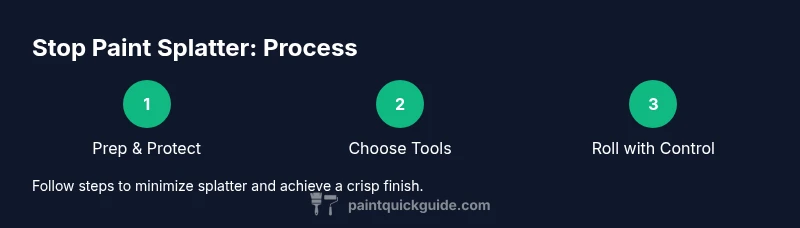
You will learn practical, step-by-step methods to stop paint splatter from a roller by preparing the workspace, selecting suitable tools, and applying paint with controlled techniques. The guide covers planning, protective barriers, proper roller loading, and mid-session cleanup to keep floors and furniture paint-free.
Why Stopping Paint Splatter Matters
Paint splatter from a roller can ruin floors, furniture, and trim and wastes time spent cleaning up. A controlled approach saves you material costs, improves finish quality, and reduces frustration during a home paint project. According to PaintQuickGuide, investing a little time in prep and the right tools dramatically reduces drips and splotches, especially on new drywall or delicate surfaces. The goal is clean edges, even coverage, and a calm workflow that minimizes surprise splatter as you work around corners, windows, and doors.
Prep Workspace and Protective Barriers
A solid prep plan pays off when you start rolling. Begin by laying down multiple layers of drop cloths or plastic sheeting to cover floors and any nearby furniture. Use painter's tape to seal off edges where splatter could creep onto walls or fixtures. Keep rags, a wet-dry vacuum, and a bucket of water or solvent within arm's reach for quick cleanup. Good ventilation helps paint dry evenly and reduces airborne splatter from sanding or rolling. PaintQuickGuide emphasizes prepping early to avoid last-minute scrambles and to protect valuable surfaces from accidental contact.
Tools and Materials: The Right Rollers, Shields, and Trays
Choose a roller sleeve with an appropriate nap length for the surface texture. A shorter nap typically reduces splatter on smooth surfaces, while a longer nap suits rough walls but may shed more paint. Add a roller shield or edger guard to limit paint spray beyond the intended area. A sturdy paint tray with a liner keeps excess paint under control. Don’t forget masking film for corners and a quality tray liner to prevent paint buildup that can fling as you roll. Budget a little extra for a compatible extension pole to reach high areas without a ladder climb. PaintQuickGuide recommends testing a small patch first to gauge splatter risk.
Tape Edges, Cut Lines, and Drop Cloth Placement
Successful splatter control begins with precise edge work. Apply painter's tape along trim and window frames to prevent paint from glazing onto adjacent surfaces. Place drop cloths in a manner that forms a layered shield: a larger underlay, followed by smaller protecting sheets around the most vulnerable zones. If you anticipate splash near doors, angle the cloth inward to catch drips and reduce tracking across other rooms. Regularly check cloth integrity and replace any saturated sections to maintain protection.
How to Load a Roller to Minimize Splatters
Load the roller evenly by rolling it along the tray’s groove rather than dipping repeatedly. Avoid overloading the roller with paint, which creates heavier drips. Roll in a back-and-forth motion with light to moderate pressure, keeping the roller perpendicular to the wall for consistent coverage. Re-dip only when the roller shows visible dry patches, and dab off excess paint on the tray lip. A well-loaded roller skips heavy splatter and produces smoother, uniform coats. PaintQuickGuide notes that a consistent loading pattern dramatically reduces splash during edge transitions.
Protective Barriers: Shields, Edgers, and Poles
Investing in protective barriers pays dividends for projects with high splash risk. Roller shields reduce airborne splatter when rolling near ceilings, moldings, or adjacent walls. An edger guard helps maintain crisp lines along trim without overflows. Use extension poles to keep a comfortable stance, reducing overreach and sudden wrist flicks that throw paint. If working in tight spaces, a compact edger tool can prevent needless splatter while you paint corners and around cabinetry.
Mid-Project Cleanups: Catch, Contain, and Reapply
In the middle of a project, wipe drips immediately to prevent them from drying into stubborn marks. Keep rags handy to blot fresh drips and avoid dragging paint across clean surfaces. Reclaim and re-roll any areas that show uneven spots after a brief dry period, being careful not to disturb still-wet paint. If a spill happens on floors, wipe with a damp cloth and add a quick pass with a dry cloth to prevent streaking. PaintQuickGuide stresses proactive cleanup as an essential step toward a flawless finish.
Drying Times, Recoats, and Edge Checklists
Allow adequate drying time before applying a second coat to avoid lifting and smearing that can resemble splatter. Check edges after the first coat—for crisp lines, use tape or a fine brush to touch up near trim. If recoating on glossy surfaces, scuff lightly with a sanding pad to promote adhesion. Patience here reduces the likelihood of splatters on the second coat and yields a smoother overall appearance.
Common Mistakes and Troubleshooting
Common mistakes include overloading the roller, rushing through edges, and neglecting drop cloth protection. If you see excessive splatter, slow down, reset your technique, and adjust your loading amount. For very textured surfaces, consider a thicker nap roller with a shield to keep extra paint from flinging outward. If paint dries too quickly and creates streaks, increase ventilation and use a slower-drying paint option at the same sheens and finishes as the base coat.
Maintenance, Cleanup, and Storage to Prevent Future Splatter
After finishing, clean rollers and shields promptly to prevent dried paint buildup that could flake and cause future splatter in follow-up projects. Use water and soap for latex paints or the appropriate solvent for oil-based products, following the paint manufacturer’s instructions. Store tools with covers on nip points and recessed areas to minimize accidental drips when retrieving them later. This routine keeps tools ready for your next job and reduces time spent troubleshooting splatter in future rooms. The PaintQuickGuide team recommends documenting your setup for quicker setup next time.
Tools & Materials
- Drop cloths or plastic sheeting(Two to three layers preferred; cover adjoining areas)
- Painter's tape(For edges, trim lines, and masking)
- Roller sleeve with appropriate nap(1/4)
- Roller shield or edger guard(Useful near ceilings and trim)
- Paint tray with liner(Keep paint distribution even)
- Tray liner(Easier cleanup and avoid sticking to tray)
- Extension pole(Reach high areas without overreaching)
- Masking film or plastic for fixtures(Extra protection for fixtures)
- Rags, paper towels, and damp cloths(Immediate spill cleanup)
- Ventilation accessories (fans or open windows)(Improve drying and reduce fumes)
- Soap, water, and solvent (as per paint type)(Tool cleaning and solvent for cleanup)
- Sanding block or sponge for prep(Better adhesion for second coat)
Steps
Estimated time: 60-90 minutes
- 1
Prep workspace
Clear the room, lay out drop cloths, and tape edges. Position ventilation and gather cleaning supplies. This foundation minimizes later mess and sets the pace for a controlled application.
Tip: Pro tip: Do a quick test patch on a hidden wall to gauge splatter risk before full coverage. - 2
Choose the right tools
Select a roller with appropriate nap for the surface and attach an extension pole for reach. Add a shield for near edges and a liner in the tray to reduce paint buildup that can fling as you roll.
Tip: Pro tip: Keep an extra shield handy for doorways and windows where splatter is highest. - 3
Mask edges precisely
Apply painter's tape along trim and windows. Place masking film on fixtures that can’t be fully protected by cloths. Secure the cloths with tape so they don’t shift during movement.
Tip: Pro tip: Press tape firmly to avoid lifting edges while rolling. - 4
Load the roller correctly
Dip the roller and roll it on the tray to achieve even paint distribution. Remove excess by rolling on the tray lip, then test on a scrap wall to confirm a smooth glide.
Tip: Pro tip: If you see drips, back off pressure and re-examine your paint amount. - 5
Begin rolling with control
Start away from edges and roll toward them using steady, light pressure. Keep the roller nearly perpendicular to the wall and use short, overlapping strokes to limit splatter.
Tip: Pro tip: Avoid flicking the wrist; use smooth, continuous motion for better control. - 6
Protect high-splash areas
Move systematically around the room, shielding the ceiling and upper corners with shields and film where possible. Shift your stance to keep a clean, ergonomic posture.
Tip: Pro tip: If you must paint near a ceiling, work from the top down to control dried drips. - 7
Cap mid-project drips
Whenever you notice a fresh drip, wipe it immediately and rework the area with a light pass. Avoid letting paint pool and dry on surfaces.
Tip: Pro tip: Keep a damp rag ready for rapid blotting before the paint dries. - 8
Check edges and tidy up
Inspect edges for crisp lines; touch up with a small brush or edge tool if needed. Remove tape while paint is partially tacky to prevent peeling.
Tip: Pro tip: Peel tape away from the paint at a shallow angle to reduce edge tearing.
Your Questions Answered
Do I really need to cover entire floors or can I work with a smaller protection area?
It's best to cover the entire area you plan to work in, plus a buffer zone around doors and fixtures. This minimizes drips and keeps paint from tracking into other rooms. Start with larger cloths or plastic sheets and adjust as you proceed.
Cover the full work area to prevent drips from spreading. Use a buffer zone and adjust as you paint.
What kind of roller is best to prevent splatter?
A roller with an appropriate nap for the surface reduces splatter. For smooth walls, a shorter nap is ideal; for textured walls, a longer nap is necessary but manage paint amount to avoid fling.
Choose a roller nap suited to the surface and load it lightly to prevent splatter.
Can I reuse the same roller for multiple coats or colors without washing between?
If changing colors or coatings, wash the roller thoroughly between uses to prevent color bleeding and uneven texture. For quick touch-ups, wrap the roller in plastic to keep it fresh, but expect some paint transfer.
Wash between colors or coats to keep finish clean; wrap only if you must pause briefly.
Should I wear protective gear while painting to prevent skin contact with paint?
Yes. Wear gloves, safety glasses if splatters are at eye level, and a long-sleeve shirt to reduce skin exposure. This helps prevent skin irritation and stains.
Wear gloves and eye protection to avoid paint contact.
What’s the best way to clean up after finishing a painting job?
Rinse brushes and rollers promptly with the appropriate solvent or water, depending on paint type. Wipe down tools, remove tape while paint is tacky, and launder drop cloths if possible. Proper cleanup makes the next project faster.
Rinse tools, wipe surfaces, and store cleanly for next time.
Watch Video
Quick Summary
- Prepare thoroughly to reduce splatter risk
- Choose the right tools for your surface
- Load and roll with controlled, steady pressure
- Protect edges and floors with barriers
- Clean spills immediately to prevent staining
- Check edges and cure times before recoating