How to Paint Already Painted Walls: Step-by-Step Guide
Learn how to repaint walls that are already painted with confidence. This guide covers prep, priming, tool choices, and step-by-step techniques for a smooth finish


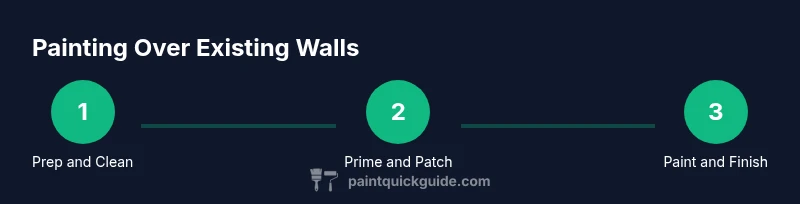
You can repaint walls that are already painted by following a simple prep–prime–paint sequence. Start with cleaning, removing dirt and peeling edges, lightly sanding glossy areas, and patching defects. Then apply a stain-blocking primer and two even coats of finish for durability and a smooth, uniform color. According to PaintQuickGuide, thorough surface prep is essential.
Why prep matters
Thorough preparation is the foundation of any successful interior painting project, especially when you're painting over existing walls. Even surfaces that look clean can harbor fine dust, oils, chalky residue, or previous paint layers that affect adhesion. Skipping prep often leads to peel, scuffs, or uneven color after a few months. PaintQuickGuide's approach emphasizes taking time at this stage because it reduces the likelihood of failure and saves time later on. In this section, we explain how to evaluate the wall, decide when to sand, and plan protection for floors, furniture, and trim. We'll cover common wall scenarios—matte vs. satin finishes, old glossy paints, and repaired patches—so you know what treatment each needs. By investing in proper prep steps, you set a durable foundation for the new color and finish you want. Remember, the goal is not to remove all previous paint; it’s to create a clean, receptive surface that accepts a fresh coat evenly. Achieving that requires attention to detail: inspect for dampness or damage, remove contaminants, shape surfaces, and ensure you have the right tools ready before you begin.
Surface prep for glossy walls
Glossy surfaces resist adhesion. If your walls have a high-sheen paint or a glossy glaze, you must dull the finish so new paint can grip. Lightly sand with 120–180 grit or use a scouring pad, then wipe away dust. Degrease oily spots with a mild cleaner and rinse with clean water. If you’re unsure, test adhesion by rubbing a small area with your fingernail; if it resists, you’re ready to sand. Always wear a mask when sanding to avoid inhaling dust, and protect nearby surfaces with tape and drop cloths. After prepping, wipe down with a damp cloth and let dry completely before priming.
Patch, sand, and clean: the foundation
Patches and repairs create a smooth canvas. Use lightweight spackle or joint compound to fill holes and gouges, then sand flush with the surrounding surface. For larger repairs, apply thin layers and allow each to dry fully before sanding again. Dust the wall thoroughly to ensure primer adheres evenly. Clean walls avoid trapping dirt under the new finish and prevent texture inconsistencies. If you notice stubborn stains, consider a pre-primer stain blocker to prevent bleed-through.
Primers, stain blockers, and sealing
Primers seal porous surfaces and improve paint adhesion, especially on patched areas or darker colors. Choose a bonding or stain-blocking primer for areas with water stains, smoke, or ink marks. Apply a thin, uniform coat and let it dry according to the manufacturer’s instructions. If you patched a lot, a second light coat can help even out the surface and reduce showing through the finish. Do not skip priming when changing color dramatically or when covering heavy stains.
Painting strategies: edges first, then large areas
Begin with precise edge work (cutting in) along ceilings, trim, and corners using a high-quality angled brush. Then fill the main areas with a roller, using long, even strokes in a W pattern to avoid roller marks. Maintain a consistent pace and a wet edge to prevent lap marks. If you’re applying a light color over a dark one, consider a second coat for uniform coverage. Keep paint from drying on the brush or roller by keeping a small amount in the tray and returning tools to the tray after each pass.
Finishing touches and cleanup
Inspect the walls under good lighting to catch any missed spots, and address them with a quick touch-up. Remove painter’s tape carefully while the finish is still slightly tacky to avoid peeling. Clean brushes and rollers with warm, soapy water, dry thoroughly, and store paints upright in a cool place. Ventilate the room to help odors dissipate and cure time. Document your process with photos for future touch-ups.
Authority sources
For safe, accurate painting guidance, refer to reputable sources. The EPA provides lead paint safety information for older homes. OSHA offers general safety practices for DIY work, and university extension programs provide practical, homeowner-focused painting tips.
Common mistakes to avoid
Don’t skip prep or primer, especially when painting over glossy or patched walls. Avoid using too-thick coats that trap air and cause bubbles. Don’t rush drying times between coats, or you’ll seal in imperfections. Ensure adequate ventilation and protect floors and furniture to prevent staining.
Tools & Materials
- Cleaner/degreaser(Mild dish soap with water; microfiber cloth)
- Sanding block (120–180 grit)(Used to dull glossy surfaces for better adhesion)
- Putty knife or scraper(For removing loose paint and applying patch compound)
- Spackle or lightweight filler(Smooths small holes and imperfections)
- Dust mask or respirator(Protects from dust particles during sanding)
- Painter’s tape(For clean edges along trim and ceilings)
- Drop cloths(Protects floors and furniture)
- Primer (stain-blocking bonding primer)(Ensures adhesion and blocks stains)
- Interior acrylic latex paint(Choose color and sheen appropriate for rooms)
- Roller frame and roller covers (3/8 inch nap)(For smooth to lightly-textured walls)
- Angled sash brush (2–2.5 inches)(Edges and corners)
- Paint tray and liners(For clean, quick loading of rollers)
- Ladder or step stool(Access higher areas safely)
- Mild cleaner and rags(For quick touch-ups and degreasing)
Steps
Estimated time: 4-8 hours total, plus drying time per coat
- 1
Inspect and protect
Assess walls for peeling paint, moisture, or damage. Test for lead if your home was built before 1978. Move furniture, cover floors with drop cloths, and remove outlet covers to protect fixtures.
Tip: Take photos before you begin to guide touch-ups later. - 2
Clean the walls
Wipe every surface with a mild cleaner to remove grease, dust, and soap residues. Rinse with clean water and let dry completely before proceeding.
Tip: Use a microfiber cloth for better dirt pickup. - 3
Lightly sand glossy areas
Gently scuff glossy finishes with 120–180 grit sandpaper or a scuff pad to improve adhesion. Wipe away dust with a damp cloth and allow to dry.
Tip: Wear a mask to avoid inhaling dust. - 4
Patch and smooth
Fill holes and gouges with lightweight spackle or filler. Sand flush once dry and wipe surfaces clean to reveal a smooth canvas.
Tip: Apply thin layers and let each dry fully for the best result. - 5
Prime and seal
Apply a bonding primer to patched areas and any stain-prone spots. Let it dry completely before moving on to color.
Tip: A second light coat can help even out patched zones. - 6
Cut in and roll
Begin with edges using an angled brush. Then roll large sections with a 3/8 inch nap roller, using even strokes and a wet edge.
Tip: Maintain consistent pressure to avoid brush marks or roller lines. - 7
Apply the coats
Apply the first coat evenly, check for thin spots, and let dry per can instructions. Lightly sand if necessary between coats for flat, uniform coverage.
Tip: Opt for two thin coats over one thick coat. - 8
Finish and clean up
Apply a second coat if needed, then remove tape and clean tools. Ventilate the room to help cure and reduce odors.
Tip: Document the process with photos for future maintenance.
Your Questions Answered
Do I need to sand a glossy wall before painting?
Yes. Lightly sanding glossy surfaces creates a rough texture that improves primer and paint adhesion. Use 120–180 grit, remove the dust, and then proceed with priming.
Yes. Lightly sand glossy surfaces to improve adhesion, then prime before repainting.
Can I skip priming if I use the same color?
Even if you're staying with the same color, priming helps adhesion and blocks any stains or previous surface issues from showing through.
Even with the same color, priming helps adhesion and prevents stains from showing through.
What sheen should I pick for interior walls?
Eggshell or satin finishes offer a good balance of durability and hiding power. Flat finishes hide flaws but can be harder to clean; choose based on room use and cleaning needs.
Eggshell or satin gives durability with ease of cleaning.
How long between coats should I wait?
Wait according to the paint can, typically several hours. Temperature and humidity affect drying times; ensure the coat is dry before applying the next layer.
Follow the paint can for drying times; wait until it's dry before applying the next coat.
Should I remove outlet covers before painting?
Yes. Removing outlets and switch plates makes edges cleaner; if removal isn't possible, tape edges well and cover with plastic.
Yes, remove covers when possible for clean edges.
What’s the best way to fix large patches?
Use multiple thin layers of lightweight filler, sanding between coats, to avoid creating ridges. Then prime over the patched area for uniform color.
Patch in thin layers and sand between coats, then prime.
Watch Video
Quick Summary
- Prep first to ensure adhesion and an even finish.
- Prime and patch, especially on patched or stained walls.
- Use two thin coats for best coverage and color depth.
- Cut in edges before rolling large areas for clean lines.
- Ventilate and clean up to finish safely.