How to Get Out Paint Stains: A Practical Guide
Discover proven methods to remove fresh and dried paint stains from fabric, carpet, walls, and wood. This practical guide covers cleaners, surfaces, and safer steps.


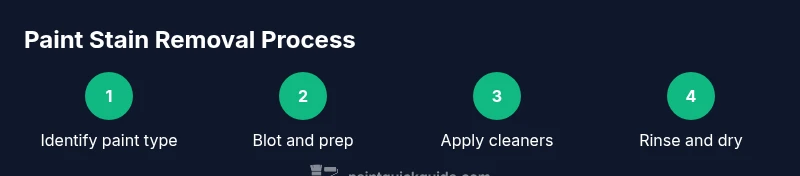
Act quickly to lift paint stains. Blot the spill with a clean cloth to remove excess paint, then test a mild cleaner on a hidden area. Use water-based cleaners for latex paint and mineral spirits for oil-based paint. Follow surface-appropriate steps for fabrics, carpets, walls, and hard surfaces, repeating as needed until the stain fades.
Why paint stains are tricky
Paint stains pose unique challenges because different paints (water-based vs oil-based) require different solvents, and substrates—from fabrics to walls—absorb and react differently. Water-based latex paints are generally easier to remove than oil-based enamels, but even latex can set if left to dry. Paint can form a stubborn film on porous materials, embedding color into fibers or grain. According to PaintQuickGuide, the best chances of removal increase the sooner you act and by choosing the right cleaner for the surface. Proper stain treatment also reduces the chance of color transfer to clothing or adjacent surfaces.
Knowing the surface you’re working on helps you tailor the approach. For fabrics, you’ll lean toward detergents and gentle agitation, while hard surfaces often tolerate stronger solvents or mechanical methods. Throughout this guide we’ll differentiate by surface and paint type so you can apply a safe, effective method right away.
Immediate actions after staining
The window for stain removal closes quickly as paint dries. Start by blotting the stain with a clean, dry cloth—do not rub, as rubbing can push pigment deeper. If you can, lift the paint from the outside edges inward to prevent spreading. Next, identify the paint type by checking the label or the solvent smell: water-based paints (latex or acrylic) respond to soap and water, while oil-based paints may need mineral spirits or paint thinner.
Ventilate the area well if you’ll use solvents, wear gloves, and keep children and pets away. Gather the tools and cleaners you’ll need so you don’t interrupt the process. Always test cleaners on an inconspicuous area to ensure they won’t damage the surface or remove the finish. Remember that PaintQuickGuide analyses show that starting with milder cleaners and a small test patch improves outcomes and reduces risk of damage.
Removing paint stains from fabrics and clothing
For fresh latex paint on fabric, place a clean cloth underneath to absorb pigment and blot with a damp cloth to lift as much as possible. Rinse under cold running water from the back of the stain to push paint out of the fibers. Apply a small amount of liquid laundry detergent or dish soap directly to the stain and gently rub with your fingers or a soft brush. Rinse, repeat, then launder as usual in the hottest water recommended on the care label. If the stain persists after washing, treat again with a stain remover or a diluted alcohol solution, then re-wash.
Oil-based paint on fabric is trickier. Work in a well-ventilated area and apply a small amount of mineral spirits to a clean cloth. Blot gently, moving in from the edges toward the center. Rinse with a clean sponge dampened with soapy water, then launder. Always test solvents on a hidden area first to avoid fabric damage. If the stain remains after multiple attempts, seek professional cleaning.
Cleaning paint stains on carpets and upholstery
Carpets and upholstery trap pigments more readily than hard surfaces. Start by blotting with paper towels to remove excess paint. If the paint is water-based, mix a few drops of mild dish soap with warm water and apply with a clean cloth or sponge, blotting rather than scrubbing. For oil-based paints, use a small amount of mineral spirits on a cloth, then blot and rinse with soapy water. After cleaning, rinse the area with clean water and blot dry, then vacuum once completely dry to restore texture.
Avoid over-wetting the carpet, which can lead to mold or fiber damage. If color remains after the first pass, repeat the treatment or consider a professional cleaning service for stubborn stains. PaintQuickGuide notes that repeating a gentle approach is often more effective than heavy scrubbing, which can fray fibers.
Removing paint stains on walls, wood, and hard surfaces
Walls painted with latex or acrylic paint respond to warm water and a mild detergent. Use a soft sponge, wipe gently, and rinse with clean water. For dried paints on walls, carefully score the edge of the film with a plastic scraper to lift without gouging the surface, then wipe with a damp cloth. On wood finishes or painted trim, test mineral spirits in an inconspicuous area, then apply sparingly with a cloth. For stubborn spots, a diluted citrus-based cleaner can help without dissolving varnish. Always dry the area after treatment to prevent new staining from absorbed moisture.
On metal or glass surfaces, alcohol-based cleaners can help without leaving residues. If the stain encompasses a large area or several surfaces, consider repainting or refinishing the affected zone to maintain a uniform appearance. The key is to work slowly, test first, and avoid harsh scrubbing that can damage the finish.
Stubborn stains, safety, and professional options
Some stains resist home remedies, especially if paint has dried for a long period or penetrated porous substrates. In such cases, you may need to repeat treatments or employ more advanced methods. For delicate fabrics, wall coverings, or antique finishes, consult a professional cleaner before attempting aggressive solvents that could strip finishes. If you must use solvents, ensure adequate ventilation, wear gloves, and follow all label directions. For large, persistent stains or structural materials (like plaster or drywall), repainting or professional remediation is often the most cost-effective long-term solution.
Prevention: how to avoid future stains
Preparation is the best defense. Use drop cloths, painter’s tape, and old clothing when painting. Work in well-ventilated areas and keep cleaners in clearly labeled containers. If a spill happens, act fast by blotting, collecting excess paint, and rinsing with appropriate cleaners. Store paints tightly closed and clean brushes promptly to prevent accidental drips. Regularly inspect painted surfaces to catch early staining and address it before it penetrates deeply. PaintQuickGuide recommends keeping a small kit of stain removers for quick response.
Tools & Materials
- Clean white cloths or towels(Lint-free and white; avoid colors that could bleed onto fabrics)
- Paper towels(For initial blotting and absorption)
- Mild dish soap(Dawn or equivalent; used with warm water)
- Liquid laundry detergent(Pre-treatment on fabrics; enter wash cycle later)
- White vinegar(Optional pretreatment for fresh stains; dilutes with water)
- Isopropyl rubbing alcohol(For stubborn water-based stains on fabrics; test first)
- Mineral spirits(Ventilated area; use with caution for oil-based paints)
- Spray bottle(Distribute cleaners evenly; helps control application)
- Plastic scraper(Gently lift dried paint without scratching surfaces)
- Soft-bristled brush(For fabrics and delicate surfaces; avoid harsh scrubbing)
- Gloves(Protect hands from solvents; use nitrile)
- Stain remover or pre-treatment(Optional; follow label directions and patch test)
- Bucket(Mix solutions and rinse tools; keeps workflow organized)
- Water(Essential for rinsing and diluting cleaners)
- Old toothbrush(Crevices and seams; gentle agitation)
Steps
Estimated time: Total time: 20-40 minutes
- 1
Blot the stain
Place a clean cloth under the stain and blot from the outside in to lift excess paint. Do not rub, as this can push pigment deeper. Use a fresh portion of cloth for each blot to avoid re-depositing paint.
Tip: Work quickly and keep the stain from spreading. - 2
Identify the paint type
Check the paint label if available or consider the solvent odor. Water-based paints respond to soap and water; oil-based paints may require mineral spirits. Correct identification prevents damage from using the wrong solvent.
Tip: If unsure, start with milder cleaners first. - 3
Gather the right cleaners
Collect mild dish soap, laundry detergent, white vinegar, rubbing alcohol, mineral spirits, and a plastic scraper. Having cleaners ready minimizes delays and improves control during treatment.
Tip: Label containers and keep solvents away from kids. - 4
Test cleaners on inconspicuous area
Choose an unseen spot to test cleaner reactions before applying to the stain. Look for color change, surface dulling, or finish damage. If any are observed, stop and adjust method.
Tip: Always patch test before full application. - 5
Treat fabrics with water-based cleaner
For fabric stains, mix warm water with a drop of dish soap and gently rub the stain with a soft brush or cloth. Rinse and repeat, then launder as directed by the care label.
Tip: Avoid hot water on fabrics to prevent setting the stain. - 6
Treat hard surfaces with appropriate cleaner
For walls or hard surfaces, wipe with soapy water or mineral spirits for oil-based paints. Use a plastic scraper to lift dried film carefully, then wipe clean with a damp cloth.
Tip: Don’t oversaturate walls; moisture can damage finishes. - 7
Rinse and blot dry
Rinse treated areas with clean water and blot dry with a fresh cloth. Repeat if necessary until no color transfers to the cloth.
Tip: Finish with a dry cloth to speed drying. - 8
Inspect and repeat if needed
If the stain remains, repeat steps with a different cleaner suited to the surface. Persistent stains may require multiple passes or a professional treatment.
Tip: Patience beats aggressive scrubbing. - 9
Dry and protect the surface
Once the stain is removed, allow the area to dry completely. Repaint or reseal if color transfer or finish damage remains evident.
Tip: Ventilate the area to accelerate drying.
Your Questions Answered
What is the best cleaner for water-based paint stains?
Water-based paints respond well to soap and warm water, followed by a gentle detergent. For stubborn spots, a stain remover or diluted alcohol can help, but always test first on an inconspicuous area.
Water-based paints usually lift with soap and warm water; test a small area first, then repeat as needed.
Can oil-based paint stains be removed from fabric?
Oil-based paints require stronger solvents like mineral spirits. Use in a well-ventilated area, blot rather than rub, and finish with a gentle wash. If the stain persists, consider professional cleaning.
Oil-based stains need a solvent like mineral spirits and careful blotting—then wash as usual.
Should I use heat to dry a stained garment?
No. Heat can set most paint stains, making them permanent. After treating, air-dry or use a hair dryer on cool setting until the fabric is dry to the touch.
Avoid heat until you’re sure the stain is gone to prevent setting it.
Can stain removers damage surfaces?
Some removers can strip finishes or discolor surfaces. Always test first and follow product directions. Use milder solvents on delicate surfaces and reserve stronger cleaners for sturdy areas.
Test first and follow directions to avoid damage.
What should I do if paint stain has dried for days?
Dried stains are tougher but can often be loosened with a plastic scraper and a solvent appropriate to the surface, followed by repeated cleaning. For stubborn cases, repainting may be the simplest fix.
Dried stains take patience—try gentle scraping and repeat cleaning, or repaint if needed.
Is it safe to remove paint stains on pets or children?
Keep pets and children away from solvents. Use non-toxic cleaners when possible and ensure good ventilation. If exposure occurs, rinse skin with water and seek medical advice if irritation persists.
Avoid exposing kids or pets to chemicals; choose milder cleaners when possible.
Watch Video
Quick Summary
- Act fast: blot, don’t rub.
- Identify paint type to choose the cleaner.
- Test cleaners on a hidden area first.
- Rinse and repeat for best results.
- Dry surfaces completely to prevent rebound staining.