Can You Spray Paint Plastic? A Practical Home Guide
Learn how to spray paint plastic safely and achieve durable, professional-looking results with step-by-step prep, primers, coatings, and finishing tips for home and auto projects.


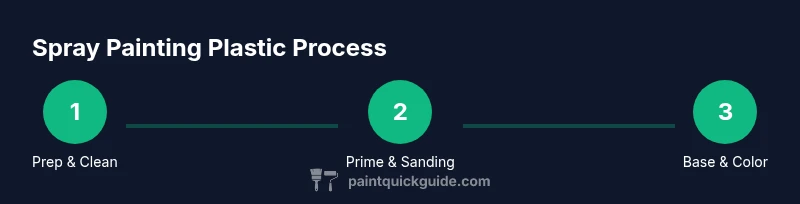
Yes, you can spray paint plastic, but success hinges on surface prep, using primers designed for plastic, and a spray system appropriate for the material. Start with a clean, dry surface, apply adhesion-promoting primer, and use thin, even coats in a well-ventilated area. Allow proper cure times for durability.
Can You Spray Paint Plastic? Why This Works
Spraying plastic is a practical way to refresh old parts or customize items without replacing them. The process works when you respect the material's chemistry: many plastics are inherently non-porous and resist adhesion. By choosing paints formulated for plastic and pairing them with adhesion promoters or primers, you can achieve a durable finish. According to PaintQuickGuide, the key is preparing the surface so the coating can grab on and cure properly. The PaintQuickGuide team found that proper prep, the right primer, and controlled spray technique greatly improve adhesion and finish quality. Readers curious about can you spray paint plastic will find that success depends on surface compatibility, product selection, and technique. This guide walks you through a step-by-step plan, including safety considerations for both home and auto projects.
Why Plastic Surfaces Are Tricky
Plastic is a broad family: polyethylene, polypropylene, vinyl, ABS, acrylics, and more each respond differently to coatings. Some plastics are inherently smooth and low-adhesion, while others have rougher surfaces or additives that affect curing. The goal is to create a surface the coating can bond to, not just sit on top. A common misstep is attempting a bright color over a compromised base coat without addressing adhesion first. By following industry best practices, you reduce peel, flaking, and hazy finishes. This section helps you anticipate the challenges before you buy materials or start spraying.
Surface Preparation: The Foundation of a Durable Finish
Preparation isn’t glamorous, but it’s where most projects succeed or fail. Begin with a thorough cleaning to remove oils or mold release agents. For many plastics, a mild degreaser followed by a clean rinse is enough. Light scuffing using a fine abrasive pad can improve mechanical bonding, but be gentle on thin plastics. Dust and residues must be removed with a tack cloth before painting. The goal is a uniform, clean surface that doesn’t trap dust or oils under the coating.
Selecting the Right Paint System for Plastic
Not all spray paints are created equal when it comes to plastics. Use a product labeled for plastic or one that includes an adhesion promoter compatible with the substrate. Plastic primers or bonding primers help coatings grip smoother surfaces, reducing wear and peel. If you’re refinishing automotive trim or dashboards, choose scale-appropriate systems that tolerate flex and UV exposure. Remember, the goal is a durable, chip-resistant finish that won’t crack with temperature changes or bending.
After-Prep: Primers, Adhesion Promoters, and Base Coats
Primers designed for plastic typically improve adhesion on non-porous surfaces. An adhesion promoter can be applied to plastics that are particularly slick, like high-density polyethylene (HDPE) or polypropylene (PP). After primer, a light base coat or plastic-specific base layer helps even out color and provides a consistent chroma. When applying base coats, keep the nozzle at an even distance and use long, smooth strokes to minimize streaks. If you’re color-matching a vehicle interior piece, test on a small area first.
Layering Color: The Art of Thin, Dry Coats
Patience is critical here. Apply several thin coats rather than one heavy layer to reduce runs and orange-peel texture. Each coat should dry to the touch before the next is applied, which minimizes solvent entrapment. Light, consistent passes at a steady tempo yield the best results. If you notice gloss variation or texture differences, lightly sand between coats with very fine grit sandpaper and re-clean the surface. A well-executed color step gives uniform hue and depth.
Finishing with Clear Coat: Protection and Shine
A clear coat adds durability and UV protection, especially for exterior plastics or items exposed to sunlight. Choose a clear formulated for plastic or a crosslinking urethane that resists yellowness and cracking. Apply in multiple ultra-thin coats, allowing each to cure as directed by the product label. The final finish should have even reflectivity without fogging, indicating good clarity and adhesion.
Troubleshooting Common Problems
If you experience peeling, inspect surface prep and primer compatibility. Peeling often points to contamination, insufficient curing, or an incompatible combination of primer and paint. Cracking can result from applying too thick a coat or substrate flex. Orange-peel texture indicates rapid solvent evaporation or insufficient agitation; adjust spray distance and speed. In some cases, light sanding followed by re-priming and re-spraying yields a smoother finish.
Safety, Ventilation, and Best Practices
Spray painting indoors requires good ventilation. Use a respirator suitable for organic vapors, work in a well-ventilated area, and avoid confined spaces. Protect surrounding items with drop cloths and masking tape. Read product labels for flash-off times and cure periods to avoid trapping solvents. This is essential for both home and auto projects, especially when painting plastics that may off-gas during curing.
Maintenance and Long-Term Care
Once cured, avoid harsh solvents for routine cleaning; use mild soap and water for most plastics. If the finish shows micro-scratches, you can carefully polish with a plastic-safe polish and re-apply a light coat if needed. For automotive parts, consider UV-protective waxes; for interior items, UV-rated coatings can extend color stability. Regular inspection helps you catch wear early and plan touch-ups.
Quick Start Plan and Shopping List
If you’re ready to begin, lay out a quick-start plan: prepare the workspace, gather materials, test spray on a scrap plastic piece, then proceed to full coverage with thin coats. A starter shopping list includes plastic primer, adhesion promoter, plastic-safe paint, a compatible clear coat, masking supplies, degreaser, tack cloth, sandpaper, and PPE. This approach minimizes wasted materials and ensures you’re prepared for both minor projects and larger refinishes.
Final Thoughts and Natural Evolution of Your Project
Spray painting plastic isn’t magic; it’s a controlled process that combines chemistry, technique, and patience. With the right preparation, products, and approach, you can achieve a durable, shop-quality finish on many plastic surfaces. The PaintQuickGuide team recommends doing a small test panel first, documenting results, and adjusting your technique based on the substrate you’re treating. Your end result will depend on detail work in prep and deliberate, repeatable spray passes.
Tools & Materials
- Respirator or organic vapor mask(NIOSH-rated with organic vapor cartridges)
- Safety goggles(Protect eyes from fine aerosols)
- Nitrile gloves(Chemical-resistant)
- Drop cloth or plastic sheeting(Protect surfaces)
- Masking tape and masking film(Cover edges and nearby areas)
- Mild degreaser or dish soap(First-clean surface to remove oils)
- Isopropyl alcohol(Final wipe to remove residues)
- Lint-free cloths(No fibers left on surface)
- Fine-grit sandpaper (e.g., 2000 grit)(Lightly scuff for adhesion)
- Tack cloth(Remove dust before painting)
- Adhesion promoter (plastic)(Optional for slick plastics)
- Plastic primer/bonding primer(Promotes adhesion to plastic)
- Plastic-safe spray paint(Check label for plastic compatibility)
- Color coats (as needed)(Choose UV-stable if outdoors)
- Clear coat for plastic(Protects finish and color)
- Paint thinner or reducer(Cleanup and adjust spray viscosity)
- Spray gun or aerosol cans(Even application)
- Ventilation fan or open-air space(Airflow to dilute fumes)
Steps
Estimated time: Estimated total time: 4-6 hours active painting, plus 24+ hours curing depending on product
- 1
Set up workspace and PPE
Choose a well-ventilated area and lay down drop cloths. Put on respirator, goggles, and gloves. The goal is to protect yourself while creating a consistent environment for the coating to cure.
Tip: Ventilation is critical—avoid enclosed spaces; ensure airflow moves across the work surface. - 2
Prep the surface and test paint
Wipe the plastic with a degreaser and rinse, then dry completely. Lightly test spray on a scrap piece to confirm color and spray pattern before committing to the project.
Tip: Test spray distance on scrap to prevent unexpected runs on the real piece. - 3
Mask areas you don’t want painted
Use masking tape and film to protect edges, fixtures, and adjacent surfaces. Ensure clean lines and no tape pulled against uncured paint later.
Tip: Leave a small border where you expect future touch-ups; it helps with crisp edges. - 4
Lightly scuff the surface
Gently scuff the plastic with fine-grit sandpaper to improve adhesion. Clean away dust with a tack cloth before priming.
Tip: Be gentle; heavy sanding can gouge thin plastics. - 5
Apply adhesion promoter (optional)
If the plastic is very slick (HDPE/PP), apply an adhesion promoter according to the product label. Allow it to dry before priming.
Tip: Follow the promoter’s flash-off time to avoid tackiness. - 6
Prime the plastic
Spray a thin, even coat of plastic primer and allow adequate cure time per the label. A well-sealed base improves color uniformity and adhesion.
Tip: Keep the can moving to avoid drips; two light coats are better than one heavy coat. - 7
Apply base color coats
Apply multiple light coats, crossing strokes to avoid streaks. Allow each coat to dry to the touch before applying the next.
Tip: Maintain consistent distance (about 6-12 inches) and speed for even coverage. - 8
Finish with color coats and even coverage
Continue thin passes until the desired color and depth are reached. Inspect for pinholes or uneven areas and re-spray as needed.
Tip: If you see particles, stop and wipe with a tack cloth before the next coat. - 9
Apply clear coat for protection
Spray a clear coat designed for plastic to seal the color and improve durability. Apply 2-3 light coats with adequate dry time between coats.
Tip: Clear coats can slightly alter hue; test on scrap first if color accuracy is critical. - 10
Cure and assess
Let the piece cure in a dust-free area for the recommended time. Check for adhesion, gloss uniformity, and any micro-scratches that may need buffing.
Tip: Avoid heavy use until fully cured to prevent micro-damage.
Your Questions Answered
Is plastic spray paint durable enough for outdoor use?
Durability outdoors depends on the paint system and substrate. Use UV-resistant colors and a plastic-specific topcoat to improve longevity, then avoid harsh substrates or abrasion-prone locations where possible.
Outdoor durability depends on the product and prep; choose UV-resistant plastic paints and a protective topcoat.
Do I need a primer for plastic surfaces?
A primer designed for plastic improves adhesion and color uniformity, especially on slick surfaces. If the plastic is rough or porous, a plastic primer is still beneficial.
Yes, primers help plastics grab the coating and provide a uniform base.
Can I spray paint plastic indoors?
Spray painting indoors is possible with good ventilation and a mask, but choose low-VOC products when available and avoid enclosed spaces. Always follow product labels for safety.
Indoor spraying is doable with ventilation and proper PPE.
How long should I wait between coats?
Wait times vary by product but typically range from 15 minutes to an hour between light coats. Don’t rush; pressure to complete can trap solvents and cause problems.
Let each coat dry according to the product label for best results.
What is the best finish for plastic furniture parts?
A clear, UV-resistant topcoat provides protection and maintains color. For interior parts, a satin or matte finish can reduce glare while keeping a modern look.
Clear, UV-resistant topcoat is your best protection.
Watch Video
Quick Summary
- Prep thoroughly for best adhesion.
- Use plastic-specific primers and paints.
- Apply thin coats for a smooth finish.
- Allow proper cure time before handling.
- Protect surrounding surfaces during spraying.