Can You Paint Over Stained Wood? A Practical Guide
Can you paint over stained wood? Learn proven prep steps, primers, finishes, and timing for durable results on interior and exterior projects, with practical guidance from PaintQuickGuide.


Can you paint over stained wood? Practical overview
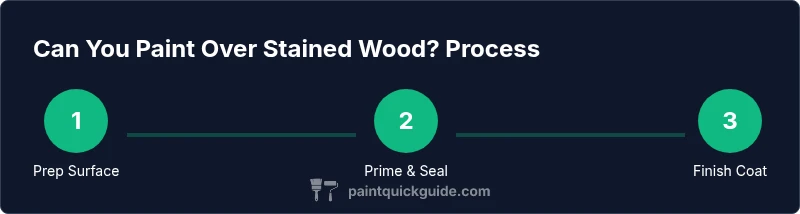
The short answer is yes, with the right prep and materials. In many homes and even car interiors, stained wood surfaces can be refreshed with new color without stripping the old finish. According to PaintQuickGuide, the most important steps are surface cleaning, light sanding, and applying a stain-blocking primer before painting. This helps you avoid bleed-through and ensures a uniform color. Before you begin, confirm the stain type (oil-based vs water-based), the wood species, and the existing finish. This information guides primer choice, adhesion strategy, and topcoat selection. If you’re painting interior trim, cabinets, or furniture, the approach stays similar, but you’ll tailor sanding grit, primer choice, and topcoat sheen to the specific project. Planning ahead reduces surprises and helps you meet or exceed durability expectations for years to come.
Assessing stain type and wood readiness
Not all stains behave the same when painted over. Oil-based stains tend to be more stubborn and can bleed through newer colors if not properly blocked, while water-based stains dry differently and may lift if the surface isn’t well prepared. The wood species also matters: soft woods (pine, poplar) soak up primer more quickly and can show grain more prominently after painting, while hardwoods (oak, maple) may require a slightly longer sanding and more thorough dust removal. Start by identifying the stain’s resin content and finish layer. If you’re unsure, test a small inconspicuous area with your intended primer to see how it adheres. A successful test group will reveal whether a tannin-blocking primer is necessary or if a simpler bonding primer will suffice. PaintQuickGuide’s experience shows that a proper test patch saves you from rework after coats are applied.
Surface prep steps: cleaning, sanding, and deglossing
Preparation is the foundation of any successful paint job on stained wood. Begin by cleaning the surface to remove grease, wax, and dust. A mild detergent solution or a TSP substitute works well, followed by a thorough rinse and dry. Light sanding with 120–150 grit paper creates a mechanical grip for primers and coats. After sanding, wipe with a tack cloth to remove fine dust, and consider a quick deglossing pass if the surface remains glossy. If you’re refinishing cabinetry or high-traffic areas, a more thorough scuff sanding provides better adhesion for the topcoat. In all cases, avoid oversanding to prevent scorch marks or color inconsistency. The goal is a clean, slightly rough surface that accepts primer evenly.
Deglazing vs chemical strippers: choosing the right method
If the existing finish is particularly glossy or thick, you may need to remove some of it to guarantee primer adhesion. Deglossers are milder than full-stripping chemicals and work by dissolving surface gloss. For stubborn finishes, a chemical stripper can be used, but it requires adequate ventilation, gloves, and eye protection. When using chemical strippers, follow label directions precisely and neutralize the area afterward to prevent residue from interfering with primer. For most interior wood projects, a deglosser combined with light sanding is enough to achieve a good bond. If you choose to strip, budget extra time for cleanup and neutralizing the surface before proceeding to priming.
Primers that seal stains: shellac and bond primers
Primers are your shield against bleed-through and staining. A shellac-based primer is excellent for sealing tannins and resin from oily stains, while water- or latex-based bonding primers offer modern adhesion with easier cleanup. For stubborn stains or darker colors, shellac-based primers can provide a more robust seal, though they require solvent cleanup. Convertible primers that adapt to both water-based and oil-based paints are convenient for multi-project uses. Always apply primer in thin, even coats and allow full curing time per the label. Inspect for blotching after the first coat and apply a second coat only where required to avoid pigment pooling.
Paint and finishes: choosing topcoats for durable results
Latex/acrylic paints are common for interior wood because they dry quickly and clean up with soap and water, while oil-based enamels offer exceptional leveling and hardness, particularly on high-traffic surfaces. For exterior wood, choose paints with UV protection and mildew resistance. Sheen level matters: semi-gloss or satin finishes balance cleanability with aesthetic. If you’re painting previously stained wood, a high-quality primer becomes more important than the topcoat choice for durability. Always follow the manufacturer’s recommended dry times between coats and avoid applying coats in hot, humid, or windy conditions that can cause uneven drying and blistering.
Application techniques: brushing, rolling, spraying, and timing
Apply paint with your preferred method, ensuring consistent coverage. Brushes work well for trim and tight corners, while rollers speed up flat surfaces. If you’re spraying, mask surrounding areas and practice on a scrap panel first to perfect your technique. Maintain a wet edge to prevent lap marks and avoid overworking the paint, which can lead to brush marks. Allow the first coat to dry fully before lightly scuffing and applying a second coat. For hard-to-absorb woods, back-brushing after rolling can help level the surface and reduce brush strokes. Patience with curing times between coats dramatically improves the final appearance and durability.
Troubleshooting common issues: bleed-through, tannins, and adhesion
Bleed-through happens when underlying stain seeps through the topcoat, especially with oil-based stains. If you notice bleed-through after the first coat, apply a second, grain-filling primer layer or switch to a stain-blocking primer. Tannin-rich woods like cedar or redwood may require a dedicated tannin-blocker primer. Adhesion problems usually stem from insufficient surface prep, wrong primer choice, or painting in unsuitable environmental conditions. If adhesion is poor, remove the topcoat and re-prepare the surface with careful sanding, cleaning, and a fresh primer layer. Testing a small patch before committing to the entire project helps catch issues early.
Maintenance and care after painting over stained wood
Once your final topcoat cures, protect the surface from moisture and impact by using appropriate cleaners and avoiding harsh solvents on delicate finishes. Place pads under furniture, wipe spills promptly, and implement routine dusting with a soft cloth. For high-traffic interiors, consider an optional topcoat sealer or wax-based protectant to extend life, depending on the paint system. Repaint only when the finish begins to show wear or color fading, not on a rigid schedule. With proper care, painted stained wood surfaces can stay attractive for years, minimizing the need for early refinishing.