What to Do When Painting a Room: A Practical Step-by-Step Guide
Learn what to do when painting a room with a full, practical, step-by-step process. From prep to finish, discover tools, techniques, and safety tips for a durable, professional-looking result.


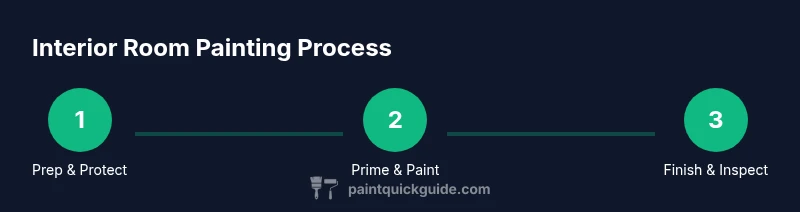
If you’re wondering what to do when painting a room, start with thorough planning, masking, and choosing the right paint and finish. Protect floors and furniture, repair surface flaws, and work in sections to ensure even coverage. By following a clear, step-by-step process, you’ll minimize splatter, achieve smooth results, and reduce rework. According to PaintQuickGuide, success hinges on surface prep, proper tools, and patient drying times.
Prep and planning
What to do when painting a room begins long before the first stroke of color. Start with a clear plan: measure the space, estimate how much paint you’ll need, and decide on color schemes that fit the room’s lighting and furniture. This planning phase reduces last-minute trips to the store and helps you avoid color mismatches. Create a simple room map, record paint quantities, and lay out a calendar for each coat. In short, thoughtful preparation saves time and money, and sets you up for a successful finish.
Room evaluation and color strategy
Evaluate each wall for imperfections and note any repairs needed before you buy supplies. If a wall has stains, water damage, or glossy paint, you’ll likely need a primer to achieve an even finish. Consider the room’s natural light: north-facing rooms can look cooler, while south-facing rooms warm up the color. Choose a base color and an accent palette that complements the furniture and flooring. Test color swatches on large patches of wall and observe them at different times of day to avoid color surprises.
Choosing paints and finishes
Select high-quality interior latex or acrylic paints for ease of cleanup and odor control. For most living spaces, a washable, mid-sheen finish like eggshell or satin offers durability and a smooth look without too much glare. In kitchens and bathrooms, opt for a higher-sheen finish for moisture resistance, while bedrooms can tolerate a softer matte look if you prefer lower reflectivity. Always check the manufacturer’s recommendations for dry time, coverage, and compatibility with previous coatings.
Surface prep and repair
Effective painting starts with a sound surface. Fill holes and cracks with appropriate filler, and sand smooth once dry. Remove peeling paint, clean surfaces with mild soap and water, and wipe away dust. For glossy surfaces, scuff with light sanding to improve adhesion. A clean, repaired surface reduces the risk of peeling and helps color uniformity across walls. If you spot mold or dampness, address moisture problems before painting.
Pro tip: wipe down walls with a damp microfiber cloth to remove fingerprints and residues that may affect topcoat adhesion.
Masking, protection, and cleanup
Mask edges around trim, windows, and outlets using painter’s tape. Cover floors with drop cloths or plastic sheeting, and remove or protect furniture. Keep a dedicated cleanup kit nearby: rags, mineral spirits for brushes, and a waste bin. Proper masking saves time by reducing touchups and avoids accidental stains on floors and hardware. When your project is complete, carefully remove tape to prevent peeling freshly painted edges.
Priming considerations
Priming is essential on bare walls, stained surfaces, or when changing from a dark to a light color. A good primer improves stain coverage, enhances adhesion, and helps the topcoat look uniform. Choose a primer compatible with your topcoat and the wall material. Allow primer to dry fully before applying the first color coat. If you’re painting over existing paint that’s in decent condition, a bonding primer can improve adhesion without adding a full coat of primer.
Cutting in and rolling technique
Begin by “cutting in”: use a high-quality angled brush to paint a clean line along ceilings, corners, and edges where rollers can’t reach. Next, load your roller evenly, and roll in a W pattern to distribute paint, then fill the gaps with long, smooth passes. Work in 3–4 foot sections to maintain a wet edge and avoid lap marks. Rotate walls as you work to keep a consistent finish. Avoid overloading the roller to minimize drips and spatters.
Coats, drying, and recoat timing
Two coats are usually necessary for rich color and uniform coverage; allow ample drying time between coats as specified by the paint manufacturer. Temperature and humidity influence drying; a room temperature of around 65–75°F (18–24°C) with low humidity accelerates curing. Inspect walls after the first coat and plan touchups or additional coats in high-traffic areas. When the final coat is dry, remove masking carefully and perform a final inspection for blemishes that need touching up.
Final inspection, cleanup, and maintenance
Do a thorough walk-through to check for missed spots, drips, or uneven texture. Touch up as needed, then clean brushes, rollers, and trays according to the paint type. Store leftover paint for future touch-ups and label color names and finish. Reinstall hardware, move furniture back into place, and wipe down any surfaces that gathered dust during painting. A well-cleaned, properly stored kit reduces waste and keeps your workspace organized.
Tools & Materials
- Painter's tape(3M or similar brand; use 1.5–2.0 inch width for trim edges)
- Drop cloths / plastic sheeting(Quality drop cloths to cover floors; use multiple layers for high-traffic rooms)
- Angled paint brushes(2-inch or 2.5-inch for precise cutting in along ceilings and corners)
- Rollers (4-inch and 9-inch)(Synthetic rollers ideal for latex paint; use a roller frame and extension pole)
- Paint trays and liners(One tray per color; liners minimize cleanup)
- Sandpaper (120–150 grit)(Lightly scuff glossy areas for better adhesion)
- Putty knife and filler(Fill holes and cracks; match filler to wall texture)
- Primer (if needed)(Bonding primer for glossy surfaces or dramatic color changes)
- Paint(Choose color and finish; matte, eggshell, satin depending on room)
- Stir sticks(Mix color thoroughly before use)
- Ladder or step stool(Safe, sturdy ladder for ceiling edges)
- Respirator or mask, gloves, safety goggles(Protects lungs and skin; follow supplier guidelines)
- Rags and cleaning solution(Keep a wet rag handy for quick corrections)
Steps
Estimated time: Estimated total time: 4-8 hours
- 1
Clear room and protect surfaces
Move furniture to the center of the room or out of the space. Cover floors and large items with drop cloths, and remove wall decor. Ensure pathways are clear for easy movement, and keep a cleanup kit nearby.
Tip: Pro tip: take photos of your layout before moving items to make reassembly easier. - 2
Ventilate workspace
Open windows for airflow and run a fan to reduce paint fumes. If natural ventilation is limited, use a portable fan to direct fumes toward an open window. Keep pets and kids away from the area during painting.
Tip: Pro tip: wear a mask designed for paint fumes and keep the room well-ventilated during coats. - 3
Clean and repair walls
Wipe walls with a damp cloth to remove dust and oils. Fill dings and cracks with filler and allow to dry, then sand until smooth. Dust and wipe again to ensure a clean surface before priming or painting.
Tip: Pro tip: use a sanding block to achieve an even, dust-free finish. - 4
Sand glossy surfaces
Lightly sand glossy areas to improve adhesion, then wipe away dust. If repainting a dark color, consider light scuffing on all walls to ensure uniform coverage. Avoid excessive sanding that could alter wall texture.
Tip: Pro tip: wear a mask during sanding to avoid inhaling drywall dust. - 5
Tape edges carefully
Apply painter’s tape along trim lines, windows, and outlets. Press the tape firmly to prevent paint bleed. Remove tape slowly after the final coat while the paint is still slightly tacky.
Tip: Pro tip: line up the tape with the edge you want to protect and burnish with a finger for adhesion. - 6
Prime bare or stained areas
Prime any new drywall, bare wood, or deep stains to prevent bleeding and to improve color evenness. Allow primer to dry according to manufacturer guidance before applying color.
Tip: Pro tip: use a bonding primer on slick surfaces for better topcoat adhesion. - 7
Cut in around edges
Use an angled brush to paint along ceilings, corners, and trim. Maintain a steady hand and create a thin, even line. Overlap slightly with the roller areas to reduce visible transitions.
Tip: Pro tip: load the brush evenly and avoid overloading with paint to prevent drips. - 8
Roll walls in sections
Start rolling in a 'W' pattern, then fill in with even horizontal strokes. Work from top to bottom in manageable sections. Reload the roller as needed to maintain an even coat.
Tip: Pro tip: keep a wet edge to prevent lap marks; don’t stop in the middle of a wall. - 9
Coats, drying, and final touch-ups
Apply a second coat if necessary and allow sufficient drying time. Inspect for missed spots and touch up as needed. Remove painter’s tape, clean brushes, and reassemble the room once the paint is fully cured.
Tip: Pro tip: note color after the final coat in natural light for accuracy.
Your Questions Answered
What is the first step to take before painting a room?
Clear the space, remove obstacles, and cover floors and furniture. Gather tools and paint in advance to minimize trips to the supply closet. This upfront prep prevents delays and helps you achieve a cleaner finish.
Start by clearing the room, protecting surfaces, and gathering your supplies to prevent interruptions.
Should I prime walls before painting?
Priming improves adhesion, hides stains, and ensures even color. Use a bonding primer on glossy surfaces or when switching from dark to light tones. Allow primer to dry fully before applying paint.
Yes. Priming helps the color look even and last longer, especially on glossy or stained walls.
Which finish is best for high-traffic rooms?
Eggshell or satin finishes balance durability, washability, and light reflectivity. They resist scuffs without too much glare. For bathrooms or kitchens, consider a higher-sheen finish for moisture resistance.
For busy rooms, eggshell or satin finishes work well and clean up easily.
How do I avoid lap marks when rolling?
Maintain a wet edge by rolling continuously in sections and reload the roller evenly. Work from top to bottom and overlap strokes slightly to blend edges. Do not stop mid-wall if possible.
Keep a wet edge and roll steadily to avoid visible lines.
Can I paint over wallpaper?
Yes, but prepare properly: ensure wallpaper is secure, remove any peeling sections, and prime with a suitable primer. Expect longer drying times and potential texture changes depending on wallpaper type.
You can paint over wallpaper with caution—make sure it’s secure and properly primed.
Watch Video
Quick Summary
- Plan room-by-room to streamline the project.
- Prep surfaces thoroughly for durable adhesion.
- Mask edges and protect floors to reduce cleanup.
- Choose the right finish for each room and color change.
- Allow proper drying time between coats for a flawless look.